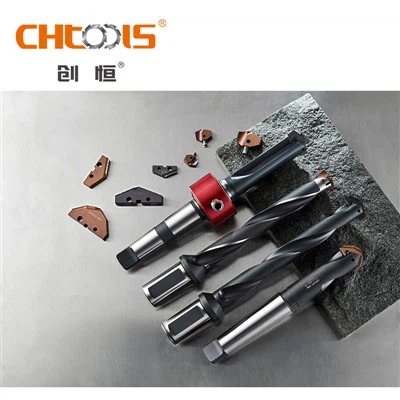
As a supplier of TCT (Tungsten Carbide Tipped) annular cutters, I've witnessed firsthand the critical role these tools play in various industries. TCT annular cutters are renowned for their efficiency, precision, and durability. One of the most important aspects of these cutters is their impact resistance, which directly affects their performance and lifespan. In this blog, we'll delve into what impact resistance means for TCT annular cutters, why it matters, and how it can influence your cutting operations.


Understanding Impact Resistance
Impact resistance refers to the ability of a TCT annular cutter to withstand sudden, high - force impacts without breaking or suffering significant damage. When a cutter is used in a drilling operation, it is often subjected to shock loads, especially when starting a cut, encountering hard materials, or dealing with uneven surfaces. A cutter with high impact resistance can absorb these shocks and continue to function effectively.
The impact resistance of a TCT annular cutter is determined by several factors. First and foremost is the quality of the tungsten carbide tips. Tungsten carbide is a hard and brittle material, but when properly formulated and bonded to the cutter body, it can provide excellent impact resistance. The manufacturing process also plays a crucial role. High - quality cutters are made using advanced techniques that ensure a strong bond between the carbide tips and the steel body, reducing the risk of tip detachment during impact.
Why Impact Resistance Matters
1. Tool Longevity
A TCT annular cutter with good impact resistance will last longer. When a cutter can withstand impacts, it is less likely to experience premature wear or breakage. This means fewer tool replacements, which can save both time and money in the long run. For example, in a large - scale construction project where hundreds of holes need to be drilled, a cutter with high impact resistance can complete the job without frequent interruptions for tool changes.
2. Cutting Performance
Impact resistance directly affects the cutting performance of the TCT annular cutter. A cutter that can handle impacts well is more likely to maintain its cutting edge. This results in cleaner, more precise cuts. In applications where accuracy is crucial, such as in the aerospace or automotive industries, a cutter with high impact resistance can ensure that the drilled holes meet the required specifications.
3. Cost - Effectiveness
While TCT annular cutters with high impact resistance may have a higher upfront cost, they are often more cost - effective in the long term. Since they last longer and perform better, the overall cost per hole drilled is reduced. This makes them a smart investment for businesses that rely on drilling operations.
Factors Affecting Impact Resistance
1. Carbide Grade
The grade of tungsten carbide used in the cutter significantly affects its impact resistance. Different carbide grades have different properties, such as hardness, toughness, and wear resistance. For applications where high impact resistance is required, a carbide grade with a good balance of hardness and toughness is typically chosen.
2. Cutter Design
The design of the TCT annular cutter also plays a role in its impact resistance. Cutters with a well - designed flute geometry can help to dissipate the impact forces more effectively. Additionally, the shape and size of the carbide tips can influence how they handle impacts. For example, larger tips may be more resistant to impacts but may also increase the cost of the cutter.
3. Operating Conditions
The operating conditions under which the cutter is used can have a major impact on its impact resistance. For instance, drilling in hard materials such as stainless steel or cast iron will subject the cutter to higher impact forces compared to drilling in softer materials like aluminum. Similarly, high - speed drilling or drilling at an improper angle can also increase the impact on the cutter.
Testing Impact Resistance
To ensure that our TCT annular cutters meet the highest standards of impact resistance, we conduct rigorous testing. One common test method is the drop test, where the cutter is dropped from a certain height onto a hard surface. The cutter is then inspected for any signs of damage, such as tip breakage or chipping. Another test is the dynamic impact test, which simulates the actual cutting conditions and measures the cutter's ability to withstand repeated impacts.
Our Product Range
We offer a wide range of TCT annular cutters with excellent impact resistance. Our Carbide Annular Cutter Set is designed for various applications, from general construction to precision engineering. The set includes cutters of different sizes and geometries, ensuring that you can find the right tool for your specific needs.
Our Carbide Tipped Annular Cutter with Universal Shank is another popular product. It features a universal shank that can be used with a variety of drilling machines, providing flexibility and convenience. The cutter's high - quality carbide tips and robust design make it highly resistant to impacts.
If you're looking for a single - piece solution, our Carbide Annular Cutter Drill Bit is an excellent choice. It offers a combination of high impact resistance and cutting performance, making it suitable for demanding applications.
Conclusion
Impact resistance is a critical factor in the performance and durability of TCT annular cutters. A cutter with high impact resistance can provide longer tool life, better cutting performance, and cost - effectiveness. At our company, we are committed to providing high - quality TCT annular cutters that meet the highest standards of impact resistance. Whether you're in the construction, manufacturing, or any other industry that requires drilling operations, our products can help you achieve better results.
If you're interested in learning more about our TCT annular cutters or would like to discuss your specific requirements, we encourage you to contact us. We're here to help you find the right cutting solution for your needs.
References
- "Handbook of Machining with Cutting Tools" by Yoram Koren
- "Manufacturing Engineering and Technology" by Serope Kalpakjian and Steven Schmid