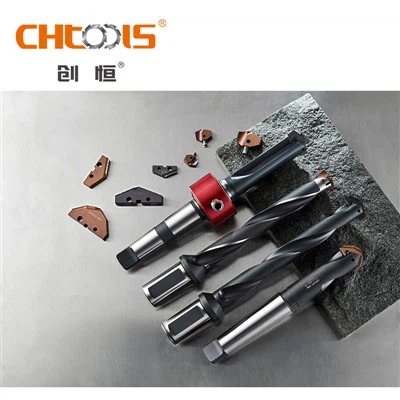
Hey there! As a supplier of Spiral Taps, I've witnessed firsthand the fascinating journey of these tools through their updates and improvements. In this blog, I'm gonna take you through the update history of Spiral Taps, sharing how they've evolved over time to meet the ever - changing needs of various industries.
Early Days of Spiral Taps
Back in the day, Spiral Taps were a revolutionary invention. They were designed to address a common problem in threading operations: chip evacuation. Traditional taps often struggled to clear chips from the hole, which could lead to poor thread quality, tool breakage, and slower machining speeds. The spiral design of these taps was a game - changer. It allowed the chips to be lifted out of the hole as the tap turned, making the threading process much smoother.
The first Spiral Taps were relatively simple in design. They had a basic spiral flute pattern that was cut into the tap body. These early models were made from high - speed steel (HSS), which was a popular material at the time due to its good balance of hardness and toughness. However, they had their limitations. The HSS material would wear out relatively quickly, especially when used in high - volume production or with hard materials.
First Major Updates
As industries started to demand more from their threading tools, the first major updates to Spiral Taps came about. One of the significant improvements was the introduction of carbide - tipped Spiral Taps. Carbide is much harder than HSS, which means these taps could last much longer, even when cutting through tough materials like stainless steel and titanium.
The flute design also saw some improvements. Engineers started to experiment with different flute geometries to optimize chip evacuation. For example, some taps were designed with variable pitch flutes. This meant that the distance between the flutes changed along the length of the tap. The variable pitch helped to break up the chips into smaller pieces, making them easier to remove from the hole.
Another important update was the development of coatings for Spiral Taps. Coatings like titanium nitride (TiN) were applied to the tap surface. These coatings reduced friction between the tap and the workpiece, which not only extended the tap's lifespan but also improved the quality of the threads. The TiN coating gave the taps a golden color, and it became a common sight in machining shops.
Advancements in Precision and Customization
With the advancement of manufacturing technologies, Spiral Taps became more precise. Computer - numerical - control (CNC) machining allowed for more accurate flute cutting and tap body shaping. This precision led to better thread quality and more consistent performance.
Customization also became a big thing. Different industries had different requirements for their threading operations. For example, the automotive industry needed taps that could create threads in engine blocks with high precision. Our company, as a Spiral Tap supplier, started to offer custom - made Spiral Taps. We could adjust the tap's size, flute design, and coating according to the customer's specific needs.
One of the popular custom options was the M4 Spiral Flute Tap. It was designed for creating M4 threads, which are commonly used in small - scale mechanical assemblies. The M4 tap had a specific flute geometry that was optimized for chip evacuation in materials like aluminum and brass.
Modern - Day Spiral Taps
In recent years, Spiral Taps have continued to evolve. New materials and manufacturing techniques have been introduced to make them even better. For example, some Spiral Taps are now made from advanced high - performance steels that offer improved wear resistance and toughness.
The use of nanotechnology in tap coatings has also become more common. Nanocoatings can provide even better protection against wear and friction. They are extremely thin but very hard, which allows the taps to maintain their cutting edge for a longer time.
Another trend is the integration of smart features in Spiral Taps. Some taps are now equipped with sensors that can monitor the cutting process. These sensors can detect issues like excessive vibration or wear, and send alerts to the operator. This helps to prevent tool breakage and improve the overall efficiency of the threading operation.
The Spiral Tap we offer today is a far cry from the early models. It combines the latest in materials, design, and technology to provide a high - performance threading solution for a wide range of applications.
Specific Updates in Small - Sized Taps
Let's talk a bit about the updates in small - sized Spiral Taps, like the M3 Spiral Flute Tap. These taps are used in applications where precision is crucial, such as in the electronics industry.
In the past, M3 Spiral Taps were often made with a standard flute design. However, as the demand for smaller and more precise components increased, the flute design of M3 taps was refined. The flutes were made shallower and more closely spaced to ensure better chip control in small holes.
The materials used for M3 Spiral Taps have also improved. We now use high - grade HSS or carbide for these taps, which allows them to cut through materials like copper and plastics with ease. The coatings on M3 taps have also been enhanced to reduce friction and improve surface finish.
Future Outlook
Looking ahead, I believe that Spiral Taps will continue to evolve. We can expect to see more advancements in materials, such as the use of new alloys that offer even better performance. The integration of artificial intelligence (AI) in tap design and operation is also a possibility. AI could be used to optimize the cutting parameters in real - time, based on the material being cut and the threading requirements.
As a Spiral Tap supplier, we're committed to staying at the forefront of these developments. We're constantly researching and developing new products to meet the changing needs of our customers.

Contact Us for Purchasing
If you're in the market for Spiral Taps, whether it's the M4 Spiral Flute Tap, Spiral Tap, or M3 Spiral Flute Tap, we'd love to hear from you. We can provide you with detailed information about our products and help you choose the right tap for your specific application. Don't hesitate to reach out and start a conversation about your threading needs.
References
- "Machining Handbook" by Industrial Press Inc.
- "Cutting Tool Engineering" magazine articles on tap technology.
- Research papers on advanced materials for cutting tools.