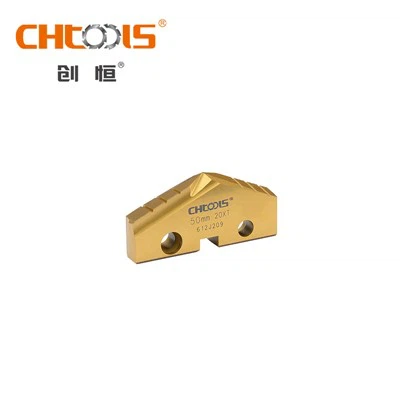
What is the cutting angle range of a solid rail cutter?
As a supplier of solid rail cutters, I often receive inquiries from customers about the cutting angle range of these tools. Understanding the appropriate cutting angle range is crucial for achieving optimal performance and ensuring the longevity of the solid rail cutter. In this blog post, I will delve into the factors that influence the cutting angle range and provide some insights based on our experience in the industry.
Factors Influencing the Cutting Angle Range
The cutting angle of a solid rail cutter refers to the angle between the cutting edge of the tool and the workpiece surface. Several factors can influence the ideal cutting angle range, including the material being cut, the type of solid rail cutter, and the cutting conditions.
Material Being Cut
Different materials have different properties, such as hardness, toughness, and ductility. These properties can affect the cutting angle required for efficient and effective cutting. For example, when cutting hard materials like high - strength steel rails, a larger cutting angle may be necessary to prevent excessive wear on the cutting edge. On the other hand, softer materials may require a smaller cutting angle to achieve a smooth cut.
Type of Solid Rail Cutter
There are different types of solid rail cutters available in the market, such as the HSS Integral Type Solid Rail Cutter and the HSS Split Type Solid Rail Cutter. Each type has its own design characteristics and is suitable for different applications. The design of the cutter can also influence the optimal cutting angle range. For instance, integral type cutters may have a different cutting angle requirement compared to split - type cutters due to their structural differences.
Cutting Conditions
The cutting conditions, including the cutting speed, feed rate, and coolant usage, can also impact the cutting angle range. Higher cutting speeds may require a different cutting angle to maintain the cutting edge's integrity and prevent overheating. Similarly, the feed rate affects the force applied to the cutting edge, and the appropriate cutting angle needs to be adjusted accordingly. Coolant can help reduce friction and heat, allowing for more flexibility in the cutting angle selection.
Typical Cutting Angle Ranges
In general, for solid rail cutters used in rail cutting applications, the cutting angle range can vary from 15° to 30°. However, this is a broad range, and the specific angle depends on the factors mentioned above.
For softer rail materials, such as mild steel, a cutting angle in the range of 15° - 20° is often suitable. This relatively small angle allows for a smooth cut and reduces the risk of chipping on the cutting edge. The cutter can easily penetrate the material, and the chips can be removed efficiently.
When dealing with harder rail materials, like high - manganese steel, a cutting angle of 20° - 30° may be more appropriate. A larger cutting angle provides more support to the cutting edge, preventing it from being damaged by the hard material. It also helps in dissipating the cutting forces over a larger area, reducing the stress on the cutter.
Importance of Correct Cutting Angle
Using the correct cutting angle is of utmost importance for several reasons. Firstly, it directly affects the cutting performance. An appropriate cutting angle ensures that the cutter can cut through the rail material with minimal resistance, resulting in a faster and more efficient cutting process. This can save time and increase productivity, especially in large - scale rail cutting projects.


Secondly, the correct cutting angle helps to extend the lifespan of the solid rail cutter. When the cutting angle is optimized, the wear on the cutting edge is reduced. This means that the cutter can be used for a longer period before it needs to be replaced, reducing the overall cost of cutting operations.
Finally, a proper cutting angle also contributes to the quality of the cut. A well - chosen cutting angle can result in a smooth and clean cut surface, which is essential for applications where the rail needs to be joined or installed precisely.
Selecting the Right Cutting Angle
To select the right cutting angle for a solid rail cutter, it is essential to consider the material of the rail, the type of cutter, and the cutting conditions. Conducting a test cut on a sample piece of the rail material can be a useful way to determine the optimal cutting angle. By observing the cutting performance, such as the chip formation, cutting force, and surface finish, you can adjust the cutting angle accordingly.
It is also advisable to consult with the cutter manufacturer or a technical expert in the field. They can provide valuable insights based on their experience and knowledge of different rail materials and cutter types. Additionally, they can offer guidance on how to adjust the cutting angle based on the specific cutting conditions.
Conclusion
In conclusion, the cutting angle range of a solid rail cutter is influenced by multiple factors, including the material being cut, the type of cutter, and the cutting conditions. The typical cutting angle range for solid rail cutters used in rail cutting applications is between 15° and 30°, but the specific angle needs to be determined based on the actual situation. Using the correct cutting angle is crucial for achieving optimal cutting performance, extending the cutter's lifespan, and ensuring the quality of the cut.
If you are in the market for solid rail cutters and need more information about the cutting angle or other aspects of our products, we are here to assist you. We have a wide range of high - quality solid rail cutters, including the HSS Integral Type Solid Rail Cutter and the HSS Split Type Solid Rail Cutter. Contact us to start a discussion about your specific requirements and how our products can meet your needs.
References
- "Cutting Tool Engineering Handbook", Industrial Press Inc.
- "Manufacturing Processes for Engineering Materials", S. Kalpakjian and S. R. Schmid.