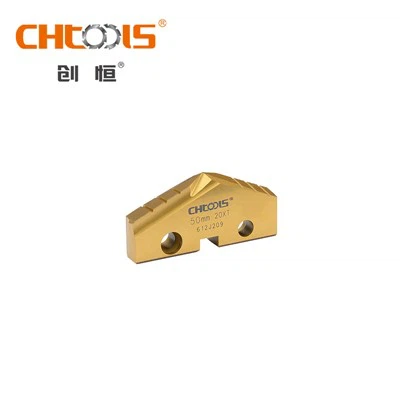
Hey there, folks! As a spade drill supplier, I've seen firsthand how these tools can revolutionize your drilling operations. But like any tool, the spade drill's effectiveness depends a lot on how you use it. In this blog, I'm gonna share some tips on how to optimize the use of a spade drill.
First things first, let's talk about what a spade drill is. It's a type of drill bit that has a flat, spade - shaped cutting edge. These drills are great for making large - diameter holes quickly and efficiently. They're commonly used in woodworking, metalworking, and other industrial applications.
Choosing the Right Spade Drill
The first step in optimizing the use of a spade drill is to choose the right one for the job. You need to consider the material you're drilling into, the diameter of the hole you need, and the type of equipment you're using.
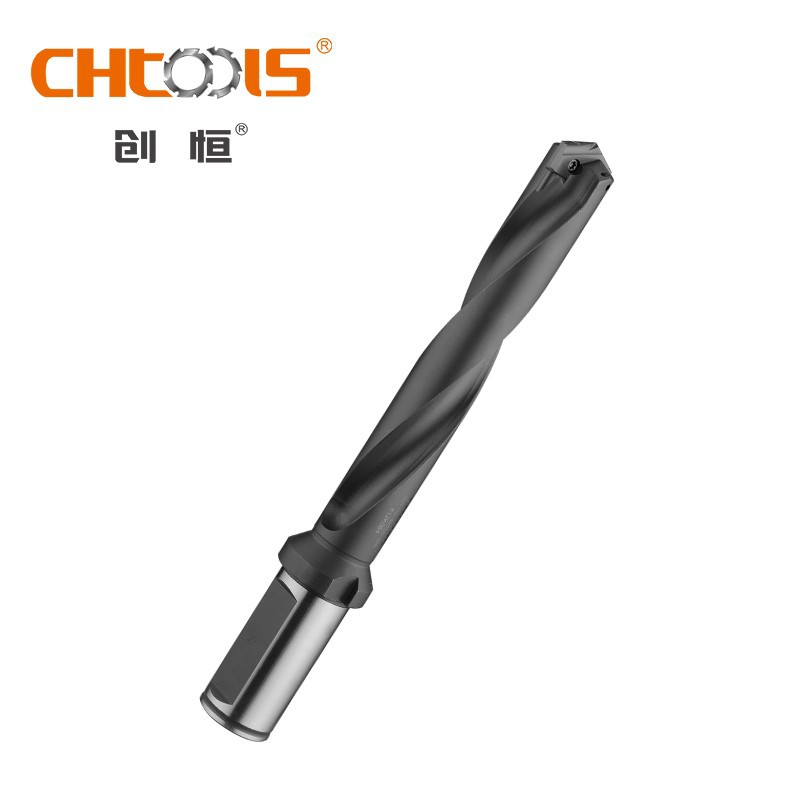
If you're working with wood, a standard spade drill will usually do the trick. But for metal, you'll want to look into Indexable Drill Bit or Carbide Insert Drill Bit. These types of drills are designed to handle the hardness of metal and provide a cleaner cut.
The diameter of the hole is also crucial. Spade drills come in various sizes, so make sure you pick one that matches the size of the hole you need. Using a drill that's too small or too large can lead to poor results and even damage to your workpiece.
Preparing the Workpiece
Before you start drilling, it's important to prepare the workpiece properly. This means marking the spot where you want to drill and making sure the surface is clean and flat.
If you're drilling into wood, you can use a pencil or a marking gauge to mark the center of the hole. For metal, you might want to use a center punch to create a small indentation. This helps the drill bit start in the right place and prevents it from wandering.
Another important aspect of workpiece preparation is clamping. Make sure the workpiece is securely clamped to your workbench or machine. This will prevent it from moving during the drilling process, which can lead to inaccurate holes and potential safety hazards.
Setting the Right Speed and Feed
The speed and feed rate of your drill are key factors in optimizing its performance. The speed refers to how fast the drill bit rotates, and the feed rate is how quickly the drill bit moves into the workpiece.
For wood, a relatively high speed and medium feed rate usually work well. But for metal, you'll need to slow down the speed and reduce the feed rate. This is because metal is harder and more difficult to cut through. If you go too fast, you can overheat the drill bit and cause it to dull quickly.
Most drill presses and machines have speed adjustment settings. You can refer to the manufacturer's guidelines for the recommended speed and feed rates based on the material and drill bit size.
Using Coolant
When drilling metal, using a coolant is essential. Coolant helps to reduce friction and heat, which can extend the life of your drill bit and improve the quality of the hole.
There are different types of coolants available, such as water - based coolants and oil - based coolants. Water - based coolants are more environmentally friendly and are suitable for most applications. Oil - based coolants provide better lubrication and are often used for more demanding drilling jobs.
You can apply the coolant directly to the drill bit and the workpiece during the drilling process. Some drill presses even have built - in coolant systems that can automatically spray the coolant.

Maintaining the Spade Drill
Proper maintenance of your spade drill is crucial for its long - term performance. After each use, clean the drill bit thoroughly to remove any debris or chips. You can use a wire brush or a cleaning solution to do this.
Inspect the drill bit regularly for signs of wear or damage. If the cutting edge is dull or chipped, it's time to replace it. A dull drill bit will not only make the drilling process more difficult but can also cause damage to the workpiece.
Sharpening the drill bit is also an important part of maintenance. You can use a sharpening stone or a drill bit sharpener to restore the cutting edge. Make sure to follow the correct sharpening angle and technique to ensure optimal performance.
Safety First
Safety should always be your top priority when using a spade drill. Wear appropriate safety gear, such as safety glasses, gloves, and ear protection. Make sure your work area is well - lit and free of clutter.
Keep your hands and fingers away from the drill bit while it's rotating. If you need to adjust the workpiece or the drill, turn off the machine first.
Advanced Techniques
Once you've mastered the basics, there are some advanced techniques you can try to further optimize the use of your spade drill.
One technique is peck drilling. This involves drilling a short distance, then retracting the drill bit to clear the chips. Peck drilling is especially useful when drilling deep holes, as it helps to prevent the chips from clogging the drill bit and overheating.
Another technique is using a pilot hole. A pilot hole is a small hole that you drill first before using the spade drill. This helps to guide the spade drill and ensures a more accurate hole.
Conclusion
Optimizing the use of a spade drill can significantly improve your drilling efficiency and the quality of your work. By choosing the right drill, preparing the workpiece properly, setting the right speed and feed, using coolant, maintaining the drill, and following safety procedures, you can get the most out of your spade drill.
If you're in the market for high - quality spade drills, whether it's Indexable Drill, Indexable Drill Bit, or Carbide Insert Drill Bit, I'm here to help. I've got a wide range of spade drills that are designed to meet your specific needs. If you're interested in learning more or making a purchase, don't hesitate to reach out. Let's have a chat about how we can optimize your drilling operations together.
References
- Woodworking Handbook: Covers basic and advanced woodworking techniques, including the use of spade drills.
- Metalworking Guide: Provides in - depth information on drilling metal, including speed and feed rates.
- Drill Bit Manufacturer's Manuals: Offer detailed instructions on the use and maintenance of spade drills.