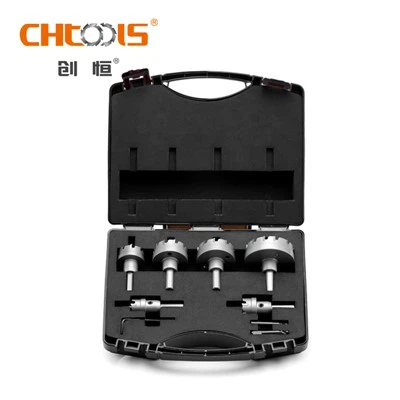
Hey there, fellow machining enthusiasts! I'm a supplier of Indexable Drills, and I know how crucial it is to control the hole diameter tolerance when using these awesome tools. In this blog post, I'm gonna share some tips and tricks that'll help you achieve precise hole diameters every time.
Understanding the Basics of Indexable Drills
First things first, let's talk a bit about Indexable Drills. They're pretty cool because they have replaceable cutting inserts. Instead of having to replace the whole drill bit when it gets dull, you can just swap out the insert. This not only saves you money but also makes the whole drilling process more efficient.
If you're interested in learning more about different types of drill bits, you can check out our Carbide Insert Drill Bit and Indexable Drill Bit pages. These pages have all the details about the features and benefits of these drill bits.
Factors Affecting Hole Diameter Tolerance
There are several factors that can affect the hole diameter tolerance when using an Indexable Drill. Let's take a look at some of the most important ones.
1. Drill Bit Geometry
The geometry of the drill bit plays a huge role in determining the hole diameter. The point angle, helix angle, and flute design all impact how the drill bit cuts through the material. For example, a larger point angle can help reduce the thrust force, but it might also lead to a larger hole diameter. On the other hand, a smaller point angle can give you a more precise hole, but it might require more power to drill.
2. Cutting Parameters
The cutting parameters, such as cutting speed, feed rate, and depth of cut, also have a significant impact on the hole diameter tolerance. If the cutting speed is too high, it can cause the drill bit to overheat and wear out quickly, which can lead to an oversized hole. Similarly, if the feed rate is too high, it can cause the drill bit to deflect, resulting in an inaccurate hole diameter.
3. Workpiece Material
The type of workpiece material you're drilling into can also affect the hole diameter tolerance. Different materials have different hardness, toughness, and machinability. For example, drilling into a hard material like stainless steel might require a different set of cutting parameters compared to drilling into a softer material like aluminum.
4. Machine Tool Rigidity
The rigidity of the machine tool is another important factor. If the machine tool is not rigid enough, it can cause vibrations during the drilling process, which can lead to an inaccurate hole diameter. Make sure your machine tool is properly maintained and calibrated to ensure maximum rigidity.
Tips for Controlling Hole Diameter Tolerance
Now that we know the factors that can affect the hole diameter tolerance, let's talk about some tips for controlling it.
1. Choose the Right Drill Bit
Selecting the right drill bit for the job is crucial. Consider the workpiece material, hole diameter, and depth of cut when choosing a drill bit. Make sure the drill bit has the appropriate geometry and cutting edge design for the specific application. You can find a wide range of Insert Drill options on our website that are designed to meet different machining needs.
2. Optimize Cutting Parameters
Experiment with different cutting parameters to find the optimal settings for your specific application. Start with the recommended cutting speeds and feed rates provided by the drill bit manufacturer, and then make adjustments based on the actual machining conditions. Keep in mind that the cutting parameters may need to be adjusted depending on the workpiece material, drill bit geometry, and machine tool capabilities.
3. Use Proper Coolant
Using a proper coolant can help reduce heat and friction during the drilling process, which can improve the hole diameter tolerance. Coolant also helps to flush away chips from the cutting zone, preventing them from causing damage to the drill bit and the workpiece. Make sure to use the right type of coolant for the specific workpiece material and drilling operation.
4. Check and Maintain the Drill Bit
Regularly check the drill bit for wear and damage. If the cutting edges are worn or chipped, replace the insert immediately. A dull drill bit can cause the hole diameter to be larger than the desired size. Also, make sure to clean the drill bit after each use to remove any chips or debris that may have accumulated on the cutting edges.
5. Monitor the Drilling Process
Keep an eye on the drilling process to detect any signs of problems. Look for vibrations, excessive noise, or changes in the cutting force. If you notice any issues, stop the drilling process immediately and investigate the cause. This can help prevent further damage to the drill bit and the workpiece.
Case Study: Achieving Precise Hole Diameters
Let's take a look at a real-life example of how these tips can be applied to achieve precise hole diameters. A customer came to us with a problem of inconsistent hole diameters when drilling into a stainless steel workpiece. After analyzing the situation, we recommended using our Indexable Drill Bit with a specific point angle and helix angle that were suitable for stainless steel. We also adjusted the cutting parameters to optimize the drilling process.
By following these recommendations, the customer was able to achieve a significant improvement in the hole diameter tolerance. The holes were now within the desired tolerance range, and the overall quality of the machining process was greatly improved.
Conclusion
Controlling the hole diameter tolerance when using an Indexable Drill is not an easy task, but it's definitely achievable with the right knowledge and techniques. By understanding the factors that affect the hole diameter tolerance and following the tips outlined in this blog post, you can ensure that your drilling operations are precise and efficient.
If you're interested in learning more about our Indexable Drills or have any questions about hole diameter tolerance, feel free to reach out to us. We'd be more than happy to help you with your machining needs.
References
- "Machining Handbook" by Industrial Press Inc.
- "Cutting Tool Engineering" magazine
- Manufacturer's specifications for Indexable Drills