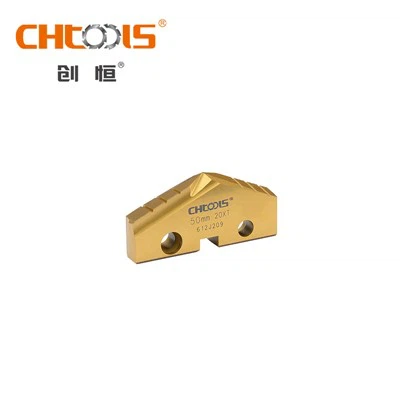
Hey there! As a supplier of HSS annular cutters, I've seen firsthand how different materials can have a huge impact on cutting speed. In this blog, I'm gonna break down how the cutting speed changes when using HSS annular cutters on various materials.
First off, let's talk about what HSS annular cutters are. HSS stands for High-Speed Steel, which is a type of tool steel known for its excellent heat resistance and durability. Annular cutters, also called core cutters, are designed to cut holes in metal and other materials. They have a hollow center, which allows for faster cutting and less material waste compared to traditional drill bits.
Now, let's dive into how cutting speed varies with different materials.
Mild Steel
Mild steel is one of the most common materials that HSS annular cutters are used on. It's relatively soft and easy to cut, which means you can typically use a higher cutting speed. For mild steel, a cutting speed of around 25 - 35 meters per minute (m/min) is often recommended. This speed allows for efficient cutting without putting too much stress on the cutter.
When using our HSS Annular Cutter Drill Bit on mild steel, you'll notice that the chips come out smoothly, and the cutting process is relatively quick. However, it's important to make sure you're using the right feed rate as well. A feed rate of about 0.1 - 0.2 millimeters per revolution (mm/rev) is a good starting point.
Stainless Steel
Stainless steel is a bit more challenging to cut than mild steel. It's harder and has a higher strength, which means you need to reduce the cutting speed to avoid overheating the cutter and causing premature wear. For stainless steel, a cutting speed of 10 - 20 m/min is usually a good range.
The Magnetic Drill Cutter we offer is well-suited for cutting stainless steel. Since stainless steel can be prone to work hardening, it's crucial to use a sharp cutter and a consistent feed rate. A feed rate of around 0.05 - 0.15 mm/rev is recommended. This slower speed and feed rate combination helps to maintain the integrity of the cutter and ensures a clean cut.
Cast Iron
Cast iron is another material that HSS annular cutters are commonly used on. It's brittle and has a different cutting behavior compared to steel. When cutting cast iron, a cutting speed of 15 - 25 m/min is often appropriate.
Our Hollow Core Cutters for Magnetic Base Drill work great on cast iron. The chips from cast iron are usually short and break easily. You'll want to use a feed rate of about 0.1 - 0.2 mm/rev. One thing to keep in mind with cast iron is that it can produce a lot of dust, so proper dust collection is important.
Aluminum
Aluminum is a soft and lightweight material, which means you can use a very high cutting speed. For aluminum, a cutting speed of 60 - 100 m/min is possible. The high cutting speed helps to prevent the aluminum from sticking to the cutter.
When using our HSS annular cutters on aluminum, you'll find that the cutting process is extremely fast. However, you need to be careful with the feed rate. A feed rate of 0.2 - 0.3 mm/rev is a good choice. This ensures that the cutter doesn't get overloaded and that the chips are removed efficiently.
Factors Affecting Cutting Speed
It's not just the material that affects the cutting speed. There are other factors to consider as well.
Cutter Geometry
The geometry of the HSS annular cutter plays a big role in cutting speed. Cutters with a sharp cutting edge and proper chip evacuation grooves can handle higher cutting speeds. Our cutters are designed with optimized geometries to ensure efficient cutting across different materials.
Machine Power
The power of the drilling machine also matters. A more powerful machine can handle higher cutting speeds and feed rates. If you have a low-power machine, you may need to reduce the cutting speed to avoid stalling the machine.
Coolant
Using coolant is essential for maintaining the cutting speed and the life of the cutter. Coolant helps to reduce heat and friction during the cutting process. For different materials, different types of coolant may be more suitable. For example, for steel, a water-soluble coolant is often used, while for aluminum, a light oil-based coolant may be better.


Why Choose Our HSS Annular Cutters
We've been in the business of supplying HSS annular cutters for a long time, and we know what it takes to make high-quality cutters. Our cutters are made from premium HSS materials, which ensures excellent durability and performance.
We offer a wide range of cutter sizes and styles to meet your specific needs. Whether you're cutting small holes or large ones, we've got you covered. Our cutters are also designed to be compatible with most magnetic drill machines on the market.
If you're looking for reliable and efficient HSS annular cutters, we're here to help. Whether you're a professional in the metalworking industry or a DIY enthusiast, our cutters can make your cutting jobs easier and more productive.
Contact Us for Procurement
If you're interested in purchasing our HSS annular cutters, we'd love to talk to you. We can provide you with detailed information about our products, including pricing, delivery times, and technical specifications. Just reach out to us, and our team will be happy to assist you in finding the right cutters for your projects.
References
- Machinery's Handbook, 31st Edition
- Cutting Tool Engineering Handbook