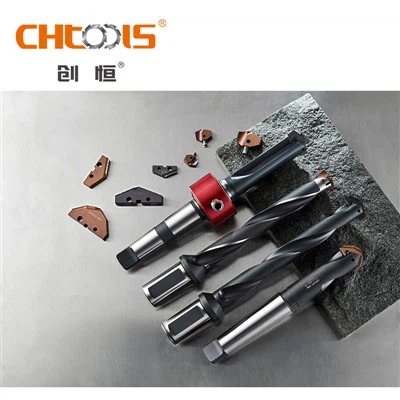
Hey there! I'm a supplier of countersinks, and today I'm gonna walk you through the different types of countersinks out there. Countersinks are super handy tools in various industries, from woodworking to metalworking. They're used to create a conical hole that allows the head of a screw or bolt to sit flush with or below the surface of the material. So, let's dive right in and explore these different types.
High-Speed Steel (HSS) Countersinks
HSS countersinks are one of the most common types you'll come across. High-speed steel is a type of tool steel known for its durability and ability to withstand high temperatures during cutting. These countersinks are great for general-purpose use, especially when working with softer metals like aluminum and brass, as well as wood and plastic.
One of the key advantages of HSS countersinks is their cost-effectiveness. They're relatively inexpensive compared to some other types, making them a popular choice for DIYers and small workshops. They can also be resharpened multiple times, which extends their lifespan and saves you money in the long run.
If you're in the market for an HSS countersink, you might want to check out our HSS Countersink Drill Bit for Metal. It's designed to provide clean and precise cuts in metal, and it comes in a variety of sizes to suit your needs.
Carbide Countersinks
Carbide countersinks are another type that you'll often see in professional settings. Carbide is a super-hard material made from tungsten carbide particles bonded together with a metal binder. This makes carbide countersinks extremely durable and resistant to wear, even when cutting through hard materials like stainless steel and cast iron.
Carbide countersinks can maintain their sharpness for a long time, which means you can make more cuts without having to stop and resharpen them. They also provide a smoother finish compared to HSS countersinks, which is important when you're working on projects that require a high level of precision.
However, carbide countersinks are more expensive than HSS ones. But if you're doing a lot of heavy-duty work or need to cut through tough materials on a regular basis, the investment is definitely worth it. Take a look at our Carbide Countersink Bit for a high-quality option that can handle the toughest jobs.
Adjustable Countersinks
Adjustable countersinks are a versatile option that allows you to change the diameter of the countersink hole. This is really useful when you're working with different sizes of screws or bolts and don't want to have to switch out multiple countersinks.
Most adjustable countersinks have a simple mechanism that lets you adjust the cutting diameter by turning a screw or knob. This makes them a great choice for jobs where you need to be flexible and adapt to different requirements quickly.
One thing to keep in mind with adjustable countersinks is that they might not be as precise as fixed-diameter countersinks. But for many applications, the convenience of being able to adjust the size outweighs the slight loss in precision.
Combination Countersinks
Combination countersinks are designed to perform multiple functions in one tool. For example, some combination countersinks can drill a pilot hole and then countersink it all in one go. This saves you time and effort, especially when you're working on a large number of holes.
These countersinks are often used in woodworking and metalworking projects where you need to create holes for screws or bolts quickly and efficiently. They can also be a great option for DIYers who don't have a lot of tools or space in their workshop.
Center Countersinks
Center countersinks, also known as center drills, are used to create a small conical hole at the center of a workpiece. This hole acts as a guide for a drill bit, helping to ensure that the drill bit starts in the right place and doesn't wander off.
Center countersinks are commonly used in machining operations, such as turning and milling. They're also useful when you're drilling holes in hard materials, as the center hole helps to prevent the drill bit from slipping and damaging the workpiece.
Rose Countersinks
Rose countersinks have a unique design with multiple flutes that resemble the petals of a rose. These flutes help to remove chips and debris from the hole as you're cutting, which improves the cutting performance and reduces the risk of clogging.
Rose countersinks are often used in woodworking and metalworking applications where you need to create a clean and smooth countersink hole. They're also great for creating decorative effects, as the flutes can leave a distinctive pattern on the surface of the material.
Countersink Drill Bits for Metal
When it comes to working with metal, having the right countersink drill bit is crucial. Our Countersink Drill Bit for Metal is specifically designed to handle the challenges of cutting through metal.
These drill bits are made from high-quality materials and are engineered to provide precise and clean cuts. They come in a variety of sizes and angles to suit different metalworking applications, whether you're working on a small DIY project or a large industrial job.


So, there you have it - a rundown of the different types of countersinks. Each type has its own unique features and benefits, and the right one for you will depend on your specific needs and the materials you're working with.
If you're interested in purchasing any of our countersinks or have any questions about which type is best for your project, don't hesitate to reach out. We're here to help you find the perfect tool for the job. Whether you're a professional tradesperson or a DIY enthusiast, we've got the countersinks you need to get the job done right.
References
- ASM Handbook Committee. (2000). ASM Handbook Volume 16: Machining. ASM International.
- Black, J. T., & Kohser, R. A. (2008). DeGarmo's Materials and Processes in Manufacturing. Wiley.
- Groover, M. P. (2010). Fundamentals of Modern Manufacturing: Materials, Processes, and Systems. Wiley.