Hey there! As a supplier of TCT rail cutters, I often get asked about the vibration level of these bad boys during operation. So, I thought I'd take a deep dive into this topic and share what I know.


First off, let's talk about why vibration matters. When a TCT rail cutter is in use, vibration can have a bunch of impacts. For one, it can affect the quality of the cut. Excessive vibration might lead to an uneven cut, which is a big no - no in the railway industry where precision is key. It can also cause wear and tear on the cutter itself. The more it vibrates, the faster the components can break down, leading to more frequent replacements and higher costs. And let's not forget about the operator. High - level vibration can be uncomfortable and even dangerous for the person using the cutter, potentially causing long - term health issues like hand - arm vibration syndrome.
So, what exactly determines the vibration level of a TCT rail cutter during operation? Well, there are several factors at play.
1. Design and Build Quality
The way a TCT rail cutter is designed and built has a huge impact on its vibration level. A well - designed cutter will have a balanced structure. This means that the weight is evenly distributed around the cutting head and the body of the machine. When the weight is balanced, there's less chance of the cutter wobbling around during operation, which in turn reduces vibration.
For example, if the cutting teeth on the TCT blade are not evenly spaced or if the blade is not properly aligned with the motor shaft, it can cause the cutter to vibrate. At our company, we pay a lot of attention to these details. We use high - precision manufacturing techniques to ensure that every part of the cutter is made to exact specifications. This helps us keep the vibration levels as low as possible.
2. Cutting Parameters
The parameters you use when operating the TCT rail cutter also matter. The cutting speed, feed rate, and the depth of cut all affect the vibration level.
If you set the cutting speed too high, the cutter might start to chatter, which increases vibration. On the other hand, if the speed is too low, the cutter might not be able to cut through the rail efficiently, and this can also lead to more vibration. The same goes for the feed rate. If you push the cutter through the rail too quickly, it can cause the blade to bind and vibrate. And if you go too slowly, the cutter might overheat and start to vibrate as well.
The depth of cut is another important factor. If you try to cut too deep in one pass, the cutter will have to work harder, and this can result in higher vibration levels. It's usually better to make multiple shallow cuts rather than one deep cut.
3. Rail Material and Condition
The type of rail material and its condition can also influence the vibration level. Different types of rails have different hardness and density. For example, a harder rail will require more force to cut through, which can increase vibration.
The condition of the rail matters too. If the rail has surface irregularities, such as rust, dents, or cracks, the cutter will have a harder time cutting smoothly. These irregularities can cause the blade to bounce around, leading to more vibration.
Measuring Vibration Levels
Now, you might be wondering how we measure the vibration level of a TCT rail cutter. Well, there are special instruments called vibration meters. These meters can be attached to the cutter during operation to measure the amplitude and frequency of the vibration.
The amplitude is basically the size of the vibration. A higher amplitude means more intense vibration. The frequency, on the other hand, is how often the vibration occurs. Different frequencies can have different effects on the cutter and the operator.
In the industry, there are standards for acceptable vibration levels. These standards are set to ensure the safety of the operators and the quality of the cutting work. At our company, we test all our TCT rail cutters using these vibration meters to make sure they meet or exceed the industry standards.
Reducing Vibration
So, what can we do to reduce the vibration level of a TCT rail cutter? Here are some tips:
- Proper Maintenance: Regular maintenance is crucial. Keep the cutter clean and lubricated. Check the blade for wear and tear and replace it when necessary. A dull or damaged blade can cause more vibration.
- Operator Training: Make sure the operators are properly trained. They should know the right cutting parameters for different types of rails. This includes setting the correct cutting speed, feed rate, and depth of cut.
- Use Anti - Vibration Accessories: There are some accessories available that can help reduce vibration. For example, anti - vibration handles can be installed on the cutter. These handles are designed to absorb some of the vibration before it reaches the operator's hands.
Our TCT Rail Cutters
At our company, we're really proud of our TCT rail cutters. We've put a lot of effort into designing and manufacturing them to have low vibration levels. Our cutters are built with high - quality materials and advanced technology.
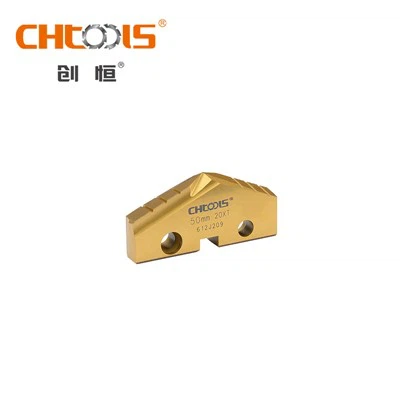
We offer a range of TCT rail cutters, including the Carbide Rail Cutter, the TCT Railway Drill Bit, and the Carbide Railway Hole Drill Bit. Each of these products is designed to provide a smooth and efficient cutting experience with minimal vibration.
If you're in the market for a TCT rail cutter, we'd love to talk to you. Whether you're a small railway maintenance company or a large construction firm, we can provide you with the right cutter for your needs. Our team of experts can also offer you advice on how to operate the cutter to keep the vibration levels low.
So, if you're interested in learning more about our TCT rail cutters or if you have any questions about vibration levels or anything else related to our products, don't hesitate to get in touch. We're here to help you make the best choice for your railway cutting needs.
References
- "Hand - Arm Vibration Syndrome: A Review" - Journal of Occupational and Environmental Medicine
- "Cutting Tool Technology and Applications" - Industrial Press Inc.
- Industry standards for vibration levels in railway cutting equipment.