When it comes to working with aluminum, using a step drill is a common and efficient choice for creating holes of various diameters. As a step drill supplier, I often receive inquiries from customers about the recommended speed when using a step drill on aluminum. In this blog post, I will delve into the factors that affect the optimal drilling speed and provide some practical guidelines to help you achieve the best results.
Understanding the Basics of Step Drills
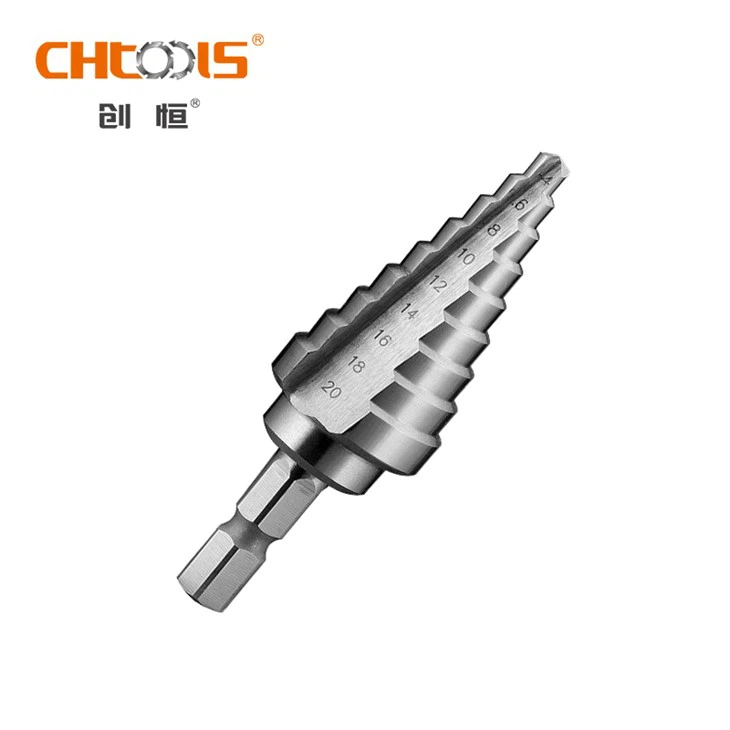
Before we discuss the recommended speed, let's first understand what a step drill is. A Step Drill Bit Set consists of a series of steps or levels, each with a different diameter. This design allows you to drill holes of multiple sizes without having to change bits, which is particularly useful for tasks such as creating holes for electrical conduits, plumbing fixtures, or mounting hardware.
Step drills are typically made from high-speed steel (HSS) or cobalt, which are known for their durability and ability to withstand high cutting temperatures. They are available in various sizes and configurations, including single-flute and multi-flute designs, to suit different applications.
Factors Affecting the Recommended Speed
The recommended speed for using a step drill on aluminum depends on several factors, including the diameter of the drill bit, the type of aluminum being drilled, the feed rate, and the cutting conditions. Let's take a closer look at each of these factors:
Drill Bit Diameter
The diameter of the drill bit is one of the most important factors affecting the recommended speed. As a general rule, the larger the diameter of the drill bit, the slower the speed should be. This is because larger drill bits generate more heat and require more force to cut through the material, which can lead to overheating and premature wear of the drill bit.
For example, if you are using a Step Bit with a small diameter (e.g., 1/4 inch or less), you can typically use a higher speed (e.g., 1000-1500 RPM) without causing excessive heat or wear. However, if you are using a larger diameter drill bit (e.g., 1 inch or more), you should reduce the speed to around 500-800 RPM to prevent overheating and ensure a clean, precise cut.

Type of Aluminum
The type of aluminum being drilled also plays a role in determining the recommended speed. Different types of aluminum have different hardness levels and machining characteristics, which can affect the cutting performance of the drill bit.
For example, pure aluminum is relatively soft and easy to machine, so you can generally use a higher speed when drilling pure aluminum. On the other hand, aluminum alloys, such as 6061 or 7075, are harder and more difficult to machine, so you may need to reduce the speed to prevent the drill bit from overheating and dulling.
Feed Rate
The feed rate refers to the rate at which the drill bit is fed into the material being drilled. The feed rate should be adjusted based on the diameter of the drill bit, the type of aluminum being drilled, and the cutting conditions.
In general, a higher feed rate can help to reduce the cutting temperature and prevent the drill bit from overheating. However, if the feed rate is too high, it can cause the drill bit to break or damage the material being drilled. Therefore, it is important to find the right balance between the feed rate and the speed to ensure a smooth, efficient cutting process.
Cutting Conditions
The cutting conditions, such as the use of coolant or lubricant, can also affect the recommended speed. Using a coolant or lubricant can help to reduce the cutting temperature, improve the surface finish of the hole, and extend the life of the drill bit.
When drilling aluminum, it is recommended to use a water-soluble coolant or a lightweight oil to lubricate the drill bit and reduce friction. You can apply the coolant or lubricant directly to the drill bit or use a flood coolant system to flood the cutting area with coolant.
Recommended Speeds for Drilling Aluminum with Step Drills
Based on the factors discussed above, here are some general guidelines for the recommended speed when using a step drill on aluminum:
- For small diameter drill bits (e.g., 1/4 inch or less), use a speed of 1000-1500 RPM.
- For medium diameter drill bits (e.g., 1/4 to 1/2 inch), use a speed of 800-1200 RPM.
- For large diameter drill bits (e.g., 1/2 inch or more), use a speed of 500-800 RPM.
It is important to note that these are just general guidelines, and the actual recommended speed may vary depending on the specific type of aluminum being drilled, the cutting conditions, and the capabilities of your drilling equipment. Therefore, it is always a good idea to consult the manufacturer's recommendations or perform some test drills to determine the optimal speed for your application.
Tips for Drilling Aluminum with Step Drills
In addition to using the recommended speed, here are some tips to help you achieve the best results when drilling aluminum with step drills:
- Use a sharp drill bit: A sharp drill bit will cut through the aluminum more easily and efficiently, reducing the risk of overheating and premature wear. Make sure to sharpen your drill bit regularly or replace it when it becomes dull.
- Use a center punch: Using a center punch to mark the center of the hole before drilling can help to prevent the drill bit from wandering and ensure a more accurate hole.
- Start with a small diameter: When drilling a large hole, it is often a good idea to start with a small diameter drill bit and gradually increase the diameter of the hole with each step. This can help to reduce the amount of force required to cut through the aluminum and prevent the drill bit from breaking.
- Use a slow feed rate: When drilling aluminum, it is important to use a slow feed rate to prevent the drill bit from overheating and to ensure a smooth, clean cut. A good rule of thumb is to use a feed rate of 0.001 to 0.003 inches per revolution.
- Apply pressure evenly: When drilling, make sure to apply pressure evenly to the drill bit to prevent it from binding or breaking. Use a drill press or a handheld drill with a variable speed control to maintain a consistent speed and feed rate.
Conclusion
In conclusion, the recommended speed when using a step drill on aluminum depends on several factors, including the diameter of the drill bit, the type of aluminum being drilled, the feed rate, and the cutting conditions. By following the guidelines and tips outlined in this blog post, you can achieve the best results when drilling aluminum with step drills.
If you are in the market for high-quality step drills, we offer a wide range of Step Drill Bit for Metal that are designed to provide excellent performance and durability. Our step drills are made from high-speed steel or cobalt and are available in various sizes and configurations to suit your specific needs.
If you have any questions or would like to discuss your drilling requirements, please feel free to contact us. We would be happy to help you find the right step drill for your application and provide you with expert advice and support.
References
- "Aluminum Drilling Guide," The Fabricator, https://www.thefabricator.com/thefabricator/article/drilling/aluminum-drilling-guide
- "Drilling Aluminum," MachineMfg.com, https://www.machinemfg.com/drilling-aluminum/
- "How to Drill Aluminum: Tips and Tricks," In The Loupe, https://www.intheloupe.com/how-to-drill-aluminum-tips-and-tricks/