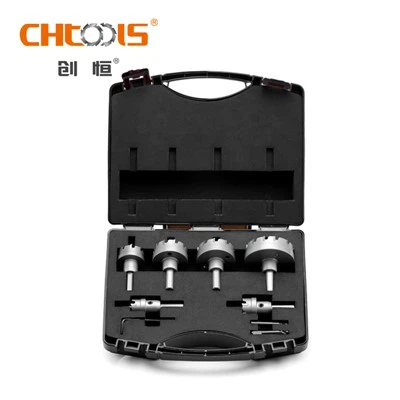
Hey there! As a supplier of solid rail cutters, I've seen my fair share of issues that customers run into. Troubleshooting a solid rail cutter can seem like a daunting task, but with the right know - how, it can be a breeze. In this blog, I'll walk you through some common problems and how to fix them.
1. Cutter Not Cutting Properly
One of the most common issues is when the solid rail cutter isn't cutting through the rail as it should. There could be a few reasons for this.
Dull Cutting Edges
Over time, the cutting edges of the solid rail cutter can become dull. This is especially true if you've been using the cutter for a long time or if you've been cutting through particularly hard materials. To check if the edges are dull, take a close look at the cutter. If the edges look worn or rounded, it's likely they're dull.
The solution? Sharpen the cutter. You can use a sharpening tool specifically designed for solid rail cutters. Make sure to follow the manufacturer's instructions when sharpening. If you're not comfortable sharpening it yourself, you can always send it back to us, and we'll take care of it for you.
Incorrect Cutting Speed
Another reason the cutter might not be cutting properly is that the cutting speed is incorrect. If the speed is too slow, the cutter might not be able to penetrate the rail effectively. On the other hand, if the speed is too fast, the cutter could overheat and become damaged.
To fix this, you need to adjust the cutting speed. Check the user manual for your specific solid rail cutter to find the recommended cutting speed for the type of rail you're working with. Then, adjust the speed on your cutting machine accordingly.
2. Excessive Vibration
Excessive vibration during the cutting process can be a real pain. Not only can it make the cutting operation less accurate, but it can also cause premature wear and tear on the cutter and the cutting machine.
Loose Components
One of the main causes of excessive vibration is loose components. Check all the bolts and screws on the solid rail cutter and the cutting machine. Make sure they're all tightened properly. If you find any loose parts, use a wrench to tighten them up.


Unbalanced Cutter
An unbalanced cutter can also lead to excessive vibration. To check if the cutter is balanced, you can use a balancing tool. If the cutter is unbalanced, you might need to replace it or have it professionally balanced.
3. Cutter Overheating
Overheating is a serious issue that can damage the solid rail cutter and reduce its lifespan.
Insufficient Lubrication
Insufficient lubrication is a common cause of overheating. When cutting, the cutter generates a lot of heat, and lubrication helps to dissipate this heat and reduce friction. Make sure you're using the right type of lubricant for your solid rail cutter and that you're applying it regularly during the cutting process.
Overloading the Cutter
Overloading the cutter by trying to cut through a rail that's too thick or hard for it can also cause overheating. Check the specifications of your solid rail cutter to make sure you're not exceeding its capabilities. If you need to cut through a thicker or harder rail, consider using a more powerful cutter.
4. Cutter Breaking or Chipping
If the cutter starts to break or chip, it's a clear sign that something is wrong.
Impact Damage
Impact damage can occur if the cutter hits something hard during the cutting process or if it's mishandled. To prevent impact damage, make sure you're using the cutter correctly and that you're not hitting any obstacles while cutting.
Poor Quality Material
In some cases, the cutter might break or chip because of poor - quality material. As a supplier, we only use high - quality materials for our solid rail cutters, but if you suspect that there's an issue with the material of your cutter, let us know, and we'll investigate.
Types of Solid Rail Cutters
We offer two main types of solid rail cutters: the HSS Split Type Solid Rail Cutter and the HSS Integral Type Solid Rail Cutter.
The HSS Split Type Solid Rail Cutter is great for situations where you need to replace the cutting edges easily. It's designed in a split - type structure, which allows you to replace the worn - out parts without having to replace the entire cutter.
The HSS Integral Type Solid Rail Cutter, on the other hand, is known for its high strength and durability. It's a one - piece design, which makes it less likely to come apart during the cutting process.
Conclusion
Troubleshooting a solid rail cutter doesn't have to be difficult. By keeping an eye out for common issues like dull cutting edges, excessive vibration, overheating, and breakage, and knowing how to fix them, you can ensure that your solid rail cutter performs at its best.
If you're having any problems with your solid rail cutter that you can't solve on your own, don't hesitate to reach out to us. We're here to help you get the most out of your cutter. Whether you're looking to purchase a new solid rail cutter or need some advice on maintenance and troubleshooting, we're just a message away. Contact us today to start a conversation about your solid rail cutter needs!
References
- Manufacturer's user manuals for solid rail cutters
- Industry best practices for cutting tool maintenance and troubleshooting