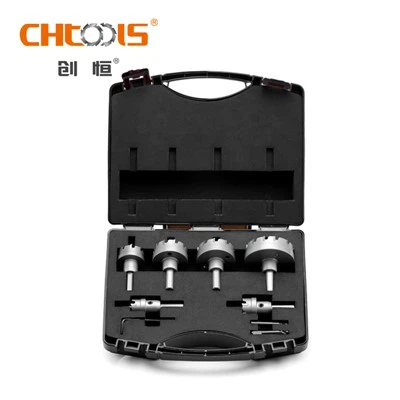
As a nut tap supplier, I've spent a good deal of time thinking about and discussing the various aspects of nut taps. One feature that often doesn't get as much attention as it should is the flute design in a nut tap. You might be wondering, what's the big deal about the flute design? Well, let me tell you, it's a whole lot more important than you might think.
First off, let's talk about what flutes are in a nut tap. Flutes are the grooves or channels that run along the body of the tap. They might seem like just simple cuts, but they play a crucial role in the tapping process. When you're using a nut tap to create internal threads in a nut or a similar workpiece, chips are generated. These chips need to go somewhere, and that's where the flutes come in.
The primary function of the flutes is chip evacuation. As the tap cuts into the material, it creates chips. If these chips aren't removed properly, they can cause a whole host of problems. For example, they can get stuck between the tap and the workpiece, leading to increased friction. This increased friction can make it harder to turn the tap, and in some cases, it can even cause the tap to break. That's a nightmare for anyone working with nut taps, whether you're a professional machinist or a DIY enthusiast.
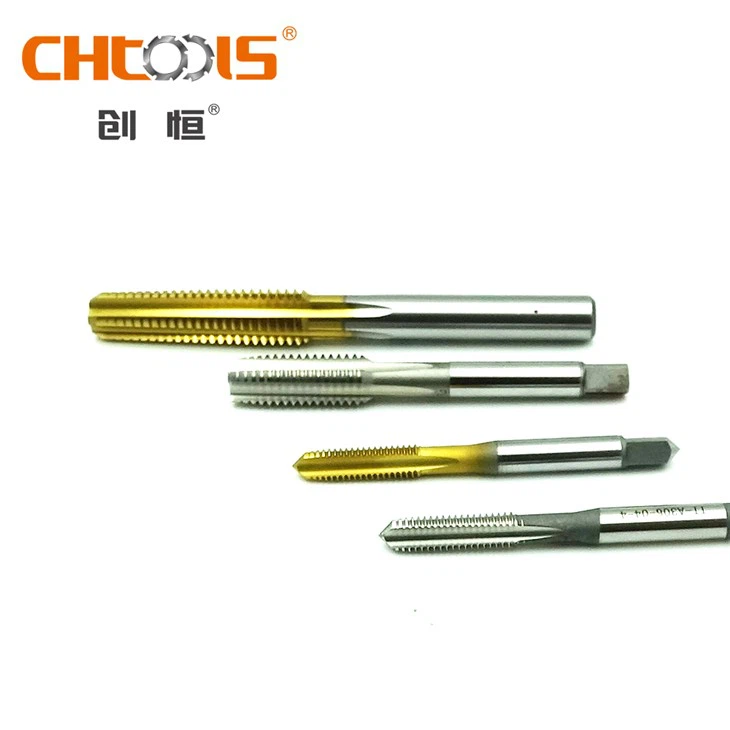
The design of the flutes determines how effectively the chips are removed. There are different types of flute designs, each with its own advantages and disadvantages. For instance, there are straight flutes. Straight flutes are the simplest design. They're easy to manufacture, which makes them relatively inexpensive. They work well in materials that produce short chips, like cast iron. The straight flutes provide a direct path for the chips to be pushed out of the hole as the tap rotates.
On the other hand, there are spiral flutes. Spiral flutes are a bit more complex in design. They're twisted along the length of the tap, which creates a helical path for the chips. This design is great for materials that produce long, stringy chips, like aluminum or stainless steel. The spiral flutes help to pull the chips out of the hole as the tap is turned, reducing the risk of chip clogging.
Another type of flute design is the left - hand spiral flute. This design is specifically used for blind holes. In a blind hole, you can't push the chips out the end of the hole because there's a bottom. The left - hand spiral flute tap pulls the chips up and out of the hole as it's turned, preventing the chips from getting trapped at the bottom of the hole.
The flute design also affects the cutting action of the nut tap. A well - designed flute can improve the accuracy of the threads being cut. When the chips are removed efficiently, the tap can cut more smoothly. This results in cleaner, more precise threads. In industries where precision is key, like aerospace or automotive manufacturing, the quality of the threads can make a huge difference. A poorly cut thread can lead to a loose or unstable connection, which can compromise the safety and performance of the entire product.
Now, let's talk about how the flute design impacts the life of the nut tap. When the chips are evacuated properly, there's less wear and tear on the tap. As I mentioned earlier, chips that get stuck can cause increased friction, which can wear down the cutting edges of the tap. By using a nut tap with the right flute design for the material you're working with, you can extend the life of the tap. This means you won't have to replace your taps as often, which can save you a significant amount of money in the long run.
In addition to chip evacuation and cutting performance, the flute design can also affect the surface finish of the threads. A good flute design helps to reduce the chances of chatter or vibration during the cutting process. Chatter can cause rough, uneven threads, which can be a problem in applications where a smooth surface finish is required. By choosing a nut tap with an appropriate flute design, you can ensure that the threads have a nice, smooth finish.
At our company, we offer a wide range of nut taps with different flute designs to meet the needs of our customers. Whether you're looking for a Threaded Shank Type Nut Tap or a Round Shank Type Nut Tap, we've got you covered. Our taps are made from high - quality materials and are designed to provide excellent performance and durability.

If you're in the market for nut taps, it's important to consider the flute design. Don't just go for the cheapest option or the one that's the most popular. Think about the material you'll be working with, the type of hole (through hole or blind hole), and the level of precision and surface finish you need. By making an informed decision, you'll be able to get the most out of your nut taps.
If you have any questions about our nut taps or need help choosing the right flute design for your application, don't hesitate to get in touch. We're here to assist you in finding the perfect nut tap for your needs. Whether you're a small - scale workshop or a large - scale manufacturing plant, we can provide you with the products and support you need. Contact us today to start a discussion about your nut tap requirements.
References
- "Machinery's Handbook" - A comprehensive reference book on machining processes, including information on tap design and flute functions.
- "Cutting Tool Engineering" - A magazine that often features articles on the latest developments in cutting tool technology, including nut taps.