Hey there! As a supplier of Indexable Drills, I've seen firsthand how the hardness of the workpiece material can have a huge impact on drill performance. In this blog, I'm gonna break down the ins and outs of this relationship, so you can make the most of your Indexable Drills.
Let's start by understanding what workpiece material hardness is all about. Hardness is a measure of how resistant a material is to deformation, indentation, or scratching. Different materials have different hardness levels, and these levels can vary widely. For example, soft materials like aluminum might have a relatively low hardness, while hard materials like titanium or hardened steel can be extremely tough.
Now, how does this hardness affect the performance of our Indexable Drills? Well, it impacts several key aspects.
Cutting Force
One of the most immediate effects is on the cutting force required. When you're drilling into a hard material, the drill has to work a lot harder to remove material. This means higher cutting forces are needed. If the drill isn't up to the task, it can lead to issues like the drill bit getting stuck or breaking. On the other hand, when drilling into a soft material, the cutting force required is much lower. Our Indexable Drills are designed to handle a range of cutting forces, but it's important to match the drill to the material hardness.
Tool Wear
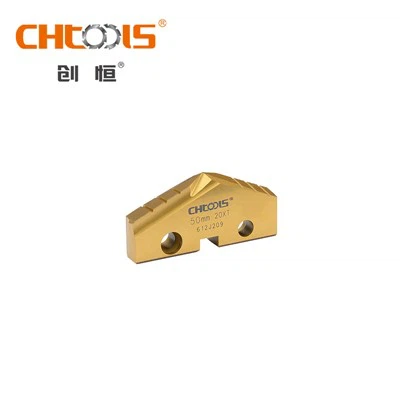
Tool wear is another major factor. Harder materials cause more wear on the drill. The abrasive nature of hard materials can quickly dull the cutting edges of the drill inserts. This is where the quality of the Spade Drill Insert comes into play. High - quality inserts are made from materials like carbide, which can withstand the wear better. But even with the best inserts, the wear rate will be higher when drilling hard materials compared to soft ones. For softer materials, the wear is much slower, and the inserts can last longer between replacements.
Chip Formation
Chip formation is also affected by workpiece material hardness. In soft materials, chips are usually easier to form and break. They tend to come out in long, continuous strands or small, manageable pieces. This makes it easier for the drill to evacuate the chips from the hole. However, when dealing with hard materials, chips can be more difficult to break. They might form into large, jagged pieces that can clog the flutes of the drill. This can lead to overheating and poor hole quality. That's why our Insert Drill is designed with optimized flute geometries to help with chip evacuation, regardless of the material hardness.
Hole Quality
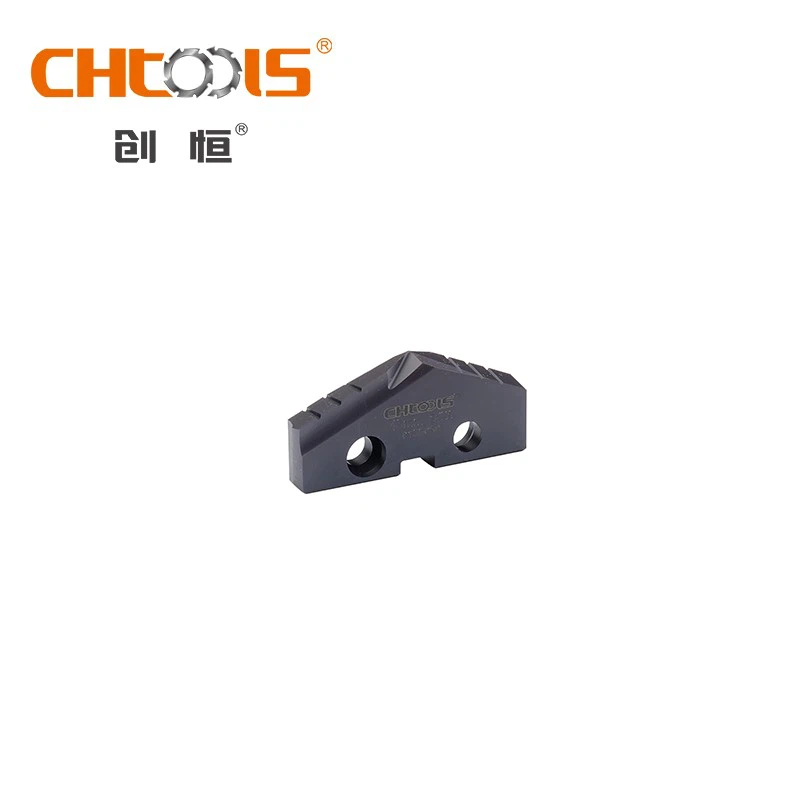
The quality of the hole drilled is directly related to the material hardness. When drilling soft materials, it's generally easier to achieve a smooth and accurate hole. There's less chance of the drill wandering or causing surface irregularities. But in hard materials, achieving a high - quality hole can be a challenge. The high cutting forces can cause the drill to deflect, resulting in holes that are out of round or have poor surface finish. Our Indexable Drills are engineered to minimize these issues. They have precise cutting geometries and high - precision inserts like the Carbide Insert Of Spade Drill to ensure better hole quality, even in tough materials.

Drill Life
Drill life is a crucial consideration for any user. As I mentioned earlier, hard materials reduce the drill life due to increased wear. If you're constantly drilling into hard materials, you'll need to replace the inserts more frequently. This can add up in terms of cost and downtime. On the other hand, when drilling soft materials, the drill can last much longer. By understanding the relationship between material hardness and drill life, you can plan your operations more effectively and budget for insert replacements.
So, how can you optimize the performance of our Indexable Drills based on workpiece material hardness?
Selecting the Right Insert
First and foremost, choose the right insert for the job. For hard materials, go for inserts with high - hardness coatings and strong cutting edges. Our carbide inserts are a great choice for hard materials as they can withstand the high cutting forces and abrasive wear. For soft materials, you might be able to use inserts with a more general - purpose design.
Adjusting Cutting Parameters
You also need to adjust the cutting parameters. When drilling hard materials, you'll typically need to reduce the feed rate and cutting speed. This helps to reduce the cutting force and prevent excessive wear on the drill. In soft materials, you can increase the feed rate and cutting speed to improve productivity.
Lubrication and Cooling
Proper lubrication and cooling are essential, especially when drilling hard materials. Lubricants help to reduce friction and heat, which can extend the life of the drill and improve hole quality. Cooling systems can also prevent the drill from overheating, which is a common problem when dealing with hard materials.
In conclusion, the hardness of the workpiece material has a profound influence on the performance of our Indexable Drills. By understanding these effects and taking the right steps to optimize the drilling process, you can get the most out of your drills. Whether you're working with soft aluminum or tough titanium, our range of Indexable Drills, along with high - quality inserts, can meet your needs.
If you're interested in learning more about our Indexable Drills or have any questions about matching the drill to your specific workpiece material, we'd love to hear from you. Reach out to us to start a conversation about your drilling requirements and let's work together to find the best solutions for your operations.
References
- Smith, J. (2020). "The Impact of Material Hardness on Drilling Tools". Journal of Manufacturing Technology.
- Brown, A. (2019). "Optimizing Drill Performance Based on Workpiece Material". Industrial Drilling Magazine.