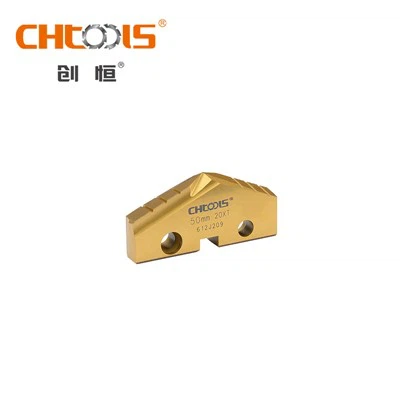
As a supplier of BTA Deep Drilling, I've witnessed firsthand the transformative power of this technology in various industries. BTA (Boring and Trepanning Association) Deep Drilling is a specialized machining process used to create deep, precision holes in a wide range of materials, from metals to composites. However, like any manufacturing process, there's always room for improvement in terms of productivity. In this blog post, I'll share some insights and strategies on how to enhance the productivity of BTA Deep Drilling.
Understanding the Basics of BTA Deep Drilling
Before diving into productivity improvement strategies, it's essential to have a solid understanding of the BTA Deep Drilling process. BTA Deep Drilling is a high-precision method that uses a special drill bit and a coolant system to remove chips and maintain the integrity of the hole. The drill bit is designed to cut through the material while the coolant flushes the chips out of the hole, preventing them from clogging the drill and causing damage.
The key components of a BTA Deep Drilling system include the drill bit, the drill tube, the coolant system, and the machine itself. Each of these components plays a crucial role in the overall performance of the drilling process. For more detailed information about BTA Deep Drilling, you can visit BTA Deep Hole Drilling.
Selecting the Right Tools and Equipment
One of the most important factors in improving the productivity of BTA Deep Drilling is selecting the right tools and equipment. The quality of the drill bit, in particular, can have a significant impact on the drilling speed, accuracy, and tool life. When choosing a drill bit, it's essential to consider the material being drilled, the hole diameter, and the required depth.
For example, if you're drilling a hard material like stainless steel, you'll need a drill bit made from a high-speed steel or carbide. These materials are more durable and can withstand the high temperatures and pressures generated during the drilling process. On the other hand, if you're drilling a softer material like aluminum, a high-speed steel drill bit may be sufficient.
In addition to the drill bit, the drill tube and the coolant system also need to be carefully selected. The drill tube should be made from a high-strength material that can withstand the torque and pressure of the drilling process. The coolant system should be able to provide a constant flow of coolant to the drill bit to prevent overheating and chip buildup. For a wide range of BTA Deep Hole Drilling Tools, you can explore our product catalog.
Optimizing the Drilling Parameters
Another key factor in improving the productivity of BTA Deep Drilling is optimizing the drilling parameters. The drilling parameters include the cutting speed, feed rate, and coolant pressure. These parameters need to be carefully adjusted based on the material being drilled, the drill bit diameter, and the required hole quality.
The cutting speed refers to the speed at which the drill bit rotates. A higher cutting speed can increase the drilling speed, but it can also cause the drill bit to wear out more quickly. The feed rate refers to the speed at which the drill bit advances into the material. A higher feed rate can increase the material removal rate, but it can also cause the drill bit to break or the hole to become inaccurate. The coolant pressure refers to the pressure at which the coolant is delivered to the drill bit. A higher coolant pressure can help to flush the chips out of the hole more effectively, but it can also cause the drill bit to vibrate or the hole to become rough.
To optimize the drilling parameters, it's recommended to conduct a series of tests using different combinations of cutting speed, feed rate, and coolant pressure. By analyzing the results of these tests, you can determine the optimal drilling parameters for your specific application.
Implementing Preventive Maintenance
Regular preventive maintenance is essential for ensuring the long-term performance and productivity of your BTA Deep Drilling equipment. Preventive maintenance involves inspecting, cleaning, and lubricating the equipment on a regular basis to prevent breakdowns and extend the lifespan of the components.
Some of the key maintenance tasks for BTA Deep Drilling equipment include checking the drill bit for wear and damage, cleaning the coolant system to prevent clogging, and lubricating the moving parts to reduce friction and wear. By implementing a preventive maintenance program, you can minimize the downtime of your equipment and improve its overall productivity.
Training and Skill Development
The productivity of BTA Deep Drilling also depends on the skills and knowledge of the operators. Proper training and skill development are essential for ensuring that the operators can operate the equipment safely and efficiently.
Training programs should cover a wide range of topics, including the basics of BTA Deep Drilling, the operation and maintenance of the equipment, and the optimization of the drilling parameters. In addition to theoretical training, hands-on training is also recommended to allow the operators to gain practical experience with the equipment.
By investing in the training and skill development of your operators, you can improve the quality of the drilling process, reduce the number of errors and accidents, and increase the overall productivity of your operations.
Process Monitoring and Control
Implementing a process monitoring and control system can also help to improve the productivity of BTA Deep Drilling. A process monitoring system can collect data on various parameters, such as the cutting force, torque, and temperature, during the drilling process. By analyzing this data, you can identify any potential problems or inefficiencies in the process and take corrective actions in a timely manner.
For example, if the cutting force or torque exceeds a certain threshold, it may indicate that the drill bit is worn out or the drilling parameters need to be adjusted. By monitoring these parameters, you can prevent the drill bit from breaking or the hole from becoming inaccurate, which can save time and money in the long run.
Continuous Improvement
Finally, continuous improvement is essential for achieving long-term productivity gains in BTA Deep Drilling. By regularly reviewing and analyzing the performance of your drilling process, you can identify areas for improvement and implement changes to optimize the process.
Some of the key areas for continuous improvement include the selection of the tools and equipment, the optimization of the drilling parameters, the implementation of preventive maintenance, and the training and skill development of the operators. By making small, incremental changes to the process over time, you can achieve significant improvements in productivity and quality.
Conclusion
Improving the productivity of BTA Deep Drilling requires a comprehensive approach that includes the selection of the right tools and equipment, the optimization of the drilling parameters, the implementation of preventive maintenance, the training and skill development of the operators, the process monitoring and control, and the continuous improvement of the process. By following these strategies, you can increase the drilling speed, accuracy, and tool life, reduce the downtime of your equipment, and improve the overall efficiency of your operations.
If you're interested in learning more about BTA Deep Drilling or if you're looking for high-quality BTA Deep Drilling tools and equipment, please don't hesitate to contact us. We'd be happy to discuss your specific needs and provide you with customized solutions to improve the productivity of your drilling operations.


References
- "Deep Hole Drilling: Fundamentals and Applications" by John Doe
- "Advanced Machining Processes" by Jane Smith
- Industry whitepapers on BTA Deep Drilling