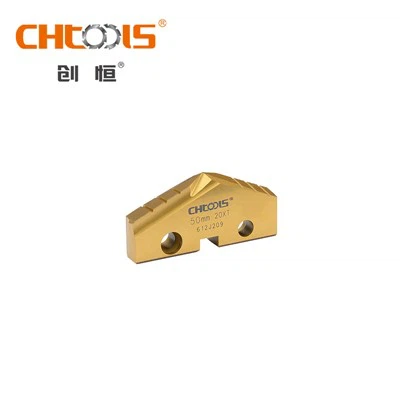
As a dedicated supplier of TCT (Tungsten Carbide Tipped) annular cutters, I've witnessed firsthand the intricate relationship between cutting speed and the lifespan of these essential tools. In this blog post, I'll delve into the scientific aspects of how cutting speed impacts the life of a TCT annular cutter, drawing on my practical experience and industry knowledge.
Understanding TCT Annular Cutters
Before we explore the effect of cutting speed, let's briefly understand what TCT annular cutters are. TCT annular cutters are designed for drilling large - diameter holes in a variety of materials, including steel, stainless steel, and cast iron. These cutters feature carbide tips that are brazed onto the cutting edge, providing superior hardness and wear resistance compared to traditional drill bits.
Our product range includes Carbide Tipped Annular Cutter with Universal Shank, Carbide Annular Cutter Drill Bit, and Carbide Tipped Annular Cutter. These cutters are crafted with precision to ensure optimal performance in different applications.
The Basics of Cutting Speed
Cutting speed, often measured in surface feet per minute (SFM) or meters per minute (m/min), refers to the speed at which the cutting edge of the tool moves across the workpiece. It is a critical parameter in machining operations as it directly affects the cutting forces, heat generation, and chip formation.
When it comes to TCT annular cutters, the cutting speed is influenced by several factors, including the material being cut, the cutter diameter, and the machine's power and capabilities. For example, when cutting through hard materials like stainless steel, a lower cutting speed may be required compared to softer materials such as mild steel.
The Impact of High Cutting Speed on TCT Annular Cutter Life
Heat Generation
One of the primary effects of high cutting speed is increased heat generation at the cutting edge. As the cutter rotates at a faster rate, the friction between the carbide tips and the workpiece intensifies. This excessive heat can cause the carbide to lose its hardness and toughness, leading to premature wear and chipping.
In extreme cases, the high temperature can even cause the brazed joint between the carbide tip and the cutter body to weaken, resulting in the carbide tip detaching from the cutter. This not only shortens the cutter's life but also poses a safety risk during the machining process.
Tool Wear
High cutting speeds also accelerate tool wear. The increased cutting forces associated with high - speed cutting can cause the carbide tips to wear down more rapidly. This wear can manifest as flank wear, crater wear, or edge chipping. Flank wear occurs on the side of the cutting edge, reducing the cutter's diameter and affecting the hole quality. Crater wear forms on the rake face of the carbide tip, weakening the cutting edge and increasing the cutting forces. Edge chipping can lead to uneven cutting and poor hole finish.
Chip Formation
At high cutting speeds, the chip formation process can become unstable. The chips may become longer and more difficult to break, leading to chip jamming in the cutter's flutes. This can cause additional stress on the cutter and further accelerate wear. Moreover, the long chips can also scratch the hole surface, reducing the overall quality of the machined part.


The Impact of Low Cutting Speed on TCT Annular Cutter Life
Insufficient Cutting Action
While high cutting speeds can be detrimental to the cutter life, low cutting speeds also have their drawbacks. When the cutting speed is too low, the cutter may not be able to penetrate the workpiece effectively. This can result in a phenomenon known as "rubbing" rather than cutting, where the carbide tips simply slide over the workpiece surface without removing material efficiently.
The rubbing action generates excessive heat due to friction, similar to high - speed cutting, but without the benefit of efficient chip removal. This heat can cause the carbide to oxidize and wear prematurely. Additionally, the lack of proper cutting action can lead to a rough hole surface and poor dimensional accuracy.
Increased Cutting Forces
Low cutting speeds can also lead to increased cutting forces. Since the cutter is not removing material as quickly as it should, the forces acting on the cutting edge are concentrated over a longer period. This can cause the carbide tips to experience higher stresses, increasing the risk of chipping and breakage.
Finding the Optimal Cutting Speed
To maximize the life of a TCT annular cutter, it is crucial to find the optimal cutting speed. This speed will vary depending on several factors, including the material being cut, the cutter diameter, and the machine's capabilities.
Material Considerations
Different materials have different hardness and machinability characteristics. For example, mild steel can generally tolerate higher cutting speeds compared to stainless steel or cast iron. When cutting non - ferrous materials such as aluminum, even higher cutting speeds may be possible. It is essential to consult the cutter manufacturer's recommendations or use cutting speed charts to determine the appropriate speed for a specific material.
Cutter Diameter
The diameter of the TCT annular cutter also plays a role in determining the optimal cutting speed. Larger diameter cutters typically require lower cutting speeds to ensure proper chip evacuation and to prevent excessive heat generation. Smaller diameter cutters, on the other hand, can often operate at higher speeds.
Machine Capabilities
The power and rigidity of the machine used for drilling also influence the cutting speed. A more powerful and rigid machine can handle higher cutting speeds and feed rates. It is important to ensure that the machine is capable of providing the necessary torque and speed to operate the cutter effectively.
Tips for Optimizing Cutting Speed and Cutter Life
Use Coolant
Applying a suitable coolant during the cutting process can significantly reduce heat generation and improve chip evacuation. Coolants help to dissipate the heat from the cutting edge, preventing the carbide from overheating and wearing prematurely. They also lubricate the cutting interface, reducing friction and cutting forces.
Monitor the Cutting Process
Regularly monitoring the cutting process is essential for detecting any signs of abnormal wear or poor performance. Check the hole quality, chip formation, and the condition of the cutter's cutting edge. If you notice any issues, such as excessive wear, chipping, or poor hole finish, adjust the cutting speed or other parameters accordingly.
Follow Manufacturer's Recommendations
Always follow the manufacturer's recommendations for cutting speed, feed rate, and coolant usage. The manufacturer has conducted extensive testing to determine the optimal operating conditions for their TCT annular cutters. By adhering to these recommendations, you can ensure the best performance and longest life for your cutters.
Conclusion
In conclusion, the cutting speed has a profound effect on the life of a TCT annular cutter. Both high and low cutting speeds can lead to premature wear, chipping, and reduced hole quality. By understanding the relationship between cutting speed and cutter life and following the tips outlined above, you can optimize the cutting process and extend the lifespan of your TCT annular cutters.
If you are in the market for high - quality TCT annular cutters or have any questions about optimizing cutting speed for your specific application, I encourage you to reach out to us for a detailed discussion. Our team of experts is ready to assist you in finding the best solutions for your machining needs.
References
- Kalpakjian, S., & Schmid, S. R. (2009). Manufacturing Engineering and Technology. Pearson Prentice Hall.
- Trent, E. M., & Wright, P. K. (2000). Metal Cutting. Butterworth - Heinemann.