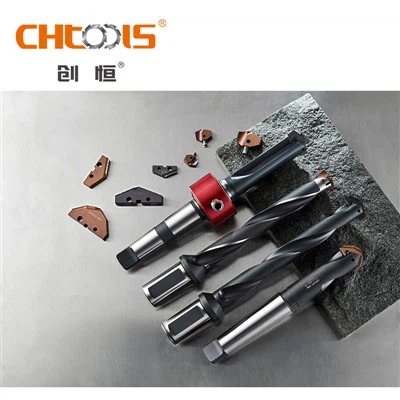
Hey there! As a supplier of spiral flute taps, I've gotten tons of questions from folks about adjusting the coolant flow rate when using these awesome tools. It's a crucial part of getting the best performance out of your spiral flute tap, so I'm gonna break it down for you in this blog post.
Why Coolant Flow Rate Matters
First off, let's talk about why the coolant flow rate is such a big deal. When you're using a spiral flute tap, the cutting process generates a lot of heat. This heat can cause all sorts of problems, like premature wear on the tap, poor thread quality, and even breakage. Coolant helps to dissipate this heat, keeping the tap and the workpiece at a stable temperature.
A proper coolant flow rate also helps to flush out chips from the tap's flutes. If chips build up, they can clog the flutes, leading to more heat generation and potential damage to the tap. By maintaining the right flow rate, you ensure that the chips are removed efficiently, allowing the tap to cut smoothly.
Factors Affecting Coolant Flow Rate
There are a few factors that can affect the ideal coolant flow rate for your spiral flute tap. Let's take a look at them:
Tap Size and Geometry
The size and geometry of the spiral flute tap play a significant role in determining the coolant flow rate. Smaller taps generally require less coolant flow compared to larger ones. The number and shape of the flutes also matter. Taps with more flutes may need a higher flow rate to effectively flush out chips.
Material Being Tapped
The material you're tapping has a big impact on the coolant flow rate. Softer materials like aluminum tend to produce long, stringy chips, which require a higher flow rate to remove. Harder materials like stainless steel generate shorter chips but produce more heat, so you may still need a good amount of coolant to keep things cool.
Cutting Speed and Feed Rate
Your cutting speed and feed rate also influence the coolant flow rate. Higher cutting speeds and feed rates generate more heat and chips, so you'll need to increase the coolant flow accordingly.
How to Adjust the Coolant Flow Rate
Now that we know why the coolant flow rate matters and what factors affect it, let's talk about how to adjust it. Here are the steps you can follow:
Step 1: Check the Manufacturer's Recommendations
The first thing you should do is check the manufacturer's recommendations for your spiral flute tap. They usually provide guidelines on the optimal coolant flow rate based on the tap size, material, and cutting conditions. You can find this information in the product manual or on the manufacturer's website.
Step 2: Start with a Baseline Flow Rate
Once you have the manufacturer's recommendations, start with a baseline flow rate. This is usually a good starting point, but you may need to make adjustments based on your specific cutting conditions.
Step 3: Monitor the Cutting Process
As you start tapping, keep an eye on the cutting process. Look for signs of overheating, such as discoloration of the tap or the workpiece. If you notice excessive heat, increase the coolant flow rate. Also, check for chip buildup in the flutes. If chips are not being removed effectively, increase the flow rate to flush them out.
Step 4: Make Incremental Adjustments
If you need to make adjustments to the coolant flow rate, do it incrementally. Make small changes and monitor the cutting process after each adjustment. This will help you find the optimal flow rate without overdoing it.
Step 5: Consider the Coolant Delivery System
The type of coolant delivery system you're using can also affect the flow rate. There are different types of delivery systems, such as flood coolant, mist coolant, and through-tool coolant. Each system has its own advantages and disadvantages, and you may need to adjust the flow rate accordingly.


Tips for Optimal Coolant Flow
Here are some additional tips to help you achieve optimal coolant flow when using a spiral flute tap:
Use the Right Coolant
Make sure you're using the right coolant for your application. Different materials and cutting conditions may require different types of coolant. Consult with your coolant supplier to find the best coolant for your needs.
Keep the Coolant Clean
Dirty coolant can clog the delivery system and reduce the flow rate. Make sure to regularly clean the coolant tank and filters to keep the coolant clean.
Check the Coolant Pressure
The coolant pressure also affects the flow rate. Make sure the coolant pressure is within the recommended range for your delivery system.
Maintain the Tap
A well-maintained tap will perform better and require less coolant. Make sure to regularly inspect and sharpen the tap to keep it in good condition.
Conclusion
Adjusting the coolant flow rate of a spiral flute tap is an important part of getting the best performance out of your tool. By considering the factors that affect the flow rate, following the steps to adjust it, and implementing the tips for optimal flow, you can ensure that your spiral flute tap cuts smoothly and produces high-quality threads.
If you're in the market for a high-quality spiral flute tap, check out our Spiral Tap selection. We offer a wide range of taps in different sizes and materials to meet your needs. And if you have any questions or need help with adjusting the coolant flow rate, don't hesitate to reach out. We're here to help you get the most out of your tapping operations.
References
- Manufacturer's product manuals for spiral flute taps
- Coolant supplier recommendations
- Industry best practices for tapping operations