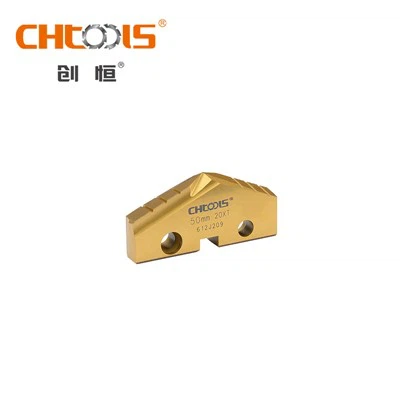
Hey there! As a solid rail cutter supplier, I've seen firsthand the importance of setting up these tools correctly for different cutting tasks. Whether you're a professional in the railway industry or a DIY enthusiast, getting the setup right can make all the difference in the quality and efficiency of your work. In this blog, I'll share some tips on how to set up a solid rail cutter for various cutting needs.


Understanding Your Solid Rail Cutter
First things first, you need to know what type of solid rail cutter you have. There are different types available, each designed for specific tasks. For example, the HSS Integral Type Solid Rail Cutter is great for continuous cutting operations. It's made of high - speed steel (HSS) and has an integral design, which means it's more durable and can handle long - term use.
On the other hand, the HSS Split Type Solid Rail Cutter is more flexible. It can be easily adjusted and is suitable for cutting rails in tight spaces or when you need to make multiple cuts at different angles. Knowing the features of your cutter will help you set it up in the best way possible.
Pre - Setup Checks
Before you start setting up the solid rail cutter, you need to do some pre - setup checks. This is crucial to ensure your safety and the proper functioning of the tool.
- Inspect the Cutter: Check for any signs of damage, such as cracks, chips, or dull edges. If you find any issues, it's best to replace the cutter or have it repaired before use. A damaged cutter can not only affect the quality of your cut but also pose a safety risk.
- Check the Power Source: Whether your solid rail cutter is electric, hydraulic, or pneumatic, make sure the power source is in good working condition. For electric cutters, check the cords for any fraying or damage. For hydraulic or pneumatic cutters, ensure that the hoses and connections are tight and leak - free.
- Gather Your Tools: You'll need some basic tools for the setup, such as wrenches, screwdrivers, and measuring tools. Having these tools ready will make the setup process much smoother.
Setting Up for Straight Cuts
Straight cuts are one of the most common cutting tasks when working with rails. Here's how you can set up your solid rail cutter for a straight cut:
- Secure the Rail: Use clamps or a vice to hold the rail firmly in place. This will prevent the rail from moving during the cutting process, which can lead to inaccurate cuts. Make sure the rail is level and aligned properly.
- Adjust the Cutting Depth: Most solid rail cutters allow you to adjust the cutting depth. Set the depth according to the thickness of the rail. You don't want to cut too deep, as it can damage the cutter and the rail, but you also need to cut deep enough to complete the cut in one pass.
- Align the Cutter: Position the cutter so that it's perpendicular to the rail. Use a square or a level to ensure accurate alignment. This will help you get a clean and straight cut.
Setting Up for Angled Cuts
Angled cuts are a bit more challenging than straight cuts, but with the right setup, you can achieve great results.
- Determine the Angle: Use a protractor or an angle - measuring tool to determine the angle at which you need to cut the rail. Mark the angle on the rail using a marker or a scribe.
- Adjust the Cutter Head: Some solid rail cutters have an adjustable cutter head that allows you to set the cutting angle. Loosen the locking mechanism and adjust the head to the desired angle. Then, tighten the locking mechanism to secure the head in place.
- Support the Rail: When making an angled cut, the rail needs extra support to prevent it from shifting. You can use additional clamps or a support block to hold the rail steady.
Maintenance During and After Use
Proper maintenance is essential to keep your solid rail cutter in good working condition.
- During Use: Keep the cutter lubricated to reduce friction and heat. This will extend the life of the cutter and improve the quality of the cut. Also, check the cutter regularly for any signs of wear or damage. If you notice any issues, stop using the cutter immediately and make the necessary repairs.
- After Use: Clean the cutter thoroughly after each use to remove any debris or metal shavings. Store the cutter in a dry and secure place to prevent rust and corrosion. You can also apply a light coat of oil to the cutter to protect it.
Troubleshooting Common Issues
Even with the best setup, you may encounter some issues when using a solid rail cutter. Here are some common problems and how to solve them:
- Dull Cuts: If the cuts are dull or rough, it could be because the cutter is dull. Sharpen or replace the cutter to get a cleaner cut.
- Excessive Vibration: Excessive vibration can be caused by an unbalanced cutter or a loose connection. Check the cutter for balance and tighten all the connections.
- Overheating: Overheating can occur if the cutter is used for too long without a break or if it's not properly lubricated. Let the cutter cool down and make sure it's well - lubricated before using it again.
Conclusion
Setting up a solid rail cutter for different cutting tasks may seem complicated at first, but with the right knowledge and a bit of practice, you can do it like a pro. Remember to understand your cutter, do the pre - setup checks, and follow the proper procedures for straight and angled cuts. And don't forget about maintenance – it's the key to keeping your cutter in top shape.
If you're in the market for a solid rail cutter or have any questions about setting up or using one, feel free to reach out. We're here to help you find the best solution for your cutting needs. Whether you're a large - scale railway construction company or a small - time DIYer, we've got the right solid rail cutter for you. Contact us to start a procurement discussion and take your rail - cutting projects to the next level!
References
- Railway Tool Handbook, 3rd Edition
- Industrial Cutting Tools: A Practical Guide