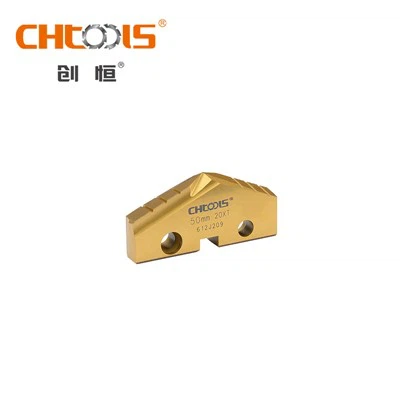
Installing a solid rail cutter correctly is crucial for ensuring its optimal performance and longevity. As a reliable solid rail cutter supplier, I'm here to guide you through the installation process step by step.
Pre - installation Preparations
Before you start the installation, it's essential to gather all the necessary tools and materials. You'll typically need a wrench set, a measuring tape, a level, and safety equipment such as gloves and safety glasses. Make sure to have the installation manual for your specific solid rail cutter on hand as well.
Inspect the solid rail cutter carefully for any signs of damage during transit. Check for cracks, chips, or any other visible defects. If you find any issues, contact our customer service immediately, and we'll assist you in resolving the problem.
Measure the installation area accurately. Ensure that the surface where you'll be installing the solid rail cutter is flat, clean, and free of debris. A level surface is vital for the proper functioning of the cutter. If the surface is uneven, you may need to use shims to level it out.
Types of Solid Rail Cutters
We offer two main types of solid rail cutters: HSS Integral Type Solid Rail Cutter and HSS Split Type Solid Rail Cutter.
The HSS Integral Type Solid Rail Cutter is known for its high - strength and durability. It is a one - piece design, which means it offers excellent stability during cutting operations. This type of cutter is suitable for heavy - duty applications where precision and long - term performance are required.
On the other hand, the HSS Split Type Solid Rail Cutter provides more flexibility. It can be easily disassembled and reassembled, which is beneficial for maintenance and replacement of parts. This type is often preferred in situations where quick adjustments or repairs are needed.


Installation Steps
Step 1: Positioning the Cutter
First, place the solid rail cutter in the desired location on the prepared surface. Use the measuring tape to ensure that it is centered and aligned correctly. You can mark the position with a pencil or chalk to make sure you can easily refer back to it.
If you're installing a multiple - cutter setup, ensure that the spacing between the cutters is consistent. This will help in achieving uniform cutting results.
Step 2: Mounting the Cutter
Once the cutter is properly positioned, start mounting it using the appropriate bolts or screws. Refer to the installation manual for the correct size and type of fasteners. Tighten the bolts gradually and evenly to avoid any misalignment.
Use a wrench to secure the bolts firmly, but be careful not to over - tighten them, as this can damage the cutter or the mounting surface. Check the level of the cutter again after tightening the bolts to ensure it remains in the correct position.
Step 3: Connecting the Power Source
If your solid rail cutter is powered by electricity, make sure to follow all electrical safety procedures. Locate the power cord and connect it to a suitable power outlet. Ensure that the outlet is properly grounded to prevent electrical hazards.
For hydraulic or pneumatic cutters, connect the appropriate hoses or pipes according to the manufacturer's instructions. Check for any leaks in the connections before starting the cutter.
Step 4: Testing the Cutter
After the installation is complete, perform a test run of the solid rail cutter. Start the cutter at a low speed and observe its operation. Check for any abnormal noises, vibrations, or other issues.
If the cutter seems to be working smoothly, gradually increase the speed and perform some test cuts on a scrap piece of material. This will help you verify that the cutter is cutting accurately and efficiently.
Troubleshooting
If you encounter any problems during the installation or testing process, here are some common issues and solutions:
- Vibration: Excessive vibration can be caused by misalignment, loose bolts, or a damaged cutter blade. Check the alignment of the cutter and tighten all the bolts. If the blade is damaged, replace it with a new one.
- Poor Cutting Performance: This could be due to a dull blade, incorrect cutting speed, or improper material selection. Sharpen or replace the blade, adjust the cutting speed according to the material being cut, and ensure that the cutter is suitable for the specific material.
- Electrical or Hydraulic Problems: If there are issues with the power supply or hydraulic system, check the connections, fuses, and hydraulic fluid levels. If you're unable to resolve the problem, contact our technical support team for assistance.
Maintenance Tips
To keep your solid rail cutter in good working condition, regular maintenance is essential. Here are some maintenance tips:
- Cleaning: After each use, clean the cutter to remove any debris, chips, or dust. Use a brush or compressed air to clean hard - to - reach areas.
- Lubrication: Lubricate the moving parts of the cutter regularly according to the manufacturer's recommendations. This will reduce friction and wear, and extend the lifespan of the cutter.
- Blade Inspection and Replacement: Check the blade regularly for signs of wear and tear. Replace the blade when it becomes dull or damaged to ensure optimal cutting performance.
Conclusion
Installing a solid rail cutter may seem like a complex task, but by following the steps outlined above, you can ensure a successful installation. Whether you choose our HSS Integral Type Solid Rail Cutter or HSS Split Type Solid Rail Cutter, our high - quality products are designed to provide reliable and efficient cutting performance.
If you have any questions about the installation process, or if you're interested in purchasing a solid rail cutter, please feel free to contact us. We're committed to providing you with the best products and services, and we look forward to discussing your requirements and helping you find the perfect solution for your cutting needs.
References
- Manufacturer's Installation Manuals for Solid Rail Cutters
- Industry Standards for Solid Rail Cutter Installation and Maintenance