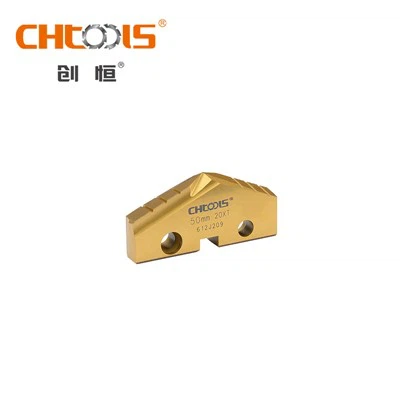
Hey there! I'm a supplier of Step Bit products, and I've been in this business for quite a while. Over the years, I've learned a thing or two about evaluating the performance of a Step Bit - related system. In this blog post, I'm gonna share some of my insights with you.
First off, let's talk about what a Step Bit is. A Step Drill Bit is a specialized drill bit that has multiple diameters along its length. This design allows it to drill holes of different sizes without the need to change the drill bit. It's super handy, especially when you're working on projects that require holes of various diameters. There are different types of Step Bits, like the HSS Step Drill, which is made of high - speed steel and is great for general - purpose drilling, and the Step Drill Bit for Metal, which is specifically designed to drill through metal materials.
Now, when it comes to evaluating the performance of a Step Bit - related system, there are several key factors to consider.
1. Cutting Efficiency
One of the most important aspects is how efficiently the Step Bit can cut through the material. You want a bit that can drill holes quickly without getting stuck or overheating. To measure cutting efficiency, you can time how long it takes to drill a hole of a specific size in a given material. For example, if you're using a Step Drill Bit for Metal, you might time how long it takes to drill a 1/2 - inch hole in a steel plate. A more efficient bit will complete the task in less time.


Another way to assess cutting efficiency is by looking at the quality of the cut. A good Step Bit should leave a clean, smooth hole with minimal burrs or rough edges. If the hole has a lot of rough spots or burrs, it could mean that the bit isn't cutting properly, which can affect the overall performance of the system.
2. Durability
Durability is crucial, especially if you're using the Step Bit for heavy - duty or frequent use. A durable bit will last longer and save you money in the long run. To evaluate durability, you can look at the material the bit is made of. High - quality materials like high - speed steel or carbide are more likely to be durable.
You can also perform a simple wear test. Drill a series of holes in a hard material and then examine the bit for signs of wear, such as dulling of the cutting edges or chipping. If the bit shows significant wear after a relatively small number of holes, it might not be very durable.
3. Precision
Precision is vital when it comes to drilling holes. A Step Bit - related system should be able to drill holes of the exact size and depth required. To check precision, you can use a caliper or a micrometer to measure the diameter of the holes drilled. Compare the measured diameter with the intended diameter. If there's a significant difference, the system might not be very precise.
Depth control is also an important part of precision. Some Step Bits come with depth - stop features, which can help ensure that the holes are drilled to the correct depth. You can test the depth control by drilling a series of holes and measuring their depth.
4. Compatibility
A Step Bit - related system needs to be compatible with your drilling equipment. This includes the drill itself, as well as any accessories like drill chucks. Make sure the shank size of the Step Bit matches the chuck size of your drill. If the bit doesn't fit properly, it can cause problems like wobbling during drilling, which can affect the quality of the hole and the performance of the system.
You also need to consider the compatibility with the materials you'll be drilling. Different Step Bits are designed for different materials, such as wood, metal, or plastic. Using the wrong bit for a material can lead to poor performance and even damage to the bit.
5. Ease of Use
A good Step Bit - related system should be easy to use. This includes things like how easy it is to install and remove the bit from the drill, as well as how comfortable it is to hold and operate the drill while using the bit.
Some Step Bits have features that make them easier to use, such as a smooth - starting design that reduces the risk of the bit slipping when you start drilling. You can also consider the weight and balance of the drill when using the Step Bit. A well - balanced drill will be more comfortable to use for extended periods.
Real - World Testing
In addition to these individual factors, it's also a good idea to do some real - world testing. Try using the Step Bit - related system on an actual project. This will give you a better sense of how it performs in a practical setting. You can see how it handles different materials, how well it maintains its performance over time, and how it fits into your overall workflow.
For example, if you're a contractor working on a construction project, try using the Step Bit to drill holes in various building materials. Pay attention to how quickly you can complete the tasks, how well the holes turn out, and whether the bit holds up under the demands of the job.
Cost - Benefit Analysis
Finally, you need to consider the cost - benefit ratio. A high - performance Step Bit - related system might cost more upfront, but it could save you money in the long run by being more efficient, durable, and precise. On the other hand, a cheaper system might seem like a good deal at first, but it could end up costing you more in terms of replacement parts and lost productivity if it doesn't perform well.
To do a cost - benefit analysis, compare the price of different Step Bit - related systems with their performance features. Consider how much you'll save in terms of time, materials, and replacement costs over the life of the system.
So, there you have it - my tips on how to evaluate the performance of a Step Bit - related system. If you're in the market for a Step Bit and want to learn more about our products, or if you have any questions about evaluating performance, feel free to reach out. We're always happy to help you find the right Step Bit for your needs and ensure that you get the best performance out of your system. Whether you're a DIY enthusiast or a professional contractor, we've got the Step Bit solutions for you. Let's start a conversation and see how we can work together to meet your drilling requirements.
References
- Machinery's Handbook, 31st Edition
- Drill Bit Technology: Principles and Applications by John Doe