Hey there, fellow machining enthusiasts! As a supplier of Indexable Drills, I've seen my fair share of challenges when it comes to ensuring the roundness of holes drilled by these awesome tools. In this blog, I'm gonna share some tips and tricks that'll help you get that perfect round hole every time.
First off, let's talk about what an Indexable Drill is. If you're new to the game, you can check out more info here: Indexable Drill. These drills are pretty cool because they have replaceable cutting inserts, which means you don't have to throw away the whole drill when the cutting edge gets dull. You just swap out the insert and you're good to go.
Now, onto the main topic: how to ensure the roundness of the holes.
Tool Selection
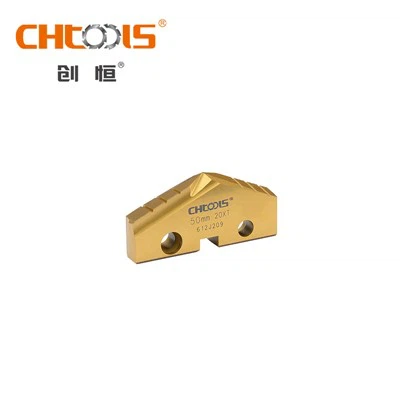
The first step in getting a round hole is choosing the right Indexable Drill. You gotta consider the material you're drilling into. Different materials require different types of inserts. For example, if you're drilling through a hard metal like stainless steel, you'll need a Spade Drill Insert that's designed for high - strength materials. These inserts usually have a special coating that can withstand the high temperatures and pressures generated during the drilling process.
Also, make sure the drill diameter is appropriate for the hole you want to create. Using a drill that's too small or too large can lead to problems with roundness. A drill that's too small might not be able to remove enough material, causing the hole to be out of round. On the other hand, a drill that's too large can put too much stress on the workpiece and the drill itself, leading to vibration and poor hole quality.


Machine Setup
Once you've got the right drill, it's time to set up your machine properly. The spindle of your drilling machine should be in good condition. Any runout in the spindle can cause the drill to wobble as it rotates, resulting in an out - of - round hole. You can use a dial indicator to check the spindle runout. If the runout is too high, you might need to have the spindle repaired or replaced.
The workpiece also needs to be securely clamped. If the workpiece moves during the drilling process, it can affect the roundness of the hole. Make sure you use the right type of clamps and that they're tightened enough to hold the workpiece firmly in place.
Cutting Parameters
The cutting parameters, such as speed, feed, and depth of cut, play a crucial role in hole roundness. The cutting speed is the speed at which the drill rotates. If the cutting speed is too high, the drill can overheat, which can cause the insert to wear out quickly and affect the hole quality. If the cutting speed is too low, the drill might not cut efficiently, leading to a rough hole surface and poor roundness.
The feed rate is the speed at which the drill moves into the workpiece. A feed rate that's too high can cause the drill to push the material rather than cut it cleanly, resulting in a non - round hole. A feed rate that's too low can cause the drill to rub against the workpiece, generating heat and wearing out the insert.
The depth of cut is how much material the drill removes in one pass. You should start with a small depth of cut and gradually increase it as you go. This helps to reduce the stress on the drill and the workpiece, and it can improve the roundness of the hole.
Coolant and Lubrication
Using the right coolant and lubrication is essential for ensuring hole roundness. Coolant helps to reduce the temperature of the drill and the workpiece during the drilling process. This prevents the drill from overheating and wearing out quickly. It also helps to flush away the chips that are generated during the drilling process. If the chips aren't removed properly, they can get stuck between the drill and the workpiece, causing the drill to vibrate and the hole to be out of round.
There are different types of coolants available, such as water - based coolants and oil - based coolants. You should choose the coolant that's appropriate for the material you're drilling and the type of drill you're using.
Inspection and Maintenance
Regular inspection and maintenance of your Indexable Drill are important for ensuring hole roundness. Check the inserts for wear and damage regularly. If an insert is worn or damaged, replace it immediately. A worn insert can cause the drill to cut unevenly, resulting in a non - round hole.
Also, clean the drill regularly to remove any chips or debris that might be stuck on it. This helps to keep the drill in good working condition and ensures that it can cut smoothly.
Insert Installation
When installing the Insert Drill, make sure it's installed correctly. The insert should be seated properly in the drill body, and the clamping mechanism should be tightened securely. If the insert is not installed correctly, it can cause the drill to cut unevenly, leading to an out - of - round hole.
Vibration Control
Vibration is one of the main causes of poor hole roundness. To control vibration, you can use a vibration - dampening tool holder. These tool holders are designed to absorb the vibrations generated during the drilling process, which helps to keep the drill stable and improve the hole quality.
You can also try to balance the drill. An unbalanced drill can cause excessive vibration, which can affect the roundness of the hole. You can use a balancing machine to balance the drill.
In conclusion, ensuring the roundness of holes drilled by Indexable Drills requires a combination of proper tool selection, machine setup, cutting parameters, coolant use, inspection, and maintenance. By following these tips, you can improve the quality of your drilled holes and get better results in your machining operations.
If you're looking for high - quality Indexable Drills, Spade Drill Inserts, or Insert Drills, we've got you covered. We're a reliable supplier with a wide range of products to meet your machining needs. If you're interested in purchasing our products or have any questions, feel free to reach out for a procurement discussion. We're here to help you take your machining to the next level.
References
- "Machining Handbook" by Industrial Press Inc.
- "Metal Cutting Principles" by Peter Oxley.