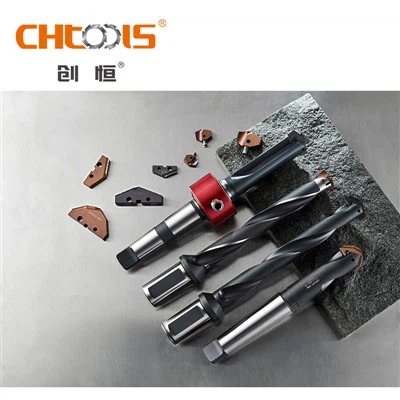
As a supplier of spade drills, I often encounter inquiries from customers about the suitability of spade drills for various materials, especially stainless steel. Stainless steel is a widely used material in many industries due to its excellent corrosion resistance, strength, and aesthetic appeal. However, drilling in stainless steel can be challenging because of its hardness and tendency to work-harden. In this blog post, I will explore whether a spade drill can be used for drilling in stainless steel, discussing the advantages, limitations, and best practices.
Advantages of Using Spade Drills for Stainless Steel
Spade drills offer several advantages when it comes to drilling in stainless steel. Firstly, they are known for their high material removal rate. The design of a spade drill allows for a large amount of material to be removed with each revolution, which can significantly reduce the drilling time compared to other types of drills. This is particularly beneficial when dealing with thick stainless steel sheets or blocks.
Secondly, spade drills can be used for deep-hole drilling. Stainless steel components often require deep holes for various applications, such as in the manufacturing of machinery parts or in the construction of buildings. Spade drills are capable of drilling deep holes with good straightness and accuracy, thanks to their stable cutting edge and the support provided by the drill body.
Another advantage is the versatility of spade drills. They can be used with different types of inserts, such as Insert Drill and Carbide Insert Drill Bit. Carbide inserts, in particular, are well-suited for drilling in stainless steel because of their high hardness and wear resistance. They can maintain a sharp cutting edge for a longer time, resulting in better hole quality and reduced tool wear.
Limitations of Using Spade Drills for Stainless Steel
Despite their advantages, spade drills also have some limitations when used for drilling in stainless steel. One of the main challenges is the high cutting forces involved. Stainless steel is a tough material, and drilling it requires significant force to penetrate the surface and remove the material. This can put a lot of stress on the drill bit and the drilling machine, potentially leading to premature tool failure or inaccurate hole dimensions.

Another limitation is the tendency of stainless steel to work-harden during the drilling process. As the drill bit cuts through the material, the heat generated can cause the stainless steel to harden, making it even more difficult to drill. This can result in increased cutting forces, reduced tool life, and poor hole quality. To mitigate this issue, it is important to use the right cutting parameters and coolant.
Best Practices for Using Spade Drills in Stainless Steel
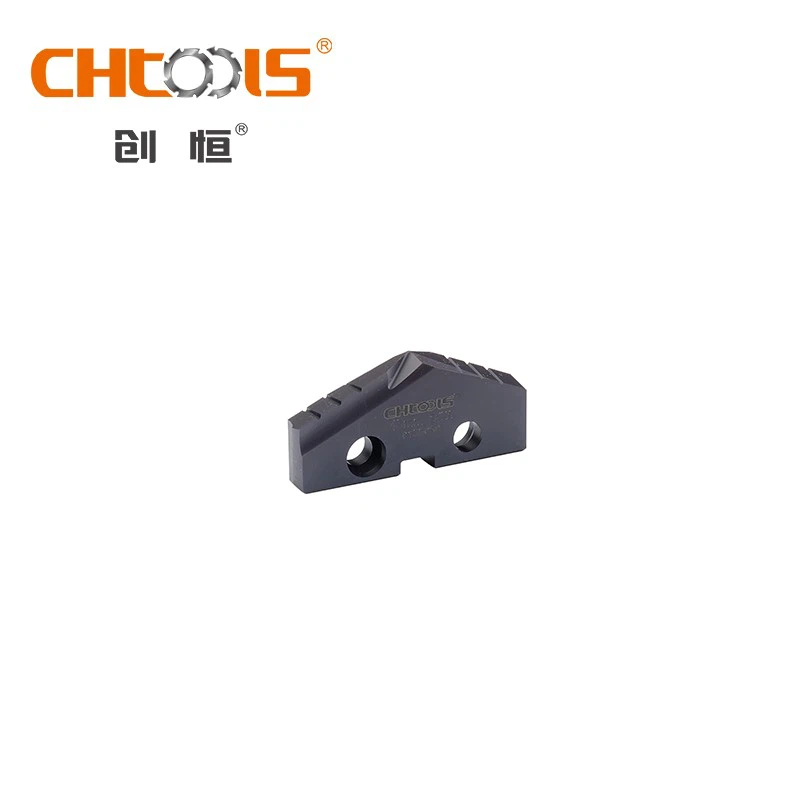
To achieve the best results when using spade drills for drilling in stainless steel, it is essential to follow some best practices. Firstly, choose the right insert for the job. Spade Drill Insert made of carbide are generally recommended for stainless steel due to their high hardness and wear resistance. The insert should have a sharp cutting edge and the appropriate geometry for the specific application.
Secondly, optimize the cutting parameters. This includes the cutting speed, feed rate, and depth of cut. The cutting speed should be selected based on the diameter of the drill bit and the type of insert used. A lower cutting speed is usually recommended for stainless steel to reduce the heat generated and prevent work-hardening. The feed rate should be adjusted to ensure a smooth and efficient cutting process. A too-high feed rate can cause excessive cutting forces and tool wear, while a too-low feed rate can result in poor chip evacuation and increased heat generation.
Thirdly, use a suitable coolant. Coolant plays a crucial role in drilling stainless steel. It helps to reduce the heat generated during the cutting process, flush away the chips, and lubricate the cutting edge. A water-soluble coolant is often a good choice for stainless steel drilling, as it provides both cooling and lubrication properties.
Finally, ensure proper machine setup and maintenance. The drilling machine should be properly calibrated and maintained to ensure accurate and stable drilling. The drill bit should be securely mounted in the chuck to prevent any vibration or movement during the drilling process. Regularly inspect the drill bit for wear and replace it when necessary.
Case Studies
To illustrate the effectiveness of using spade drills for drilling in stainless steel, let's look at a few case studies.
Case Study 1: A manufacturing company was producing stainless steel components for the automotive industry. They needed to drill a series of deep holes in the components. Initially, they were using traditional twist drills, which were causing long cycle times and poor hole quality. After switching to spade drills with carbide inserts, they were able to reduce the drilling time by 30% and improve the hole quality significantly. The spade drills were able to maintain a sharp cutting edge for a longer time, resulting in consistent hole dimensions and surface finish.
Case Study 2: A construction company was working on a building project that involved drilling holes in stainless steel beams. They were facing challenges with the high cutting forces and tool wear when using other types of drills. By using spade drills with the appropriate cutting parameters and coolant, they were able to overcome these challenges. The spade drills were able to penetrate the stainless steel beams easily, and the hole quality met the project requirements.
Conclusion
In conclusion, a spade drill can be used for drilling in stainless steel, but it requires careful consideration of the advantages, limitations, and best practices. When used correctly, spade drills can offer high material removal rates, deep-hole drilling capabilities, and versatility. However, it is important to choose the right insert, optimize the cutting parameters, use a suitable coolant, and ensure proper machine setup and maintenance.
If you are interested in using spade drills for your stainless steel drilling applications, I encourage you to contact us for more information. We can provide you with the right spade drill solutions based on your specific requirements and help you achieve the best results in your drilling operations.
References
- "Machining Stainless Steel: Best Practices and Techniques" - Industrial Machining Magazine
- "Drilling in Stainless Steel: Challenges and Solutions" - Tooling Technology Journal
- "Spade Drill Applications in Different Materials" - Cutting Tools Research Report