Hey there! As a step drill supplier, I've seen a lot of folks scratching their heads when it comes to choosing the right step drill. It can be a bit of a maze out there with so many options, but don't worry – I'm here to break it down for you.
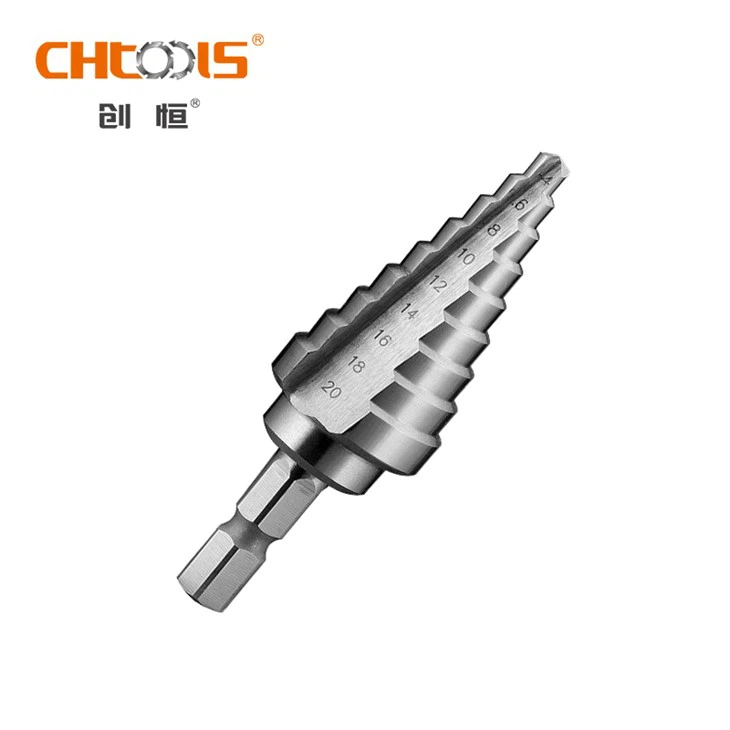
First off, let's talk about what a step drill is. If you're new to this, a step drill, also known as a step bit, is a super - handy tool. It's designed to drill holes of different sizes in a single pass. You can check out our Step Bit selection to get a better idea of what I'm talking about.
Material Matters
One of the first things you need to consider when choosing a step drill is the material you'll be working with. Different materials require different types of step drills.
Metal
If you're drilling into metal, you'll want a high - speed steel (HSS) or cobalt step drill. HSS step drills are great for general - purpose metal drilling. They're tough and can handle a variety of metals like aluminum, mild steel, and brass. Our Step Drill Bit made of HSS is a popular choice among DIYers and professionals alike.
Cobalt step drills, on the other hand, are even more heavy - duty. They contain a percentage of cobalt, which makes them harder and more heat - resistant. This means they can drill through harder metals like stainless steel without getting dull as quickly. If you're a professional who deals with a lot of stainless steel work, a cobalt step drill is definitely worth the investment.
Wood
For wood, you can get away with a regular HSS step drill. Wood is a softer material, so the drill doesn't need to be as tough as when drilling metal. The key here is to make sure the drill has sharp edges to create clean holes. You can find a great Step Drill Bit Set that includes bits suitable for wood drilling.

Plastic
When drilling plastic, you need to be careful not to melt the material. A step drill with a sharp point and a slow - cutting action is ideal. HSS step drills usually work well for plastic, but you might want to use a lower drill speed to prevent overheating.
Size and Capacity
Another crucial factor is the size and capacity of the step drill. Step drills come in different sizes, and you need to choose one that can drill the hole sizes you need.
Hole Sizes
Look at the step increments on the drill. The smaller the increments, the more precise you can be with your hole sizes. For example, if you need to drill holes in a range from 1/8 inch to 1/2 inch, make sure the step drill has steps that cover that range. Our step drill sets are designed to offer a wide range of hole sizes to meet different needs.
Maximum Hole Diameter
Check the maximum hole diameter the step drill can create. If you need to drill large holes, you'll need a step drill with a higher maximum diameter. Some step drills can go up to 1 - inch or even larger in diameter.
Flute Design
The flute design of a step drill plays an important role in its performance. Flutes are the spiral grooves on the drill bit.
Chip Removal
Good flute design helps with chip removal. When you're drilling, chips are created, and if they're not removed properly, they can clog the drill bit and slow down the drilling process. A step drill with deep and wide flutes can effectively remove chips, allowing for smoother drilling.
Cutting Efficiency
The shape of the flutes also affects cutting efficiency. Some flutes are designed to provide a more aggressive cutting action, while others are more suitable for a smoother, slower cut. Consider the material you're drilling and your drilling style when choosing a step drill based on its flute design.
Coating
Many step drills come with a coating, and this can enhance their performance.
Titanium Nitride (TiN) Coating
A TiN coating makes the drill bit harder and more wear - resistant. It also reduces friction, which means the drill can cut through materials more easily and stay sharp for longer. Our TiN - coated step drills are a great option if you want a bit that lasts.
Black Oxide Coating
Black oxide coating is another common option. It provides some corrosion resistance and can also reduce friction. It's a more budget - friendly option compared to TiN coating, but it still offers decent performance.
Brand and Quality
You can't overlook the brand and quality of the step drill. A well - known brand often means better quality control and a more reliable product.
Reputation
Look for brands that have a good reputation in the market. Read reviews from other users to see what they think about the step drills. A brand that stands behind its products and offers a warranty is also a plus.
Price vs. Quality
While you don't want to overspend, don't go for the cheapest option just to save a few bucks. A high - quality step drill might cost a bit more upfront, but it will last longer and perform better, saving you money in the long run.
Compatibility with Your Drill
Make sure the step drill you choose is compatible with your drill.
Shank Size
Check the shank size of the step drill. It needs to fit into the chuck of your drill. Most step drills come with a standard 1/4 - inch or 3/8 - inch shank, but it's always a good idea to double - check.
Drill Type
Whether you have a corded or cordless drill, the step drill should work well with it. Cordless drills might have less power, so you might need to choose a step drill that's easier to cut with.
In conclusion, choosing the right step drill involves considering the material you're drilling, the size and capacity you need, the flute design, the coating, the brand, and compatibility with your drill. If you're still not sure which step drill is right for you, don't hesitate to reach out. We're here to help you make the best choice for your project.
If you're interested in purchasing step drills, we'd love to have a chat with you about your specific needs. Whether you're a DIY enthusiast or a professional contractor, we have the right step drill solutions for you. Contact us to start the procurement negotiation process, and let's find the perfect step drill for your work.
References
- General knowledge from years of experience in the step drill supply industry.
- Industry standards and best practices for drill bit manufacturing and usage.