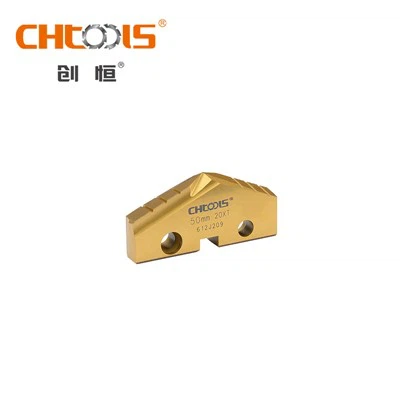
As a supplier of Spade Drill Insert, I understand the challenges that come with using these tools, especially the issue of vibration. Vibration during the drilling process can lead to a variety of problems, including poor hole quality, reduced tool life, and increased machining time. In this blog, I will share some effective strategies to reduce vibration when using a Spade Drill Insert, ensuring optimal performance and productivity.
Understanding the Causes of Vibration
Before we delve into the solutions, it's essential to understand what causes vibration in the first place. There are several factors that can contribute to vibration during the drilling process:
- Tool Geometry: The design and geometry of the Spade Drill Insert can significantly impact vibration. A poorly designed insert may cause uneven cutting forces, leading to vibration.
- Cutting Parameters: Incorrect cutting parameters, such as feed rate, cutting speed, and depth of cut, can also cause vibration. Using parameters that are too aggressive for the material being drilled can result in excessive forces and vibration.
- Workpiece Material: Different materials have different properties, and some materials are more prone to vibration than others. For example, materials with low stiffness or high ductility may be more likely to cause vibration during drilling.
- Machine Tool Condition: The condition of the machine tool can also affect vibration. A machine tool that is not properly maintained or calibrated may have excessive runout or misalignment, leading to vibration.
Strategies to Reduce Vibration
Now that we understand the causes of vibration, let's explore some strategies to reduce it:
1. Optimize Tool Geometry
- Choose the Right Insert: Selecting the right Spade Drill Insert for the specific application is crucial. Consider factors such as the material being drilled, the hole diameter, and the required surface finish. A well-designed insert with the appropriate geometry will help to distribute the cutting forces evenly and reduce vibration.
- Grind the Insert Correctly: If necessary, grind the insert to ensure that it has the correct cutting edges and angles. A sharp and properly ground insert will cut more efficiently, reducing the likelihood of vibration.
2. Adjust Cutting Parameters
- Reduce Feed Rate: One of the most effective ways to reduce vibration is to reduce the feed rate. A lower feed rate will result in smaller cutting forces, which can help to minimize vibration. However, be careful not to reduce the feed rate too much, as this can lead to increased machining time.
- Lower Cutting Speed: Reducing the cutting speed can also help to reduce vibration. A lower cutting speed will result in less heat generation and lower cutting forces, which can help to stabilize the drilling process. However, similar to the feed rate, be cautious not to lower the cutting speed too much, as this can also increase the machining time.
- Limit Depth of Cut: Using a smaller depth of cut can also reduce vibration. A shallower depth of cut will result in lower cutting forces and less stress on the tool, which can help to minimize vibration.
3. Consider the Workpiece Material
- Use Appropriate Coolant: Using the right coolant can help to reduce vibration and improve the cutting performance. Coolant helps to lubricate the cutting edges, reduce heat generation, and flush away chips, which can all contribute to a smoother drilling process.
- Pre-Drill or Counterbore: For harder or more difficult-to-machine materials, pre-drilling or counterboring can help to reduce the cutting forces and vibration. This can also improve the accuracy and surface finish of the final hole.
4. Ensure Machine Tool Stability
- Check Machine Tool Alignment: Make sure that the machine tool is properly aligned and calibrated. Any misalignment or runout can cause vibration during the drilling process. Regularly check and adjust the alignment of the machine tool to ensure optimal performance.
- Use a Rigid Setup: A rigid setup is essential to reduce vibration. Use a solid clamping system to secure the workpiece and the tool, and make sure that the machine tool is properly supported. Avoid using long or overhanging tool holders, as these can increase the likelihood of vibration.
5. Utilize Damping Devices
- Insert Shock Absorbers: Some Spade Drill Inserts are designed with built-in shock absorbers or damping features. These can help to reduce vibration by absorbing the impact forces during the cutting process.
- Use External Damping Devices: There are also external damping devices available that can be attached to the tool holder or the machine tool. These devices can help to dampen the vibration and improve the stability of the drilling process.
Regular Maintenance and Inspection
In addition to implementing the above strategies, regular maintenance and inspection of the Spade Drill Insert and the machine tool are essential to ensure long-term performance and reduce vibration. Here are some tips for maintenance and inspection:
- Inspect the Insert Regularly: Check the insert for signs of wear, damage, or chipping. Replace the insert as soon as it shows signs of excessive wear or damage to ensure optimal cutting performance and reduce vibration.
- Clean the Machine Tool: Keep the machine tool clean and free of chips and debris. This will help to prevent interference and ensure smooth operation of the machine tool.
- Lubricate Moving Parts: Regularly lubricate the moving parts of the machine tool to reduce friction and wear. This will help to maintain the stability and accuracy of the machine tool.
Conclusion
Reducing vibration when using a Spade Drill Insert is crucial for achieving optimal drilling performance, improving hole quality, and extending tool life. By understanding the causes of vibration and implementing the strategies outlined in this blog, you can minimize vibration and ensure a smooth and efficient drilling process.
If you're interested in purchasing high-quality Spade Drill Inserts or need further advice on reducing vibration in your drilling operations, please feel free to contact us. We're here to help you find the best solutions for your specific needs.


References
- Altintas, Y. (2000). Manufacturing Automation: Metal Cutting Mechanics, Machine Tool Vibrations, and CNC Design. Cambridge University Press.
- Dewes, R. C., & Aspinwall, D. K. (1995). High-Speed Machining. Chapman & Hall.
- Kishawy, H. A., & Elbestawi, M. A. (2003). Modeling and Analysis of Machining Processes. Marcel Dekker.