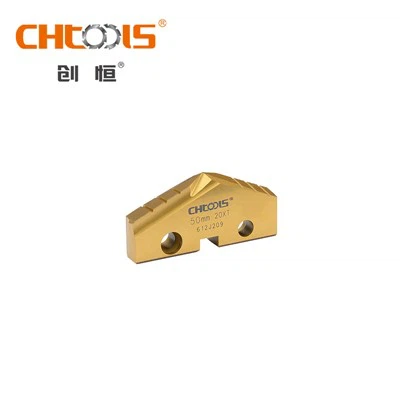
Hey there! As a supplier of HSS rail cutters, I often get asked the question: "How often should I maintain an HSS rail cutter?" Well, let's dive right into it and break down the factors that determine the maintenance frequency.
First off, what's an HSS rail cutter? HSS stands for High - Speed Steel, which is known for its ability to cut through tough materials like rails at high speeds. These cutters are essential tools in the railway industry, used for various tasks such as cutting rails to the right length or making holes.
Usage Frequency
One of the most significant factors affecting maintenance frequency is how often you use the HSS rail cutter. If you're using it on a daily basis for long hours, say in a busy railway construction site, you'll need to maintain it more frequently than if it's used only occasionally.
For heavy - duty, daily use, I'd recommend a basic inspection and cleaning after each shift. This involves checking for any visible signs of wear, like chipped edges or dull blades. You can use a soft brush to clean off any metal shavings or debris that may have accumulated during cutting. A more in - depth maintenance, including blade sharpening and lubrication, should be done at least once a week.
On the other hand, if the cutter is used only a few times a month, like in a small repair shop, a basic inspection after each use is still necessary. But a full - scale maintenance can be carried out once every two to three months.
Type of Rails Being Cut
The type of rails you're cutting also plays a big role. If you're working with softer rails, the wear and tear on the cutter will be less compared to cutting through high - strength alloy rails. Softer rails are easier to cut, which means the cutter doesn't have to work as hard.
When cutting high - strength alloy rails, the cutter has to endure more stress. In this case, even if the usage is not very frequent, you should increase the maintenance frequency. For example, if you cut high - strength rails once a week, do a thorough maintenance, including blade replacement if necessary, every two weeks.
Operating Conditions
The environment in which the HSS rail cutter operates matters a lot. If it's used in a dirty, dusty environment, like an outdoor construction site, debris can easily get into the moving parts of the cutter. This can cause premature wear and may even lead to the cutter malfunctioning.
In such conditions, you should clean the cutter more often. After each use, wipe it down with a clean cloth to remove any dust. And perform a detailed cleaning and lubrication at least once a week.
If the cutter is used in a relatively clean indoor environment, the maintenance frequency can be slightly reduced. However, don't skip the regular inspections.
Signs That Your HSS Rail Cutter Needs Maintenance
There are some obvious signs that your HSS rail cutter needs immediate attention. If you notice that the cutting speed has decreased significantly, it could mean that the blades are dull. Dull blades not only slow down the work but also put more strain on the motor of the cutter.


Another sign is excessive vibration during cutting. This could indicate a misaligned blade or a problem with the internal components. If you hear strange noises coming from the cutter, like grinding or rattling, it's a red flag that something is wrong.
Maintenance Steps
Let's talk about the actual maintenance steps. First, always start by unplugging the cutter (if it's an electric one) or turning off the fuel supply (if it's a gas - powered cutter) to ensure safety.
Inspect the blades carefully. Check for any chips, cracks, or excessive wear. If the blades are dull, you can use a blade sharpener. There are different types of sharpeners available, and you should choose one that is suitable for HSS blades.
Lubricate the moving parts of the cutter. This helps to reduce friction and wear. Use a high - quality lubricant recommended by the manufacturer. Apply the lubricant to the bearings, gears, and any other moving components.
Clean the cutter thoroughly. Remove any metal shavings, dust, or debris from the body, blades, and internal parts. You can use compressed air to blow out hard - to - reach areas.
Importance of Regular Maintenance
Regular maintenance of your HSS rail cutter is not just about keeping it in good working condition. It also has financial benefits. A well - maintained cutter lasts longer, which means you don't have to replace it as often. It also reduces the risk of breakdowns, which can cause costly delays in your work.
Moreover, a properly maintained cutter performs better. It cuts more efficiently, which saves you time and energy. This is especially important in the railway industry, where time is of the essence.
Related Products
If you're in the market for related products, check out our Best Rail Drill Bit. It's designed to work seamlessly with our HSS rail cutters. Also, our Drill Bit for Rail is a great option for making holes in rails. And for those who need to cut holes in rails, our HSS Rail Hole Cutter is top - notch.
Conclusion
So, to sum it up, the frequency of maintaining an HSS rail cutter depends on usage frequency, the type of rails being cut, and operating conditions. By following the guidelines mentioned above and paying attention to the signs of wear, you can keep your cutter in excellent condition.
If you're interested in purchasing our HSS rail cutters or any of our related products, don't hesitate to reach out. We're here to help you with all your railway cutting and drilling needs.
References
- Industry standards for HSS rail cutter maintenance
- Manufacturer's guidelines for HSS rail cutters