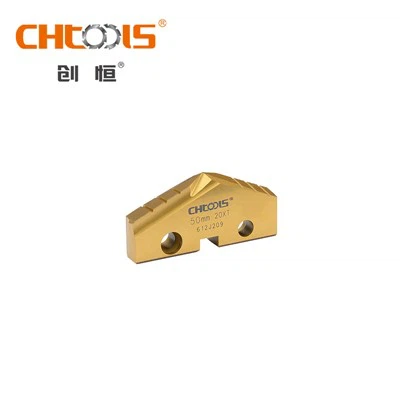
Hey there! As a supplier of HSS rail cutters, I often get asked some pretty interesting questions. One that pops up quite a bit is, "Can an HSS rail cutter cut rails underwater?" Well, let's dive into this topic and find out.
First off, let's talk a bit about what HSS rail cutters are. HSS stands for High-Speed Steel. These cutters are known for their durability and ability to cut through tough materials like rails. They're used in a variety of industries, from construction to railway maintenance.
Now, the idea of cutting rails underwater might seem a bit out of the ordinary, but there are actually some valid reasons for it. For example, in underwater construction projects or when maintaining submerged railway tracks, there could be a need to cut rails. But can our HSS rail cutters handle this unique challenge?
The Science Behind HSS Rail Cutters
HSS rail cutters are designed to work under high temperatures and pressures. The high-speed steel they're made of can withstand the heat generated during the cutting process. When a cutter is working, it creates friction with the rail, which in turn produces heat. The HSS material has a high melting point, allowing it to keep its shape and cutting edge even at elevated temperatures.
However, when we introduce water into the equation, things change. Water is a great conductor of heat. So, when the cutter is cutting underwater, the water will quickly absorb the heat generated by the friction. This might seem like a good thing at first, as it could prevent the cutter from overheating. But there's a catch.
The rapid cooling caused by the water can lead to a phenomenon called thermal shock. Thermal shock occurs when there's a sudden and significant change in temperature. This can cause the HSS cutter to crack or lose its hardness. The structure of the high-speed steel can be compromised, which means the cutter might not be as effective in cutting through the rail.


Testing the Waters
To find out if our HSS rail cutters can really cut rails underwater, we've conducted some tests. In these tests, we used HSS Rail Hole Cutter and Best Rail Drill Bit models. We submerged them in a controlled water environment and tried to cut through standard railway rails.
The results were a bit mixed. In some cases, the cutters were able to make initial cuts. The water did help in keeping the temperature down, and the cutters didn't overheat as quickly as they would on land. But as we continued cutting, we noticed some issues. The cutters started to show signs of wear and tear more quickly than usual. The edges became dull, and the cutting efficiency decreased.
We also found that the type of water mattered. Saltwater, for example, is more corrosive than freshwater. The salt in the water can react with the HSS material, causing it to rust and deteriorate over time. This can further reduce the lifespan of the cutter and affect its performance.
Factors Affecting Underwater Cutting
There are several factors that can affect the ability of an HSS rail cutter to cut rails underwater. One of the most important factors is the depth of the water. The deeper the water, the higher the pressure. High pressure can put additional stress on the cutter, making it more difficult to operate.
Another factor is the flow of the water. If the water is moving rapidly, it can create turbulence around the cutter. This turbulence can make it harder to control the cutting process and can also cause the cutter to vibrate, which can lead to uneven cuts and more wear on the cutter.
The condition of the rail itself also plays a role. If the rail is covered in sediment or other debris, it can make the cutting process more challenging. The debris can get in between the cutter and the rail, reducing the contact and making it harder to cut through.
Solutions and Alternatives
So, does this mean that HSS rail cutters are completely useless underwater? Not necessarily. There are some things we can do to improve their performance. One solution is to use a special coating on the cutter. This coating can help protect the HSS material from the corrosive effects of the water and reduce the risk of thermal shock.
Another option is to modify the design of the cutter. We can make the cutter more robust to withstand the high pressure and turbulence underwater. For example, we can increase the thickness of the cutting edges or use a different shape that's more suitable for underwater cutting.
If the conditions underwater are too challenging for HSS rail cutters, there are alternative cutting methods. One alternative is using abrasive water jet cutting. This method uses a high-pressure stream of water mixed with abrasive particles to cut through the rail. It's a more expensive option, but it can be more effective in underwater environments.
Conclusion
In conclusion, while HSS rail cutters can technically cut rails underwater, there are many challenges that need to be overcome. The rapid cooling, corrosion, high pressure, and water flow can all affect the performance and lifespan of the cutter. However, with the right modifications and precautions, it's possible to use HSS rail cutters in underwater applications.
If you're in the market for Drill Bit for Rail or any other HSS rail cutters and have questions about their underwater performance, don't hesitate to reach out. We're here to help you find the best solution for your specific needs. Whether you're working on an underwater construction project or maintaining submerged railway tracks, we can provide you with the right tools and advice. So, let's start a conversation and see how we can work together to get the job done.
References
- "High-Speed Steel: Properties and Applications" - Metallurgy Journal
- "Underwater Cutting Techniques: A Comparative Study" - Engineering Research Review