Can a spade drill be used on concrete? This is a question that often comes up among professionals in the construction and drilling industries. As a spade drill supplier, I have encountered this query numerous times, and I believe it's time to provide a comprehensive answer.


Understanding Spade Drills
Before delving into whether a spade drill can be used on concrete, it's essential to understand what a spade drill is. A spade drill is a type of drill bit that has a flat, blade-like cutting edge. It is commonly used for drilling large-diameter holes in various materials, including wood, metal, and plastic. The design of a spade drill allows for efficient chip removal, which helps to prevent overheating and prolong the life of the drill bit.
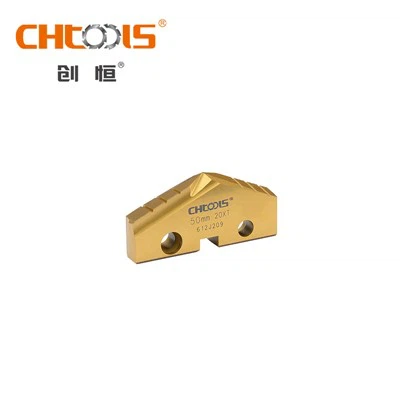
Spade drills come in different sizes and configurations, depending on the specific application. Some spade drills are designed for general-purpose drilling, while others are optimized for specific materials or hole sizes. Additionally, there are indexable spade drills, which feature replaceable cutting inserts. These inserts can be easily replaced when they become worn, reducing the overall cost of ownership.
For more information on indexable spade drills, you can visit our Indexable Drill page.
Characteristics of Concrete
Concrete is a composite material made up of cement, aggregates (such as sand and gravel), and water. It is known for its high compressive strength, durability, and resistance to wear and tear. However, concrete is also a brittle material, which means it can crack or break under excessive stress.
The hardness and density of concrete can vary depending on the mix design, curing conditions, and age of the concrete. Freshly poured concrete is generally softer and easier to drill than older, fully cured concrete. Additionally, the presence of reinforcement bars (rebar) in concrete can make drilling more challenging.
Can a Spade Drill Be Used on Concrete?
The short answer is that it depends. While spade drills are not typically the first choice for drilling concrete, they can be used in certain situations. However, there are several factors to consider before attempting to use a spade drill on concrete.
Material Compatibility
Spade drills are primarily designed for use on softer materials such as wood, metal, and plastic. Concrete is a much harder and more abrasive material, which can quickly wear down the cutting edges of a spade drill. As a result, using a spade drill on concrete may lead to premature tool failure and poor drilling performance.
Drill Bit Design
The design of a spade drill is not optimized for drilling concrete. Spade drills have a flat, blade-like cutting edge, which is not as effective at penetrating hard materials as other types of drill bits, such as masonry bits or carbide-tipped bits. Masonry bits are specifically designed for drilling concrete and other masonry materials, and they feature a pointed tip and fluted design that helps to remove chips and debris from the hole.
Drilling Conditions
The success of using a spade drill on concrete also depends on the drilling conditions. Factors such as the drill speed, feed rate, and coolant usage can all affect the performance of the drill bit. When drilling concrete, it is important to use a slow drill speed and a high feed rate to prevent overheating and tool damage. Additionally, using a coolant or lubricant can help to reduce friction and extend the life of the drill bit.
Application Requirements
The specific application requirements also play a role in determining whether a spade drill can be used on concrete. For example, if you need to drill a small number of holes in a relatively soft concrete surface, a spade drill may be sufficient. However, if you need to drill a large number of holes or if the concrete is very hard or reinforced, it is recommended to use a more suitable drill bit.
Alternatives to Spade Drills for Concrete Drilling
If you need to drill concrete, there are several alternatives to spade drills that are better suited for the task.
Masonry Bits
Masonry bits are the most common type of drill bit used for drilling concrete. They are available in a variety of sizes and styles, including carbide-tipped bits, diamond-tipped bits, and SDS-plus bits. Masonry bits are designed to penetrate hard materials and can provide fast and efficient drilling performance.
Rotary Hammer Drills
Rotary hammer drills are specifically designed for drilling concrete and other masonry materials. They combine a rotary motion with a hammering action to break up the concrete and remove chips and debris from the hole. Rotary hammer drills are more powerful and efficient than regular drills, and they can handle larger diameter holes and deeper drilling depths.
Core Drills
Core drills are used for drilling large-diameter holes in concrete and other materials. They feature a hollow bit that removes a core of material from the hole, leaving a clean, smooth hole. Core drills are commonly used for applications such as installing pipes, conduits, and ventilation systems.
When to Consider Using a Spade Drill on Concrete
While spade drills are not the ideal choice for drilling concrete, there are some situations where they may be used.
Soft Concrete
If the concrete is relatively soft or has a low compressive strength, a spade drill may be able to penetrate the material. However, it is important to use a slow drill speed and a high feed rate to prevent tool damage.
Small Holes
If you need to drill a small number of holes in a concrete surface, a spade drill may be sufficient. However, for larger or more numerous holes, it is recommended to use a more suitable drill bit.
Temporary or Non-Critical Applications
If the holes you are drilling are for temporary or non-critical applications, such as installing temporary fixtures or marking locations, a spade drill may be a cost-effective option. However, for permanent or load-bearing applications, it is important to use a drill bit that is specifically designed for drilling concrete.
Tips for Using a Spade Drill on Concrete
If you decide to use a spade drill on concrete, here are some tips to help you achieve the best results:
Choose the Right Drill Bit
Select a spade drill with a high-quality carbide tip or a diamond-coated cutting edge. These types of drill bits are more resistant to wear and can provide better drilling performance on concrete.
Use a Slow Drill Speed
When drilling concrete, it is important to use a slow drill speed to prevent overheating and tool damage. A drill speed of 300-500 RPM is recommended for most concrete applications.
Apply Pressure Gradually
Apply pressure gradually to the drill bit as you start to penetrate the concrete. Avoid applying too much pressure too quickly, as this can cause the drill bit to break or the concrete to crack.
Use a Coolant or Lubricant
Using a coolant or lubricant can help to reduce friction and extend the life of the drill bit. You can use water or a specialized coolant designed for drilling concrete.
Take Breaks
Drilling concrete can be a slow and labor-intensive process. Take breaks periodically to allow the drill bit to cool down and prevent overheating.
Conclusion
In conclusion, while spade drills are not typically the first choice for drilling concrete, they can be used in certain situations. However, it is important to consider the material compatibility, drill bit design, drilling conditions, and application requirements before attempting to use a spade drill on concrete. In most cases, it is recommended to use a masonry bit or other type of drill bit specifically designed for drilling concrete.
If you have any questions or need further assistance with choosing the right drill bit for your application, please feel free to contact us. We are a leading spade drill supplier, and we offer a wide range of high-quality drill bits and accessories for various applications. You can also visit our Spade Drill Insert and Insert Drill pages for more information on our products.
We are always happy to help you find the best solution for your drilling needs. Contact us today to start a conversation about your procurement requirements.
References
- Concrete Construction Handbook, 4th Edition, by Edward G. Nawy
- Drilling and Tapping Handbook, 3rd Edition, by Robert H. Todd
- Tooling and Machining Handbook, 5th Edition, by Kurt H. Stout