Can a Step Drill be Used in a Drill Press?
As a step drill supplier, I often get asked whether a step drill can be used in a drill press. The short answer is yes, step drills can absolutely be used in a drill press, and in many cases, it's an excellent combination that offers numerous advantages for various drilling tasks.
Understanding Step Drills
Before delving into using step drills in a drill press, let's first understand what step drills are. A step drill, also known as a Step Drill Bit or Step Bit, is a specialized drill bit with multiple stepped diameters. This design allows it to drill holes of different sizes without the need to change drill bits constantly. Each step on the drill bit represents a specific hole diameter, and as the drill progresses through the material, it gradually enlarges the hole to the desired size.
Step drills are commonly made of high - speed steel (HSS), and you can find a wide range of HSS Step Drill options in the market. HSS step drills are known for their durability and ability to cut through various materials, including metal, plastic, and wood.
Advantages of Using a Step Drill in a Drill Press
- Precision Drilling
One of the main advantages of using a step drill in a drill press is the enhanced precision. A drill press provides a stable and controlled platform for drilling. The drill bit is held vertically, and the operator can apply consistent pressure, ensuring that the hole is drilled straight and accurately. When using a step drill, this precision is crucial, especially when drilling holes of different sizes in a single operation. The step drill's design allows for smooth transitions between different hole diameters, and the drill press helps maintain the correct alignment throughout the process. - Efficiency
Using a step drill in a drill press significantly improves efficiency. Instead of changing drill bits multiple times to achieve different hole sizes, a single step drill can do the job. This saves time, especially when working on projects that require drilling multiple holes of various diameters. For example, in metal fabrication, where different-sized holes are often needed for bolts, rivets, or wiring, a step drill in a drill press can quickly and efficiently create the required holes. - Versatility
Step drills are already versatile tools on their own, but when paired with a drill press, their versatility is further enhanced. A drill press can be adjusted to different speeds, which is essential when drilling different materials. For softer materials like wood or plastic, a higher speed can be used, while for harder materials like metal, a lower speed is more appropriate. The step drill can then be used to drill holes of various sizes in these different materials, all on the same drill press.
Considerations When Using a Step Drill in a Drill Press
- Speed Settings
As mentioned earlier, the speed settings on the drill press are crucial when using a step drill. Different materials require different drilling speeds. For example, when drilling aluminum, a relatively high speed can be used, typically around 1000 - 1500 RPM. However, when drilling stainless steel, a much lower speed, around 200 - 500 RPM, is recommended. Using the wrong speed can lead to premature wear of the step drill, poor hole quality, or even breakage of the drill bit. - Feed Rate
The feed rate, or the rate at which the drill bit is pushed into the material, is also an important consideration. When using a step drill in a drill press, a slow and steady feed rate is generally recommended. This allows the drill bit to cut through the material smoothly and reduces the risk of overheating or damaging the drill bit. Pushing the drill bit too quickly can cause the step drill to bind or break, especially when drilling through harder materials. - Material Compatibility
While step drills can be used on a variety of materials, it's important to ensure that the step drill is suitable for the specific material you are working with. For example, some step drills are designed specifically for drilling metal, while others are better suited for wood or plastic. Using the wrong type of step drill can result in poor hole quality, excessive wear on the drill bit, or even damage to the material.
Safety Precautions
When using a step drill in a drill press, safety should always be a top priority. Here are some safety precautions to keep in mind:
- Wear Protective Gear
Always wear safety glasses to protect your eyes from flying debris. Additionally, wearing gloves can help protect your hands, but make sure they are not loose - fitting, as loose gloves can get caught in the drill press. - Secure the Workpiece
Ensure that the workpiece is securely clamped to the drill press table. This prevents the workpiece from moving during drilling, which can lead to inaccurate holes or even cause the drill bit to break. - Keep the Work Area Clean
A clean work area reduces the risk of accidents. Remove any chips or debris from the drill press table and around the drill bit regularly.
Applications of Step Drills in a Drill Press
- Automotive Repairs
In automotive repairs, step drills in drill presses are used to drill holes for various components. For example, when installing new electrical components or brackets, different - sized holes may be required. A step drill in a drill press can quickly and accurately create these holes, saving time and ensuring a proper fit. - Electronics Manufacturing
In electronics manufacturing, step drills are used to drill holes in printed circuit boards (PCBs) and enclosures. The ability to drill different - sized holes with a single drill bit is particularly useful in this industry, where precision and efficiency are crucial. - Home DIY Projects
For home DIY enthusiasts, using a step drill in a drill press can make projects like building furniture or installing shelves much easier. Whether you need to drill holes for screws, dowels, or cables, a step drill can provide the flexibility to create holes of different sizes without the need for multiple drill bits.
Conclusion
In conclusion, a step drill can be effectively used in a drill press, offering precision, efficiency, and versatility for a wide range of drilling tasks. However, it's important to consider factors such as speed settings, feed rate, and material compatibility to ensure optimal performance and safety.
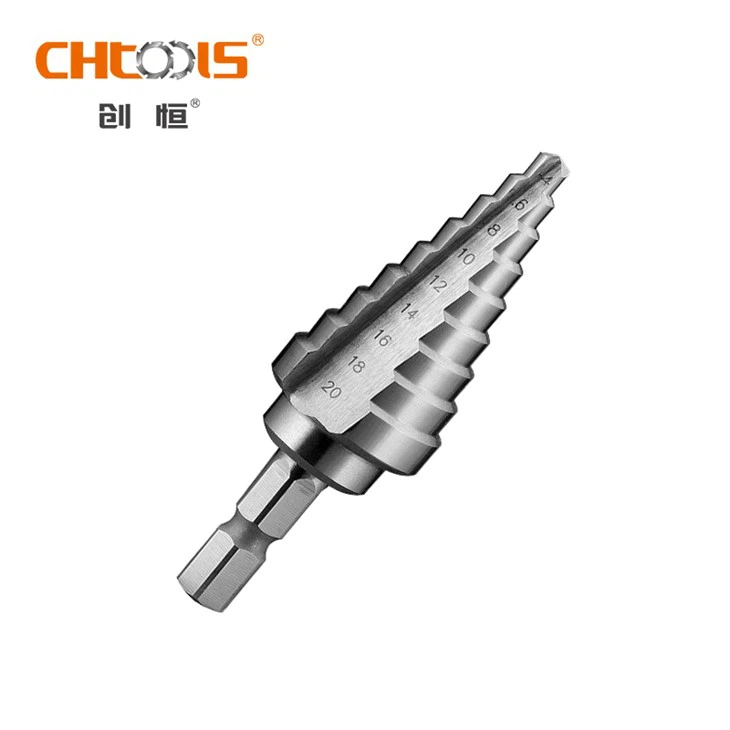

If you're in the market for high - quality step drills, we are here to help. Our HSS Step Drill products are designed to meet the needs of various industries and DIY projects. Whether you're a professional tradesperson or a home hobbyist, our step drills can provide the performance and reliability you need. Contact us today to discuss your specific requirements and explore our range of step drill products. We look forward to partnering with you on your next drilling project.
References
- "Drilling Handbook" by Industrial Press Inc.
- "The Complete Guide to Drill Press Operations" by Woodsmith Publishing