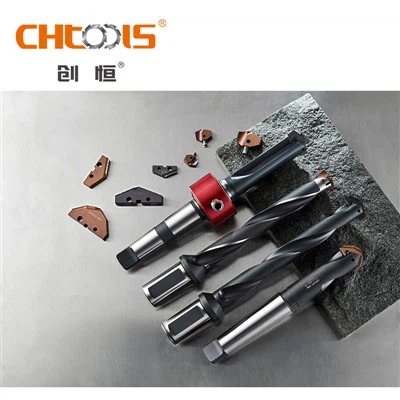
When it comes to the world of drilling, the step drill is a remarkable tool that has gained significant popularity due to its versatility and efficiency. As a step drill supplier, I often encounter various questions from customers regarding the applications of step drills. One common query that frequently arises is whether a step drill can be used for drilling in rubber. In this blog post, I will delve into this topic, exploring the feasibility, considerations, and best practices of using a step drill for drilling rubber materials.
Understanding Step Drills
Before we discuss the use of step drills in rubber, it's essential to have a clear understanding of what step drills are. A Step Drill Bit is a specialized drill bit with a series of progressively larger diameters along its length. This design allows the drill to create holes of different sizes without the need to change bits, making it a time - saving and convenient tool for many applications. Step drills are commonly used in metalworking, woodworking, and even plastic fabrication. They are available in different materials, such as high - speed steel (HSS) and cobalt, each offering unique properties suitable for specific tasks.
Feasibility of Using a Step Drill in Rubber
The short answer is yes, a step drill can be used for drilling in rubber. Rubber is a relatively soft and flexible material compared to metals and woods. The stepped design of the drill bit can gradually penetrate the rubber, creating holes of various sizes. However, there are several factors to consider to ensure a successful drilling process.
Material Compatibility
One of the primary considerations is the type of rubber. Different types of rubber, such as natural rubber, synthetic rubber (e.g., neoprene, silicone), and rubber compounds, have varying hardness, elasticity, and density. Softer rubbers are generally easier to drill than harder ones. For instance, a step drill can smoothly cut through a soft silicone rubber sheet, while a harder neoprene rubber might pose more challenges.
Drill Bit Material
The material of the step drill also plays a crucial role. Step Drill Bit for Metal is often made of high - speed steel or cobalt. While these materials are excellent for drilling metals, they may not be the best choice for rubber. The sharp edges of a metal - cutting step drill can cause the rubber to tear or deform during the drilling process. A drill bit with a more rounded or polished edge might be more suitable for rubber to minimize damage.
Heat Generation
Drilling generates heat, and rubber is sensitive to heat. Excessive heat can cause the rubber to melt, harden, or lose its elasticity. When using a step drill in rubber, it's important to control the drilling speed. A slower speed reduces the heat generated during the process, preventing damage to the rubber. Additionally, using a lubricant can help dissipate heat and reduce friction between the drill bit and the rubber.
Best Practices for Drilling Rubber with a Step Drill
To achieve the best results when using a step drill in rubber, the following best practices should be followed:
Prepare the Workpiece
Before drilling, ensure that the rubber material is clean and free of any debris or contaminants. If the rubber is part of a larger assembly, secure it firmly to prevent movement during drilling. This will help maintain the accuracy of the holes and prevent the rubber from being damaged.
Select the Right Drill Bit
As mentioned earlier, choose a step drill with an appropriate edge design. Some step drills are specifically designed for softer materials like rubber. These drills often have a more rounded or polished edge to prevent tearing. If you don't have a specialized rubber - drilling step drill, you can try to modify the edge of a regular step drill slightly by polishing it.
Control the Drilling Speed
Use a slow drilling speed. A high - speed drill can generate too much heat and cause the rubber to melt or deform. Most power drills have variable speed settings. Set the drill to a low - speed setting to ensure a smooth and controlled drilling process.
Use Lubrication
Applying a lubricant can significantly improve the drilling process. A water - based lubricant or a silicone - based lubricant can reduce friction and heat. Simply apply a small amount of lubricant to the drill bit and the surface of the rubber before drilling. This will also help the drill bit penetrate the rubber more easily and reduce the risk of tearing.


Take Breaks
During the drilling process, take regular breaks to allow the rubber and the drill bit to cool down. This is especially important when drilling larger holes or thicker rubber materials. Overheating can lead to poor hole quality and damage to the rubber.
Advantages of Using a Step Drill in Rubber
Using a step drill for drilling rubber offers several advantages:
Versatility
The ability to create holes of different sizes with a single drill bit is a significant advantage. Whether you need a small hole for a cable or a larger hole for a pipe, a step drill can meet your requirements without the need to switch between different drill bits.
Efficiency
Step drills can save time and effort. Instead of using multiple drill bits and spending time changing them, you can use a single step drill to complete the drilling task quickly. This is particularly useful when working on projects that require multiple holes of different sizes.
Precision
The stepped design of the drill bit allows for precise hole sizing. You can easily control the diameter of the hole by stopping the drilling process at the desired step. This is beneficial for applications where accurate hole sizes are crucial.
Limitations and Challenges
While step drills can be used for drilling rubber, there are some limitations and challenges:
Tearing and Deformation
As mentioned earlier, if not used correctly, the drill bit can cause the rubber to tear or deform. This is especially true for harder rubbers or when using a drill bit with a sharp edge.
Hole Finish
The finish of the holes drilled in rubber may not be as smooth as those drilled in harder materials. The rubber's elasticity can cause the edges of the hole to be slightly uneven. However, this can be minimized by following the best practices mentioned above.
Conclusion
In conclusion, a step drill can be a useful tool for drilling in rubber. With proper consideration of material compatibility, drill bit selection, speed control, and lubrication, you can achieve successful results. As a step drill supplier, I encourage you to experiment with different types of step drills and techniques to find the best approach for your specific rubber - drilling needs.
If you are interested in purchasing high - quality step drills for your rubber - drilling projects or have any questions about step drills, feel free to contact us for more information and to discuss your procurement needs. We are committed to providing you with the best products and solutions to meet your drilling requirements.
References
- "Handbook of Rubber Technology" by R. F. Ohm
- "Drilling Technology: Principles and Applications" by John Doe