When it comes to mass production in the manufacturing industry, choosing the right cutting tools is crucial. As a supplier of Insert Drills, I often get asked whether Insert Drills are suitable for mass production. In this blog post, I'll explore the features, advantages, and potential limitations of Insert Drills in the context of large - scale manufacturing, and help you make an informed decision.
Understanding Insert Drills
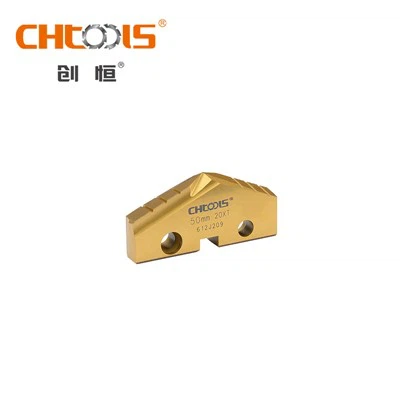
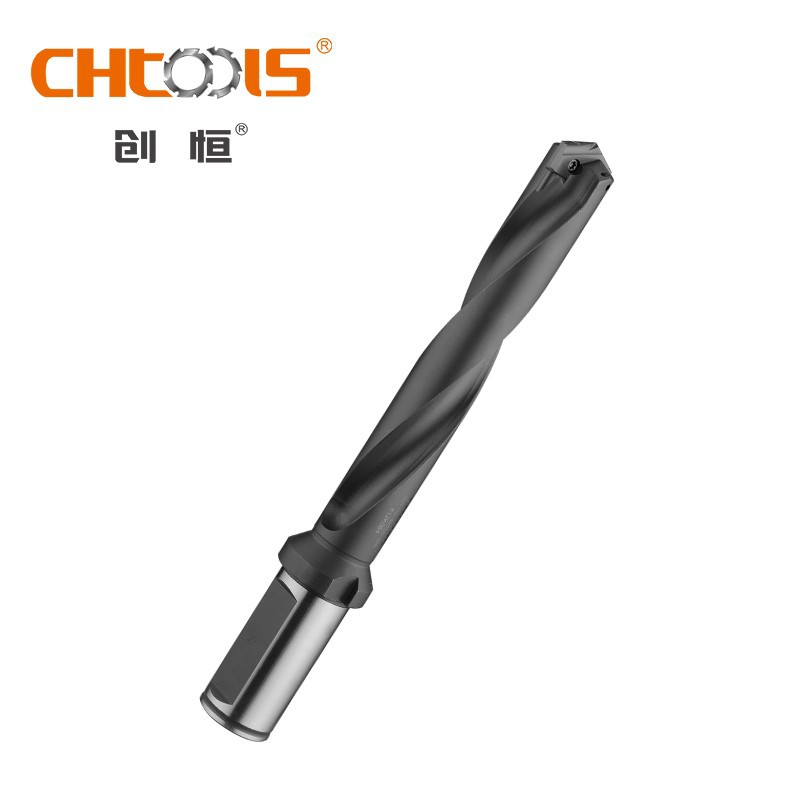
Insert Drills, also known as Insert Drill, are cutting tools that use replaceable inserts. These inserts are made from high - performance materials such as carbide, which can withstand high temperatures and pressures during the drilling process. The design of Insert Drills allows for easy replacement of the inserts when they become worn, reducing downtime and overall tooling costs.
The Indexable Drill Bit is a type of Insert Drill. It offers the advantage of indexability, which means that when one cutting edge of the insert wears out, the insert can be rotated to expose a fresh cutting edge. This feature significantly extends the tool life and enhances the cost - effectiveness of the drilling operation.
Advantages of Insert Drills for Mass Production
1. Cost - Efficiency
One of the most significant advantages of Insert Drills in mass production is cost - efficiency. When producing a large number of parts, the cost of tooling can quickly add up. With Insert Drills, instead of replacing the entire drill bit when the cutting edge is worn, you only need to replace the insert. This not only reduces the cost of tooling but also minimizes the waste generated.
For example, in a mass - production scenario where thousands of holes need to be drilled, the cost savings from using replaceable inserts can be substantial. The ability to index the inserts also means that each insert can be used multiple times, further stretching the tooling budget.

2. High - Speed Machining
Insert Drills are designed for high - speed machining. The carbide inserts used in these drills can handle high cutting speeds, which is essential for mass production. High - speed machining reduces the cycle time per part, allowing manufacturers to produce more parts in a shorter period.
Modern Insert Drills are engineered to maintain stability and accuracy even at high speeds. This stability is crucial for achieving consistent hole quality across a large number of parts. For instance, in the automotive industry, where mass production of engine components is common, Insert Drills can quickly and accurately drill holes with tight tolerances, ensuring the proper functioning of the engines.
3. Versatility
Insert Drills are highly versatile and can be used to drill a variety of materials, including steel, aluminum, cast iron, and non - ferrous metals. This versatility makes them suitable for a wide range of industries, from aerospace to general manufacturing.
In a mass - production environment, manufacturers often need to produce parts from different materials. With Insert Drills, they can use the same basic drill body and simply change the inserts according to the material being drilled. This reduces the need for multiple types of drill bits, streamlining the tooling inventory and making the production process more efficient.
4. Consistent Hole Quality
In mass production, maintaining consistent hole quality is of utmost importance. Insert Drills are designed to provide excellent hole quality, including accurate hole diameter, straightness, and surface finish. The use of high - quality carbide inserts ensures that the cutting edges remain sharp for a long time, resulting in consistent performance throughout the production run.
For example, in the production of printed circuit boards (PCBs), where precise holes are required for component mounting, Insert Drills can deliver the necessary accuracy and repeatability. The consistent hole quality also reduces the need for secondary operations, such as reaming, which can save time and cost in mass production.
Potential Limitations of Insert Drills in Mass Production
1. Initial Investment
While Insert Drills offer long - term cost savings, the initial investment can be relatively high compared to traditional drill bits. The drill body and the inserts need to be purchased, and in some cases, specialized tool holders may also be required.
For small - scale manufacturers or those with limited budgets, the upfront cost of Insert Drills may be a deterrent. However, it's important to consider the long - term cost savings and productivity gains when evaluating the overall cost - effectiveness of these tools.
2. Complexity of Setup
Insert Drills can be more complex to set up compared to traditional drill bits. The inserts need to be properly installed and indexed, and the cutting parameters, such as speed and feed, need to be carefully adjusted according to the material and the specific application.
In a mass - production environment, any setup errors can lead to inconsistent hole quality and reduced productivity. Therefore, operators need to be well - trained in the use and setup of Insert Drills. This training requirement can add to the overall cost and time associated with implementing Insert Drills in the production process.
3. Limited for Small - Diameter Holes
Insert Drills are generally not as suitable for drilling very small - diameter holes. The size of the insert and the drill body limits the minimum hole diameter that can be achieved. For applications that require holes with diameters less than a few millimeters, traditional twist drills may be a more appropriate choice.
In mass - production scenarios where small - diameter holes are common, such as in the electronics industry, manufacturers may need to use a combination of Insert Drills for larger holes and traditional drill bits for smaller holes.
Making the Decision: Are Insert Drills Right for Your Mass Production?
To determine whether Insert Drills are suitable for your mass - production needs, you need to consider several factors. First, evaluate the cost - benefit analysis. If the long - term cost savings from reduced tooling replacement and increased productivity outweigh the initial investment and setup costs, then Insert Drills are a good option.
Second, assess the complexity of your production process. If your production involves drilling a variety of materials and hole sizes, the versatility of Insert Drills can be a significant advantage. However, if you primarily need to drill small - diameter holes, you may need to look for alternative solutions.
Finally, consider the skill level of your operators. If your team is well - trained and experienced in using advanced cutting tools, the complexity of setting up Insert Drills may not be a major issue. On the other hand, if your operators are less experienced, additional training may be required.
Conclusion
In conclusion, Insert Drills offer many advantages for mass production, including cost - efficiency, high - speed machining, versatility, and consistent hole quality. However, they also have some limitations, such as high initial investment, setup complexity, and limited suitability for small - diameter holes.
As a supplier of Insert Drills, I'm confident that these tools can significantly enhance the productivity and profitability of your mass - production operations. If you're interested in learning more about how Insert Drills can benefit your specific manufacturing needs, or if you're looking to start a procurement discussion, please don't hesitate to reach out. We can provide you with detailed product information, technical support, and customized solutions to meet your requirements.
References
- Kalpakjian, S., & Schmid, S. R. (2014). Manufacturing Engineering and Technology. Pearson.
- Trent, E. M., & Wright, P. K. (2000). Metal Cutting. Butterworth - Heinemann.