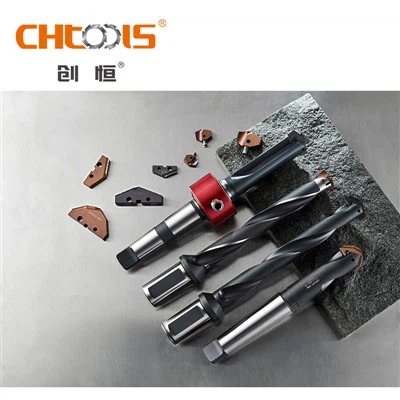
What is the vibration situation when using a Spade Drill Insert?
When it comes to metalworking and precision drilling, the Spade Drill Insert is a popular choice among manufacturers and machinists. As a supplier of Spade Drill Insert, I've had numerous conversations with customers about the performance and challenges they face during the drilling process. One of the most critical issues that often arises is the vibration situation when using a Spade Drill Insert. In this blog post, I'll delve into the factors that contribute to vibration, its effects on the drilling process, and how to mitigate it.


Understanding the Basics of Spade Drill Inserts
Before we dive into the vibration situation, let's briefly understand what a Spade Drill Insert is. A Spade Drill Insert is a cutting tool used in Indexable Drill and Insert Drill applications. It is designed to cut through various materials, including steel, aluminum, and cast iron, with high precision and efficiency. The insert is typically made of carbide or other hard materials, which provide excellent wear resistance and cutting performance.
Factors Contributing to Vibration
Several factors can contribute to vibration when using a Spade Drill Insert. Understanding these factors is crucial for identifying the root cause of the problem and implementing effective solutions.
- Tool Geometry: The geometry of the Spade Drill Insert plays a significant role in its vibration characteristics. Factors such as the rake angle, clearance angle, and cutting edge radius can affect the stability of the tool during the cutting process. A poorly designed tool geometry can lead to increased vibration and reduced cutting performance.
- Cutting Parameters: The cutting parameters, including the cutting speed, feed rate, and depth of cut, also have a significant impact on vibration. Using inappropriate cutting parameters can cause the tool to chatter, resulting in increased vibration and poor surface finish. For example, a high cutting speed or a large feed rate can put excessive stress on the tool, leading to vibration.
- Workpiece Material: The type and properties of the workpiece material can also influence the vibration situation. Different materials have different hardness, toughness, and machinability, which can affect the cutting forces and the stability of the tool. For instance, machining a hard and brittle material may require different cutting parameters and tool geometries compared to machining a soft and ductile material.
- Machine Tool Stability: The stability of the machine tool is another critical factor that can affect the vibration situation. A poorly maintained or unstable machine tool can transmit vibrations to the cutting tool, resulting in increased chatter and poor cutting performance. Ensuring that the machine tool is properly calibrated and maintained is essential for minimizing vibration.
Effects of Vibration on the Drilling Process
Excessive vibration during the drilling process can have several negative effects on the quality of the hole and the performance of the tool.
- Poor Surface Finish: Vibration can cause the cutting tool to chatter, resulting in a rough and uneven surface finish. This can be particularly problematic in applications where a high-quality surface finish is required, such as in aerospace and automotive manufacturing.
- Reduced Tool Life: Vibration can also increase the wear and tear on the cutting tool, reducing its lifespan. The constant impact and stress caused by vibration can cause the cutting edge to chip or break, leading to premature tool failure.
- Inaccurate Hole Dimensions: Vibration can cause the drill to wander or deflect during the drilling process, resulting in inaccurate hole dimensions. This can lead to parts that do not fit properly or meet the required specifications, increasing the scrap rate and production costs.
- Noise and Operator Fatigue: Excessive vibration can also generate a significant amount of noise, which can be a nuisance to the operator and may even pose a health risk. Additionally, the constant vibration can cause operator fatigue, reducing productivity and increasing the risk of accidents.
Mitigating Vibration
To mitigate vibration when using a Spade Drill Insert, several strategies can be employed.
- Optimize Tool Geometry: Working with a knowledgeable tool manufacturer to optimize the tool geometry can significantly reduce vibration. This may involve adjusting the rake angle, clearance angle, and cutting edge radius to improve the stability of the tool during the cutting process.
- Select Appropriate Cutting Parameters: Choosing the right cutting parameters is crucial for minimizing vibration. This may involve reducing the cutting speed, feed rate, or depth of cut to reduce the cutting forces and improve the stability of the tool. It is also important to ensure that the cutting parameters are compatible with the workpiece material and the machine tool.
- Use Vibration-Damping Technologies: There are several vibration-damping technologies available that can help reduce vibration during the drilling process. These include using vibration-damping tool holders, anti-chatter inserts, and damping materials. These technologies can absorb and dissipate the vibrations, reducing the impact on the cutting tool and improving the quality of the hole.
- Improve Machine Tool Stability: Ensuring that the machine tool is properly calibrated and maintained is essential for minimizing vibration. This may involve checking the alignment of the spindle, the rigidity of the machine structure, and the condition of the bearings and guides. Regular maintenance and lubrication of the machine tool can also help reduce vibration and improve its performance.
Conclusion
In conclusion, understanding the vibration situation when using a Spade Drill Insert is crucial for achieving high-quality drilling results and maximizing the performance of the tool. By identifying the factors that contribute to vibration, understanding its effects on the drilling process, and implementing effective mitigation strategies, manufacturers and machinists can minimize vibration and improve the efficiency and productivity of their operations.
As a supplier of Spade Drill Insert, we are committed to providing our customers with high-quality cutting tools and technical support. If you have any questions or concerns about the vibration situation when using our Spade Drill Inserts, or if you would like to learn more about our products and services, please feel free to contact us. We look forward to working with you to meet your drilling needs and help you achieve your production goals.
References
- Boothroyd, G., & Knight, W. A. (2006). Fundamentals of machining and machine tools. CRC Press.
- Trent, E. M., & Wright, P. K. (2000). Metal cutting. Butterworth-Heinemann.
- Stephenson, D. A., & Agapiou, J. S. (2006). Metal cutting theory and practice. CRC Press.