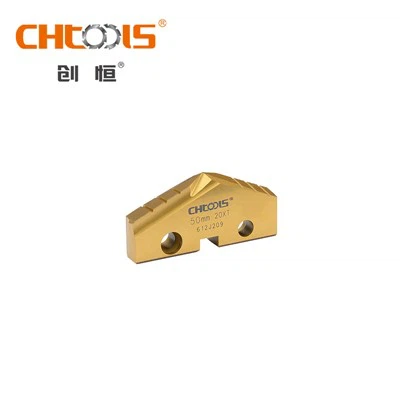
When it comes to the world of drilling tools, spade drills hold a significant place due to their efficiency and versatility. As a seasoned spade drill supplier, I've had the privilege of working closely with these remarkable tools, understanding their nuances, and helping customers make informed decisions. One crucial aspect that often comes up in discussions is the shank type of a spade drill. In this blog post, I'll delve into the different shank types of spade drills, their characteristics, and how they impact the overall performance of the drill.
Understanding the Basics of Spade Drills
Before we dive into the shank types, let's briefly recap what a spade drill is. A spade drill is a type of drill bit that consists of a blade (or spade) attached to a shank. The blade is typically made of carbide or high - speed steel and is designed to cut through various materials such as metal, wood, and plastic. Spade drills are known for their ability to drill large - diameter holes quickly and with relatively high precision. They are commonly used in industries like automotive, aerospace, and general manufacturing.


Importance of the Shank Type
The shank of a spade drill serves as the interface between the drill and the drilling machine. It is responsible for transmitting the torque and axial force from the machine to the cutting blade. The right shank type ensures proper alignment, stability, and efficient power transfer during the drilling process. Choosing an inappropriate shank type can lead to issues such as poor hole quality, reduced tool life, and even damage to the drilling machine.
Common Shank Types of Spade Drills
Straight Shank
The straight shank is one of the most common shank types for spade drills. As the name suggests, it has a cylindrical shape with a constant diameter along its length. Straight shanks are relatively simple and easy to manufacture, which makes them cost - effective. They are typically used in drill presses, hand drills, and some milling machines.
One of the advantages of a straight shank is its versatility. It can be easily adapted to different collets or chucks, allowing for use in a wide range of drilling equipment. However, straight shanks may not provide the same level of torque transmission as some other shank types, especially when drilling large - diameter holes or in tough materials. This is because the connection between the straight shank and the chuck relies on friction, which can slip under high - load conditions.
Morse Taper Shank
Morse taper shanks are designed to fit into Morse taper sockets on drilling machines. The taper provides a self - centering and secure connection between the drill and the machine. This type of shank is widely used in drill presses and some larger milling machines.
The main advantage of a Morse taper shank is its excellent torque transmission capabilities. The tapered fit ensures that the drill is firmly held in place, even under high - torque applications. This results in more stable drilling and better hole quality. Additionally, Morse taper shanks are relatively easy to install and remove, which is convenient for tool changes. However, Morse taper shanks are less versatile than straight shanks, as they require a specific Morse taper socket on the machine.
Hex Shank
Hex shanks have a hexagonal cross - section. They are commonly used in power drills, impact drivers, and some CNC machines. The hexagonal shape provides a positive drive, which means that it can transmit torque more effectively than a straight shank.
Hex shanks are easy to grip and are less likely to slip in the chuck compared to straight shanks. This makes them suitable for high - speed drilling and applications where a quick and secure tool change is required. However, hex shanks may not be as precise as Morse taper shanks in terms of centering, which can affect the hole quality in some cases.
Factors to Consider When Choosing a Shank Type
When selecting the shank type for a spade drill, several factors need to be considered:
Drilling Machine Compatibility
The first and most important factor is the compatibility with your drilling machine. You need to ensure that the shank type of the drill can fit into the chuck or socket of your machine. For example, if you have a drill press with a Morse taper socket, you should choose a spade drill with a Morse taper shank.
Application Requirements
The nature of your drilling application also plays a crucial role. If you are drilling small - diameter holes at low speeds, a straight shank may be sufficient. However, for large - diameter holes or high - torque applications, a Morse taper shank or a hex shank may be more appropriate.
Hole Quality
If you require high - precision holes, a shank type that provides good centering and stability is essential. Morse taper shanks are generally better in this regard compared to straight or hex shanks.
Our Product Offerings
As a spade drill supplier, we offer a wide range of spade drills with different shank types to meet the diverse needs of our customers. Our Spade Drill Insert is designed with high - quality carbide inserts, ensuring excellent cutting performance and long tool life. We also have Indexable Drill options that provide easy insert replacement and cost - effective operation. For those who are looking for top - notch cutting materials, our Carbide Insert Of Spade Drill is a great choice.
Conclusion
The shank type of a spade drill is a critical factor that can significantly impact the performance and efficiency of the drilling process. By understanding the different shank types, their characteristics, and the factors to consider when choosing one, you can make an informed decision that meets your specific drilling needs. Whether you are a professional in the manufacturing industry or a DIY enthusiast, selecting the right spade drill with the appropriate shank type is essential for achieving high - quality results.
If you are interested in our spade drill products or have any questions about shank types or other aspects of spade drills, please feel free to contact us. We are always ready to assist you in finding the best solutions for your drilling requirements.
References
- "Machining Handbook" by Industrial Press Inc.
- "Cutting Tool Engineering" magazine articles on drill bit technology.