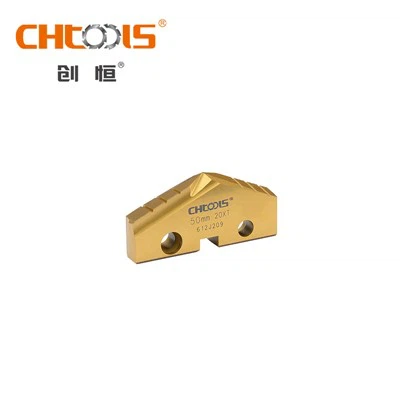
When it comes to the performance of HSS (High-Speed Steel) mini hole saws in cold weather, several factors come into play. As a supplier of HSS mini hole saws, I've had the opportunity to observe and understand how these tools behave under different environmental conditions, especially in cold temperatures.
Material Properties of HSS in Cold Weather
HSS is a popular choice for hole saws due to its high hardness, wear resistance, and ability to maintain its cutting edge at high temperatures. However, in cold weather, the material properties of HSS can be affected. At low temperatures, HSS becomes more brittle. This brittleness is a result of the reduced mobility of the atoms in the steel lattice. When the temperature drops, the energy available for atomic movement decreases, making the material less able to deform plastically.


For example, if a HSS mini hole saw is used to cut through a metal sheet in cold weather, the increased brittleness can lead to a higher risk of tooth breakage. When the saw teeth encounter resistance from the material being cut, instead of bending slightly to accommodate the force, they are more likely to crack or break off. This not only reduces the cutting efficiency of the hole saw but also shortens its lifespan.
Cutting Performance
The cutting performance of HSS mini hole saws in cold weather is significantly influenced by the change in material properties. One of the key aspects of cutting performance is the cutting speed. In cold conditions, the reduced ductility of the workpiece material, combined with the brittleness of the HSS saw, can slow down the cutting process.
When cutting through metals such as stainless steel or aluminum in cold weather, the chips produced during the cutting process may be more irregular and difficult to evacuate. The cold temperature can cause the chips to become more brittle and break into smaller pieces, which can clog the gullets of the hole saw. This clogging restricts the flow of coolant and lubricant, further increasing the friction between the saw and the workpiece. As a result, the cutting force required to make a hole increases, and the saw may experience more vibration and heat generation.
Another factor affecting cutting performance is the quality of the cut. In cold weather, the increased brittleness of the HSS saw can lead to a rougher cut surface. The saw teeth may not be able to cut smoothly through the material, resulting in jagged edges and uneven holes. This can be a significant issue, especially in applications where a high-quality finish is required, such as in the manufacturing of precision components.
Lubrication and Cooling
Lubrication and cooling are crucial for the performance of HSS mini hole saws, especially in cold weather. In normal conditions, lubricants help to reduce friction between the saw and the workpiece, prevent chip adhesion, and dissipate heat. However, in cold temperatures, the viscosity of lubricants can increase, making it more difficult for them to flow and reach the cutting edge.
Some lubricants may even solidify or become too thick to provide effective lubrication in extremely cold conditions. This can lead to increased wear on the saw teeth and a decrease in cutting efficiency. To overcome this problem, it is important to use lubricants specifically designed for cold weather applications. These lubricants have a lower viscosity at low temperatures and can maintain their lubricating properties even in cold environments.
Cooling is also essential to prevent the HSS saw from overheating. In cold weather, the ambient temperature may seem sufficient to cool the saw, but the increased friction and heat generation during the cutting process can still cause the saw to reach high temperatures. Using a coolant can help to dissipate this heat and keep the saw at a safe operating temperature. However, like lubricants, coolants can also be affected by cold weather. Some coolants may freeze or become less effective at low temperatures, so it is important to choose a coolant that is suitable for cold conditions.
Storage and Maintenance
Proper storage and maintenance of HSS mini hole saws are crucial to ensure their performance in cold weather. When not in use, the saws should be stored in a dry and warm place to prevent them from being exposed to cold and moisture. Moisture can cause rusting, which can damage the saw teeth and reduce their cutting performance.
Before using the saw in cold weather, it is important to inspect it for any signs of damage or wear. The saw teeth should be sharp and free from cracks or chips. If the saw has been stored in a cold environment, it should be allowed to warm up to room temperature before use. This can help to reduce the risk of tooth breakage due to the sudden change in temperature.
Regular maintenance is also important to keep the saw in good condition. After each use, the saw should be cleaned to remove any chips, debris, or lubricant. The saw teeth should be inspected for wear and sharpened if necessary. By following these maintenance procedures, the lifespan of the HSS mini hole saw can be extended, and its performance in cold weather can be improved.
Metal Hole Saw
At our company, we offer a wide range of Metal Hole Saw products designed to perform well in various environmental conditions, including cold weather. Our HSS mini hole saws are made from high-quality materials and are manufactured using advanced technology to ensure durability and cutting efficiency.
We understand the challenges that come with using hole saws in cold weather, and we are committed to providing our customers with the best solutions. Our team of experts can provide advice on the selection of the right hole saw for your specific application, as well as tips on lubrication, cooling, storage, and maintenance.
If you are interested in learning more about our HSS mini hole saws or have any questions about their performance in cold weather, please feel free to contact us. We would be happy to discuss your needs and provide you with the information you need to make an informed decision. Whether you are a professional contractor, a DIY enthusiast, or a manufacturer, we can help you find the right hole saw for your project.
References
- ASM Handbook Volume 1: Properties and Selection: Irons, Steels, and High-Performance Alloys
- Machining Fundamentals: An Introduction to Cutting Processes by Mikell P. Groover
- Cutting Tool Engineering Handbook by Robert K. Kremer