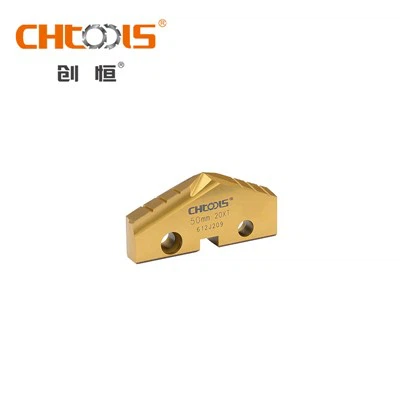
As a supplier of solid rail cutters, I've encountered numerous inquiries regarding the lubrication requirements of these essential tools. Understanding the proper lubrication for solid rail cutters is crucial for ensuring their optimal performance, longevity, and the quality of the cutting process. In this blog, I'll delve into the ins and outs of lubrication requirements for solid rail cutters, exploring the why, what, and how.
Why Lubrication is Necessary for Solid Rail Cutters
Solid rail cutters are used to cut through various types of rails, which often involve high levels of friction and heat generation during the cutting process. Without proper lubrication, several issues can arise. Firstly, excessive friction can lead to rapid wear and tear of the cutter's cutting edges. This not only reduces the cutter's lifespan but also affects the quality of the cut, resulting in rough edges and inaccurate dimensions.
Secondly, the heat generated by friction can cause the cutter to overheat. High temperatures can alter the metallurgical properties of the cutter material, such as high - speed steel (HSS), which is commonly used in solid rail cutters. Overheating can lead to softening of the cutter, further accelerating wear and potentially causing the cutter to fail prematurely.
Lubrication helps to reduce friction between the cutter and the rail, thereby minimizing heat generation. It also acts as a coolant, dissipating the heat that is still generated during the cutting process. Additionally, lubrication can help to flush away chips and debris from the cutting area, preventing them from interfering with the cutting action and causing damage to the cutter.
Types of Solid Rail Cutters and Their Lubrication Needs
There are different types of solid rail cutters available in the market, each with its own unique design and application requirements. Two common types are the HSS Integral Type Solid Rail Cutter and the HSS Split Type Solid Rail Cutter.
HSS Integral Type Solid Rail Cutter
The HSS integral type solid rail cutter is a one - piece design, which offers high rigidity and strength. These cutters are often used for heavy - duty cutting applications where precision and durability are essential. Due to their integral design, they can generate a significant amount of heat during cutting, especially when cutting through hard - to - machine rails.
For HSS integral type solid rail cutters, a high - quality cutting fluid with excellent lubricating and cooling properties is recommended. Synthetic cutting fluids are a popular choice as they offer superior performance in terms of heat dissipation and friction reduction. They also have good anti - corrosion properties, which can protect the cutter from rust and other forms of corrosion.
HSS Split Type Solid Rail Cutter
The HSS split type solid rail cutter consists of multiple parts that can be disassembled and reassembled. This design allows for easier maintenance and replacement of worn parts. These cutters are suitable for applications where flexibility and quick tool changes are required.
When it comes to lubrication, HSS split type solid rail cutters also benefit from the use of cutting fluids. However, due to their split design, care must be taken to ensure that the lubricant reaches all the critical cutting areas. In some cases, a mist lubrication system may be more appropriate as it can provide better coverage and penetration into the small gaps and spaces within the split cutter.
Choosing the Right Lubricant
Selecting the right lubricant for solid rail cutters is a critical decision that can significantly impact the performance and lifespan of the cutters. Here are some factors to consider when choosing a lubricant:
Lubricating Properties
The primary function of the lubricant is to reduce friction between the cutter and the rail. Look for a lubricant that has high film strength, which means it can maintain a thin, protective film between the two surfaces even under high pressure. This helps to prevent direct metal - to - metal contact and reduces wear.
Cooling Properties
As mentioned earlier, heat generation is a major concern during the cutting process. A good lubricant should have excellent cooling properties to dissipate the heat effectively. This can help to prevent overheating of the cutter and maintain its hardness and cutting performance.
Compatibility with the Cutter Material
The lubricant should be compatible with the material of the solid rail cutter. For HSS cutters, most cutting fluids are compatible, but it's still important to check the manufacturer's recommendations. Some lubricants may contain chemicals that can react with the cutter material, causing corrosion or other forms of damage.
Environmental Considerations
In today's environmentally conscious world, it's important to consider the environmental impact of the lubricant. Look for biodegradable and non - toxic lubricants that can minimize the environmental footprint of your cutting operations.
Lubrication Methods
There are several methods of applying lubricant to solid rail cutters, each with its own advantages and disadvantages.
Flood Lubrication
Flood lubrication involves continuously flooding the cutting area with a large volume of cutting fluid. This method provides excellent cooling and lubrication, as the fluid can effectively flush away chips and debris. However, it can be wasteful in terms of lubricant consumption and may require a more complex fluid management system to collect and recycle the used fluid.
Mist Lubrication
Mist lubrication uses a fine mist of lubricant that is sprayed onto the cutting area. This method requires less lubricant compared to flood lubrication and can provide good coverage of the cutting edges. Mist lubrication is also suitable for applications where access to the cutting area is limited. However, it may not be as effective in cooling the cutter as flood lubrication, especially during heavy - duty cutting operations.
Minimum Quantity Lubrication (MQL)
Minimum quantity lubrication is a more recent innovation that uses a very small amount of lubricant, typically in the form of a fine oil mist. MQL systems are designed to deliver the lubricant precisely to the cutting zone, minimizing waste and reducing environmental impact. This method can provide good lubrication and cooling while using significantly less lubricant than traditional methods.
Maintenance and Monitoring
Proper maintenance and monitoring of the lubrication system are essential for ensuring the continued performance of solid rail cutters. Here are some tips:
Regularly Check the Lubricant Level
Make sure to check the level of the lubricant in the reservoir regularly. Low lubricant levels can lead to insufficient lubrication and cooling, which can cause premature wear and damage to the cutter.
Monitor the Quality of the Lubricant
Over time, the lubricant can become contaminated with chips, debris, and other impurities. Regularly check the quality of the lubricant and replace it when necessary. Contaminated lubricant can reduce its effectiveness and may even cause damage to the cutter.


Inspect the Lubrication System
Periodically inspect the lubrication system, including the pipes, nozzles, and pumps, for any signs of damage or blockage. A malfunctioning lubrication system can lead to inconsistent lubrication, which can affect the cutting performance and quality.
Conclusion
In conclusion, understanding the lubrication requirements of solid rail cutters is essential for achieving optimal performance and longevity. By choosing the right lubricant, applying it using the appropriate method, and maintaining the lubrication system properly, you can ensure that your solid rail cutters operate efficiently and produce high - quality cuts.
If you're in the market for solid rail cutters or have any questions about their lubrication requirements, I encourage you to reach out to us. We're here to provide you with the best solutions and support for your cutting needs. Whether you're a small - scale workshop or a large - scale industrial operation, we can help you find the right solid rail cutters and lubrication solutions to meet your specific requirements. Contact us today to start a discussion about your procurement needs and let's work together to achieve the best results.
References
- "Cutting Tool Technology" by Peter Childs
- "Manufacturing Engineering and Technology" by Serope Kalpakjian and Steven Schmid