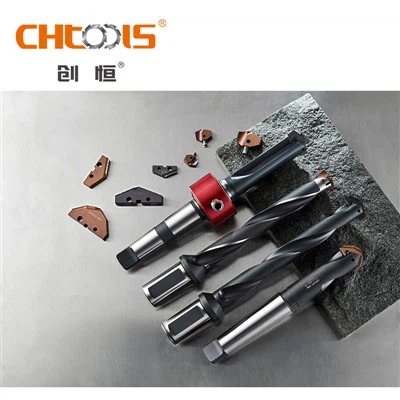
Hey there! As a supplier of Insert Drills, I often get asked about the lifespan of these handy tools. It's a crucial question, especially for those in the manufacturing and machining industries. After all, knowing how long an Insert Drill will last can help you plan your projects, budget your expenses, and make informed purchasing decisions. So, let's dive into what affects the lifespan of an Insert Drill and how you can make the most of it.
What is an Insert Drill?
Before we talk about lifespan, let's quickly go over what an Insert Drill is. An Insert Drill, also known as an Indexable Drill, is a cutting tool used in machining operations. It consists of a drill body and replaceable inserts. The inserts are the part that does the actual cutting, and they can be replaced when they wear out, which is a big advantage over traditional drill bits. This design allows for cost - effective and efficient drilling, as you don't have to replace the entire drill when the cutting edges get dull.
Factors Affecting the Lifespan of an Insert Drill
1. Material of the Workpiece
The type of material you're drilling into plays a huge role in how long your Insert Drill will last. Softer materials like aluminum or brass are much easier on the drill inserts. The cutting edges don't have to work as hard, and there's less wear and tear. On the other hand, harder materials such as stainless steel, titanium, or hardened steel can be extremely tough on the inserts. These materials require more force to cut through, generating more heat and causing the inserts to wear out faster.
For example, if you're drilling a batch of aluminum parts, your Insert Drill might last for hundreds or even thousands of holes. But if you switch to drilling stainless steel, you might notice a significant drop in the number of holes you can drill before the inserts need to be replaced.
2. Cutting Parameters
The cutting parameters you use, such as cutting speed, feed rate, and depth of cut, have a direct impact on the lifespan of your Insert Drill. If you set the cutting speed too high, the inserts will heat up quickly. Excessive heat can cause the cutting edges to lose their hardness and wear out prematurely. Similarly, if the feed rate is too high, the inserts will experience more stress, leading to chipping or breakage.
On the flip side, if the cutting speed is too low, the drill might not cut efficiently, and the inserts will rub against the workpiece instead of cutting it cleanly. This can also lead to increased wear. Finding the right balance of cutting parameters for your specific workpiece material and drill is key to maximizing the lifespan of your Insert Drill.
3. Quality of the Inserts
Not all inserts are created equal. The quality of the inserts you use in your Insert Drill can make a huge difference in how long they last. High - quality inserts are made from better materials and have more precise geometries. They're designed to withstand the rigors of cutting and maintain their cutting edges for longer periods.
When you're shopping for inserts, look for well - known brands that have a reputation for quality. You might pay a bit more upfront, but in the long run, you'll save money because you won't have to replace the inserts as often. For the best results, consider using Best Indexable Drill inserts, which are engineered for optimal performance and longevity.
4. Coolant and Lubrication
Using the right coolant and lubrication is essential for extending the lifespan of your Insert Drill. Coolant helps to reduce the heat generated during the cutting process. When the inserts stay cool, they're less likely to wear out or break. It also helps to flush away the chips produced during drilling, preventing them from getting stuck between the insert and the workpiece, which can cause damage.
Lubrication, on the other hand, reduces friction between the insert and the workpiece. This makes the cutting process smoother and more efficient, reducing the stress on the inserts. Make sure you use the appropriate coolant and lubrication for your specific workpiece material and drilling operation.

5. Machine Rigidity
The rigidity of the machine you're using to drill also affects the lifespan of your Insert Drill. A rigid machine provides a stable platform for the drill, ensuring that the cutting forces are evenly distributed across the inserts. If the machine is not rigid enough, it can cause vibrations during the drilling process. These vibrations can lead to uneven wear on the inserts, chipping, or even breakage.
Before you start drilling, make sure your machine is properly maintained and calibrated. Check for any loose parts or worn - out components that could affect its rigidity. A well - maintained machine will help you get the most out of your Insert Drill.
How to Extend the Lifespan of an Insert Drill
1. Select the Right Inserts
As mentioned earlier, the quality of the inserts is crucial. Choose inserts that are specifically designed for the material you're drilling. Different inserts have different coatings and geometries that are optimized for different materials. For example, if you're drilling aluminum, you might want to use inserts with a sharp cutting edge and a special coating that reduces friction. If you're drilling stainless steel, look for inserts that are more heat - resistant.
2. Optimize Cutting Parameters
Take the time to find the optimal cutting parameters for your workpiece and drill. You can refer to the manufacturer's recommendations, but you might also need to do some testing to fine - tune the settings. Start with conservative settings and gradually increase the cutting speed and feed rate until you find the sweet spot where the drill cuts efficiently without causing excessive wear on the inserts.
3. Use Proper Coolant and Lubrication
Make sure you have a good coolant and lubrication system in place. Check the coolant level regularly and make sure it's clean. Replace the coolant as recommended by the manufacturer. Also, use the right type of lubricant for your application. Some coolants also have lubricating properties, so make sure you're using a product that combines both functions effectively.
4. Maintain Your Machine
Regularly maintain your drilling machine. Check the spindle for runout, make sure the chuck is tightened properly, and lubricate all moving parts. A well - maintained machine will provide a stable and accurate drilling environment, which is essential for extending the lifespan of your Insert Drill.
5. Inspect and Replace Inserts Regularly
Keep an eye on the condition of your inserts. Look for signs of wear, such as dull cutting edges, chipping, or excessive heat discoloration. Replace the inserts as soon as you notice significant wear. Continuing to use worn - out inserts can not only reduce the quality of your drilling but also cause damage to the drill body and the workpiece.
Conclusion
The lifespan of an Insert Drill can vary widely depending on several factors, including the material of the workpiece, cutting parameters, quality of the inserts, coolant and lubrication, and machine rigidity. By understanding these factors and taking the necessary steps to optimize them, you can significantly extend the lifespan of your Insert Drill.
If you're in the market for high - quality Insert Drills or Indexable Drill Bit, we're here to help. We offer a wide range of Insert Drills and inserts that are designed to meet the needs of various machining applications. Whether you're a small - scale workshop or a large - scale manufacturing facility, we can provide you with the right tools for the job.
Don't hesitate to reach out if you have any questions or if you're interested in discussing your specific requirements. We're always happy to help you find the best solutions for your drilling needs. Let's work together to make your machining operations more efficient and cost - effective!
References
- "Machining Handbook" by Industrial Press Inc.
- Manufacturer's guidelines for Insert Drills and inserts.
- Industry research on cutting tool performance and lifespan.