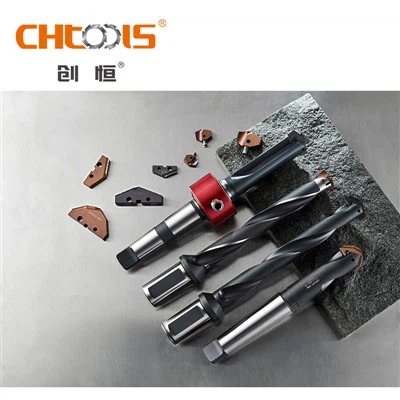
Hey there! As a supplier of spiral flute taps, I often get asked about the tool life of these nifty little gadgets. So, I thought I'd sit down and write a blog post to shed some light on this topic. In this post, I'll explain what affects the flute thread tapping tool life of a spiral flute tap, how you can extend it, and why it matters for your operations.
First off, let's talk about what a spiral flute tap is. A spiral flute tap, also known as a Spiral Tap, is a cutting tool used to create internal threads in a pre-drilled hole. The spiral flutes on the tap help to evacuate chips from the hole as you're tapping, which reduces the risk of chip clogging and improves the quality of the threads. These taps are commonly used in various industries, including automotive, aerospace, and manufacturing.
Now, let's dive into the factors that affect the tool life of a spiral flute tap.
Material of the Workpiece
One of the most significant factors that influence the tool life of a spiral flute tap is the material of the workpiece. Different materials have different hardness, toughness, and machinability, which can all impact how well the tap performs and how long it lasts.


For example, tapping into soft materials like aluminum or brass is generally easier on the tap compared to harder materials like stainless steel or titanium. Soft materials are more ductile, which means they deform more easily under the cutting forces of the tap. This results in less wear and tear on the tap's cutting edges, allowing it to last longer.
On the other hand, hard materials are more difficult to cut. They have higher strength and hardness, which can cause the tap's cutting edges to wear out more quickly. In some cases, the tap may even break or chip if the cutting forces are too high. When tapping hard materials, it's essential to use a tap made from a high-quality, wear-resistant material and to choose the right cutting parameters.
Cutting Parameters
The cutting parameters you use when tapping also play a crucial role in determining the tool life of a spiral flute tap. The three main cutting parameters are cutting speed, feed rate, and depth of cut.
- Cutting Speed: The cutting speed refers to how fast the tap rotates while cutting the threads. If the cutting speed is too high, the tap can overheat, which can cause the cutting edges to wear out or even melt. On the other hand, if the cutting speed is too low, the tap may not cut efficiently, leading to increased cutting forces and premature wear. It's important to find the right cutting speed for the material you're tapping and the type of tap you're using.
- Feed Rate: The feed rate is the distance the tap advances into the workpiece per revolution. A proper feed rate is essential for ensuring that the tap cuts the threads correctly and efficiently. If the feed rate is too high, the tap may break or chip. If the feed rate is too low, the tap may rub against the workpiece, causing excessive wear.
- Depth of Cut: The depth of cut refers to how deep the tap cuts into the workpiece. When tapping, it's important to use the correct depth of cut to avoid overloading the tap. If the depth of cut is too deep, the tap may experience excessive cutting forces, leading to premature wear or breakage.
Lubrication and Cooling
Lubrication and cooling are also critical factors in extending the tool life of a spiral flute tap. Using the right lubricant can reduce friction between the tap and the workpiece, which helps to prevent wear on the tap's cutting edges. Lubricants also help to cool the tap, which can prevent overheating and prolong its life.
There are different types of lubricants available for tapping, including cutting oils, emulsions, and dry lubricants. The choice of lubricant depends on the material you're tapping and the specific requirements of your application. For example, when tapping aluminum, a light cutting oil may be sufficient. However, when tapping stainless steel, a more heavy-duty lubricant may be needed.
In addition to lubrication, proper cooling can also help to extend the tool life of a spiral flute tap. Some tapping operations use coolant systems to keep the tap and the workpiece cool during the cutting process. Coolant helps to remove heat from the cutting zone, reducing the risk of thermal damage to the tap.
Tap Quality and Coating
The quality of the tap itself and any coatings it may have can also significantly impact its tool life. High-quality taps are made from premium materials and are manufactured to precise tolerances. They have sharp cutting edges and a well-designed flute geometry, which allows for efficient chip evacuation and smooth cutting.
Coatings can also enhance the performance and tool life of a spiral flute tap. Common coatings include titanium nitride (TiN), titanium carbonitride (TiCN), and aluminum titanium nitride (AlTiN). These coatings provide a hard, wear-resistant surface that can reduce friction, improve chip flow, and protect the tap from corrosion.
How to Extend the Tool Life of a Spiral Flute Tap
Now that we've discussed the factors that affect the tool life of a spiral flute tap, let's talk about some practical tips on how you can extend it.
- Choose the Right Tap: Select a tap that is specifically designed for the material you're tapping. Consider factors such as the tap's material, flute geometry, and coating.
- Optimize Cutting Parameters: Adjust the cutting speed, feed rate, and depth of cut based on the material and the tap you're using. Consult the tap manufacturer's recommendations for the best cutting parameters.
- Use Proper Lubrication and Cooling: Apply the right lubricant and, if necessary, use a coolant system to keep the tap and the workpiece cool during the cutting process.
- Inspect the Tap Regularly: Check the tap for signs of wear, such as dull cutting edges or chipping. Replace the tap as soon as it shows significant wear to avoid producing poor-quality threads or damaging the workpiece.
- Store the Taps Properly: When not in use, store the taps in a clean, dry place to prevent corrosion and damage.
Why Tool Life Matters
The tool life of a spiral flute tap matters for several reasons. First and foremost, it directly affects your production costs. A tap with a longer tool life means you'll have to replace it less frequently, which can save you money on tooling expenses.
Secondly, a tap with a good tool life can improve the quality of your threads. As a tap wears out, the quality of the threads it produces can deteriorate. This can lead to issues such as loose or stripped threads, which can affect the functionality and reliability of your products.
Finally, longer tool life can increase your productivity. When you don't have to stop your production process frequently to replace worn-out taps, you can keep your operations running smoothly and efficiently.
In conclusion, the flute thread tapping tool life of a spiral flute tap is influenced by several factors, including the material of the workpiece, cutting parameters, lubrication and cooling, tap quality, and coating. By understanding these factors and taking the necessary steps to extend the tool life of your taps, you can save money, improve the quality of your products, and increase your productivity.
If you're in the market for high-quality spiral flute taps or have any questions about tap tool life, feel free to reach out to us. We're here to help you find the right taps for your needs and provide you with expert advice on how to get the most out of them. Let's start a conversation and see how we can work together to improve your tapping operations.
References
- "Machining Handbook," Industrial Press Inc.
- Manufacturer's technical documents on spiral flute taps.
- Industry research papers on tapping operations and tool life.