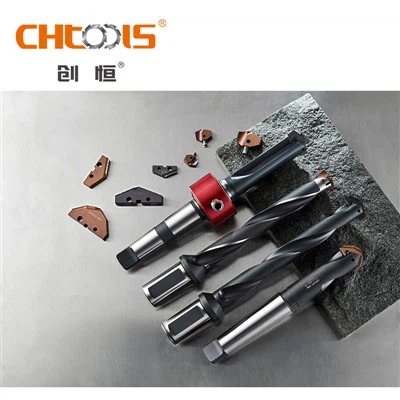
Hey there! As a supplier of spiral flute taps, I've seen firsthand the importance of understanding the performance differences between various types. In this blog, I'll share some insights on the flute thread tapping performance comparison of different spiral flute taps.
What are Spiral Flute Taps?
First off, let's quickly go over what spiral flute taps are. Spiral flute taps have flutes that are twisted in a spiral shape. This design allows the tap to effectively evacuate chips from the hole as it cuts the threads. It's a crucial feature, especially when working with materials that produce long, stringy chips.
Performance Factors
When comparing the flute thread tapping performance of different spiral flute taps, several factors come into play.
1. Material Compatibility
Different materials require different tap designs. For example, tapping aluminum is quite different from tapping stainless steel. Aluminum is a soft material that produces long chips. A spiral flute tap with a high helix angle is great for aluminum because it can quickly and efficiently remove the chips from the hole. On the other hand, stainless steel is a tough and gummy material. A tap with a lower helix angle and a more robust cutting edge is needed to handle the high cutting forces and prevent the chips from clogging the flutes.
2. Helix Angle
The helix angle of a spiral flute tap is a key factor in its performance. A higher helix angle (usually around 45 - 60 degrees) is ideal for through holes. It allows for rapid chip evacuation, reducing the risk of chip jams and breakage. For blind holes, a lower helix angle (around 20 - 30 degrees) is often preferred. This is because it can push the chips forward into the bottom of the hole, rather than trying to pull them out.
3. Coating
Coatings can significantly improve the performance of spiral flute taps. Titanium nitride (TiN) coating is one of the most common. It provides a hard, wear - resistant surface that reduces friction and extends the tool's life. TiAlN (Titanium Aluminum Nitride) coating is even better for high - speed tapping or when working with hard materials. It has excellent thermal stability and can withstand higher cutting temperatures.
Comparison of Different Sizes
Let's take a look at how different sizes of spiral flute taps perform.
Small - Size Taps (e.g., M3)
The M3 Spiral Flute Tap is often used for delicate work, such as in electronics or precision machinery. These taps need to have sharp cutting edges to create fine threads. Due to their small size, they are more prone to breakage, especially if the chips are not properly evacuated. The helix angle should be carefully chosen to ensure smooth chip removal without putting too much stress on the tap.
Medium - Size Taps (e.g., M4)
The M4 Spiral Flute Tap is a more commonly used size. It offers a good balance between strength and the ability to cut threads accurately. When compared to the M3 tap, it can handle slightly higher cutting forces. However, the helix angle and coating still play important roles. A well - coated M4 tap can last a long time and produce high - quality threads in a variety of materials.


Real - World Scenarios
In a production environment, the performance of spiral flute taps can make or break a project. Let's say you're in a manufacturing plant where you need to tap a large number of holes in an aluminum block. Using a high - helix spiral flute tap will ensure that the chips are quickly removed, reducing the cycle time and minimizing the risk of tap breakage. This means more parts can be produced in less time, increasing overall productivity.
On the other hand, if you're working on a small - scale job, like crafting a custom piece of jewelry, a small - sized spiral flute tap with a precise tip and the right helix angle is essential. You need to create clean, accurate threads without damaging the delicate material.
The Importance of Quality
As a supplier, I know that the quality of the spiral flute tap matters a great deal. A well - made tap will have a consistent helix angle, sharp cutting edges, and a high - quality coating. These features ensure better performance, longer tool life, and higher - quality threads.
Investing in a good quality tap may cost a bit more upfront, but it will save you money in the long run. You'll have fewer tap breakages, less downtime for tool changes, and a higher yield of good - quality parts.
Conclusion
In conclusion, the flute thread tapping performance of different spiral flute taps varies depending on factors like material compatibility, helix angle, and coating. Whether you're using a small - sized M3 Spiral Flute Tap for precision work or a medium - sized M4 Spiral Flute Tap for general manufacturing, understanding these performance differences is crucial.
If you're in the market for high - quality spiral flute taps, we've got you covered. We offer a wide range of taps, including Spiral Taps, designed to meet your specific needs. Whether you're a small - scale hobbyist or a large - scale manufacturer, we're here to help you find the perfect tap for your project. Reach out to us for a friendly chat about your requirements and let's start a great partnership!
References
- "Modern Machining Technology" by various industry experts
- Technical manuals from leading tool manufacturers
- Field reports from practical machining operations