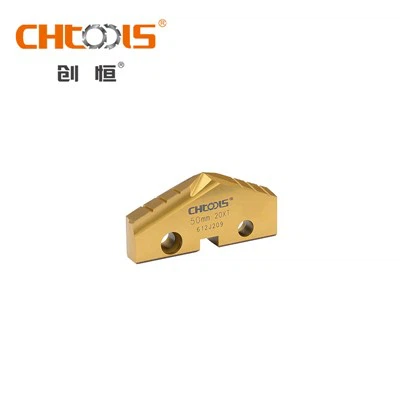
What is the effect of feed rate on the cutting quality of a tct annular cutter?
Hey there, everyone! As a supplier of TCT annular cutters, I've seen firsthand how different factors can impact the performance of these tools. One of the most crucial variables is the feed rate, and today, I'm gonna dive deep into how it affects the cutting quality of a TCT annular cutter.
First off, let's quickly explain what a TCT annular cutter is. TCT stands for "Tungsten Carbide Tipped," which means these cutters have a carbide tip that makes them super durable and ideal for drilling through tough materials like steel, stainless steel, and cast iron. They're commonly used in industries such as construction, manufacturing, and metalworking.
Now, onto the feed rate. The feed rate refers to how fast the cutter is advanced into the workpiece during the drilling process. It's usually measured in inches per revolution (IPR) or millimeters per revolution (mm/r). The feed rate plays a significant role in determining the cutting quality, tool life, and overall efficiency of the drilling operation.
Impact on Cutting Quality
Surface Finish
A proper feed rate is essential for achieving a smooth and clean surface finish on the drilled hole. If the feed rate is too high, the cutter may not have enough time to remove the material properly, leading to a rough and uneven surface. On the other hand, if the feed rate is too low, the cutter may rub against the workpiece, causing excessive heat and wear, which can also result in a poor surface finish.
For example, when using a Carbide Tipped Annular Cutter to drill through stainless steel, a moderate feed rate will ensure that the carbide tips can cut through the material smoothly, leaving a clean and burr-free hole.
Hole Diameter and Tolerance
The feed rate can also affect the accuracy of the hole diameter and the ability to maintain tight tolerances. A too-high feed rate can cause the cutter to deflect or wander, resulting in a hole that is larger than the desired diameter or out of tolerance. Conversely, a very low feed rate may cause the cutter to dwell in the same spot for too long, leading to over-cutting and an inaccurate hole size.


When precision is key, such as in aerospace or automotive manufacturing, choosing the right feed rate for your TCT Mag Drill Bit is crucial. This ensures that the holes are drilled to the exact specifications, reducing the need for additional machining operations.
Chip Formation
Proper chip formation is another important aspect of cutting quality, and the feed rate has a direct impact on it. A correct feed rate allows the chips to be produced in a continuous and manageable manner, which helps to prevent chip clogging and ensures efficient chip evacuation.
If the feed rate is too high, the chips may become long and stringy, making them difficult to break and remove from the cutting area. This can lead to increased heat, tool wear, and even damage to the cutter. On the other hand, if the feed rate is too low, the chips may be short and compacted, which can also cause problems with chip evacuation and increase the risk of tool breakage.
For instance, when using a Carbide Tipped Magnetic Drill Bit to drill through thick steel plates, a feed rate that promotes the formation of small, easily manageable chips is ideal. This helps to keep the cutting area clear and improves the overall cutting efficiency.
Impact on Tool Life
Wear and Tear
The feed rate also has a significant impact on the tool life of a TCT annular cutter. A feed rate that is too high can cause excessive wear on the carbide tips, leading to premature failure of the cutter. This is because the high feed rate puts more stress on the cutting edges, causing them to chip, break, or wear down more quickly.
Conversely, a feed rate that is too low can also be detrimental to the tool life. When the cutter is fed too slowly, it may rub against the workpiece, generating excessive heat. This heat can cause the carbide tips to soften and lose their hardness, making them more susceptible to wear and damage.
By choosing the optimal feed rate, you can extend the tool life of your Carbide Annular Cutter Set and reduce the frequency of tool replacements, which ultimately saves you money in the long run.
Cutting Edge Integrity
Maintaining the integrity of the cutting edges is crucial for the performance and longevity of a TCT annular cutter. The right feed rate helps to ensure that the cutting edges are engaged with the workpiece in a proper and consistent manner, minimizing the risk of chipping or fracturing.
When the feed rate is too high, the cutting edges may experience sudden impacts and overloads, which can cause them to break. On the other hand, a too-low feed rate can lead to the cutting edges rubbing against the workpiece, causing them to wear down unevenly and lose their sharpness.
For example, a Carbide Tipped Annular Cutter with Universal Shank that is used with the correct feed rate will have its cutting edges maintain their sharpness for a longer time, resulting in better cutting performance and longer tool life.
How to Choose the Right Feed Rate
Consider the Material
The type of material you're drilling through is one of the most important factors to consider when choosing the feed rate. Different materials have different hardness, toughness, and machinability, which all affect how the cutter interacts with the workpiece.
For example, drilling through softer materials like aluminum or brass generally requires a higher feed rate compared to harder materials like stainless steel or titanium. This is because softer materials are easier to cut, and a higher feed rate can help to remove the material more quickly without overloading the cutter.
Look at the Cutter Size
The size of the TCT annular cutter also plays a role in determining the appropriate feed rate. Larger cutters typically require a lower feed rate than smaller cutters. This is because larger cutters have a greater cutting force and more material to remove, and a high feed rate can cause excessive stress on the cutter and the workpiece.
For instance, if you're using a smaller TCT Mag Drill Bit with a diameter of 1/2 inch, you can generally use a higher feed rate compared to a larger cutter with a diameter of 2 inches.
Check the Machine Specifications
The capabilities of your drilling machine are another important consideration. Different machines have different power ratings, spindle speeds, and feed mechanisms, which can all affect the maximum and minimum feed rates that can be used.
Make sure to consult the manufacturer's specifications for your drilling machine to determine the recommended feed rate range for your TCT annular cutter. This will help you to avoid overloading the machine or using an inappropriate feed rate that could damage the cutter or the workpiece.
Conclusion
In conclusion, the feed rate has a profound effect on the cutting quality and tool life of a TCT annular cutter. By understanding how the feed rate impacts surface finish, hole diameter, chip formation, and tool wear, you can make informed decisions when choosing the right feed rate for your drilling operations.
As a supplier of high-quality TCT annular cutters, we're here to help you get the most out of your tools. Whether you're a professional in the metalworking industry or a DIY enthusiast, we have the right Carbide Tipped Annular Cutter for your needs.
If you're interested in learning more about our products or have any questions about feed rates and cutting quality, don't hesitate to reach out to us. We're always happy to have a chat and help you find the best solutions for your drilling projects. Let's work together to achieve the best cutting results!
References
- "Machining Handbook," Industrial Press Inc.
- Manufacturer's guidelines for TCT annular cutters.