In the realm of mechanical engineering and manufacturing, precision tools play a pivotal role in ensuring the proper functioning of various components. Among these tools, nut taps and bolt taps are essential for creating threads in nuts and bolts, respectively. As a dedicated nut tap supplier, I have witnessed firsthand the significance of understanding the differences between these two types of taps. In this blog post, I will delve into the nuances of nut taps and bolt taps, shedding light on their unique characteristics, applications, and advantages.
Understanding the Basics: What are Nut Taps and Bolt Taps?
Before we explore the differences between nut taps and bolt taps, let's first define what they are. A nut tap is a cutting tool used to create internal threads in a nut or a similar component. It is designed to cut threads that match the external threads of a bolt, allowing the nut to be securely fastened onto the bolt. On the other hand, a bolt tap is used to create external threads on a bolt or a rod. It is essential for producing bolts that can be used in conjunction with nuts to create strong and reliable connections.
Design and Construction
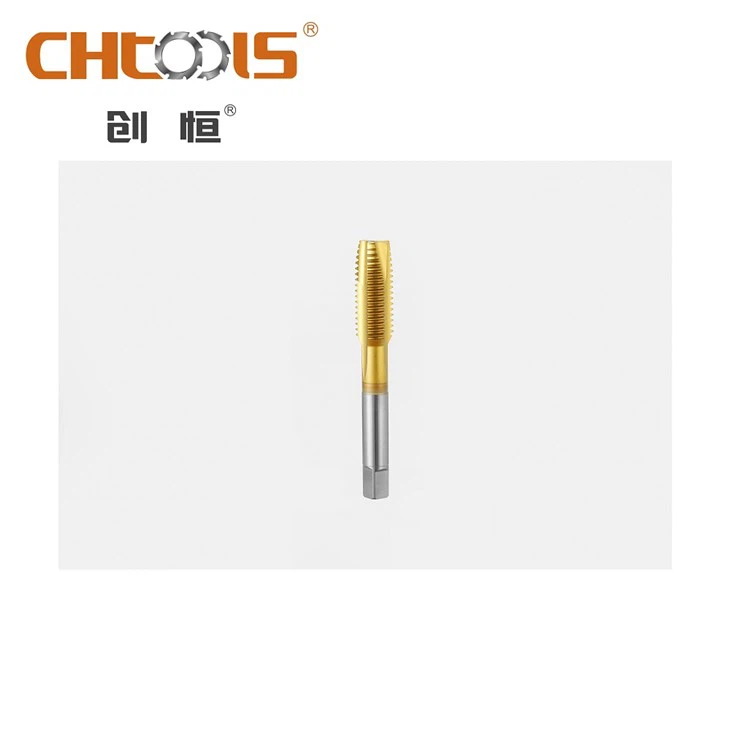
One of the primary differences between nut taps and bolt taps lies in their design and construction. Nut taps are typically designed with a straight shank and a fluted cutting end. The flutes help to remove chips and debris from the cutting area, ensuring a clean and accurate thread. Nut taps also come in various types, including Threaded Shank Type Nut Tap and Round Shank Type Nut Tap. Threaded shank type nut taps have a threaded section on the shank, which allows them to be easily mounted in a tap wrench. Round shank type nut taps, on the other hand, have a smooth round shank and are typically used in a drill press or a tapping machine.

Bolt taps, on the other hand, are designed with a tapered end to facilitate the initial entry into the workpiece. The taper helps to guide the tap into the hole and ensures that the threads are started correctly. Bolt taps also have a series of cutting edges along the length of the tap, which gradually increase in diameter to create the desired thread profile. Unlike nut taps, bolt taps are usually used in a lathe or a threading machine, where they can be rotated at high speeds to cut the threads accurately.
Cutting Action
Another significant difference between nut taps and bolt taps is their cutting action. Nut taps are designed to cut threads in a blind hole or a through hole in a nut. The cutting action of a nut tap is typically a combination of shearing and scraping, as the tap removes material from the inside of the hole to create the threads. Nut taps are usually used in a tapping operation, where the tap is rotated manually or with the help of a tap wrench to cut the threads.
Bolt taps, on the other hand, are used to cut threads on the outside of a bolt or a rod. The cutting action of a bolt tap is primarily a shearing action, as the tap removes material from the surface of the workpiece to create the threads. Bolt taps are typically used in a threading machine or a lathe, where the tap is rotated at high speeds and fed along the length of the workpiece to cut the threads.
Applications
The differences in design and cutting action between nut taps and bolt taps also result in different applications. Nut taps are commonly used in the manufacturing of nuts, bolts, and other threaded components. They are essential for creating internal threads in nuts, which are used to fasten various parts together. Nut taps are also used in repair and maintenance work, where they can be used to repair damaged threads in nuts or to create new threads in a custom-made nut.
Bolt taps, on the other hand, are used in the production of bolts, screws, and other threaded fasteners. They are essential for creating external threads on bolts, which are used to mate with nuts and other threaded components. Bolt taps are also used in the manufacturing of shafts, rods, and other cylindrical components, where they can be used to create threads for mounting bearings, gears, and other components.
Advantages of Nut Taps
As a nut tap supplier, I have seen firsthand the advantages of using nut taps in various applications. One of the main advantages of nut taps is their versatility. Nut taps can be used to create threads in a wide range of materials, including steel, aluminum, brass, and plastic. They are also available in various sizes and thread profiles, allowing them to be used in different applications.
Another advantage of nut taps is their accuracy. Nut taps are designed to cut threads with a high degree of precision, ensuring that the threads are smooth, clean, and free of defects. This accuracy is essential for ensuring the proper functioning of the threaded components and for preventing loosening or stripping of the threads.
Nut taps are also relatively easy to use. They can be operated manually or with the help of a tap wrench, making them suitable for both professional machinists and DIY enthusiasts. Nut taps are also relatively inexpensive, making them a cost-effective solution for creating threads in nuts and other components.
Conclusion
In conclusion, nut taps and bolt taps are essential tools in the world of mechanical engineering and manufacturing. While they both serve the purpose of creating threads, they have distinct differences in design, cutting action, and applications. As a nut tap supplier, I understand the importance of providing high-quality nut taps that meet the specific needs of my customers. Whether you are a professional machinist or a DIY enthusiast, choosing the right tap for your application is crucial for ensuring the success of your project.
If you are in the market for nut taps or have any questions about their usage and applications, I encourage you to reach out to me. I would be more than happy to assist you in selecting the right nut taps for your needs and to provide you with any technical support or advice you may require. Let's work together to ensure the success of your next project!
References
- ASME B94.9-2006, "Tap and Die Sets"
- Machinery's Handbook, 31st Edition
- Tool and Manufacturing Engineers Handbook, Volume 2