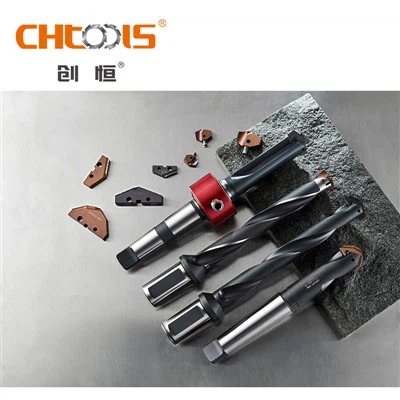
In the realm of metalworking and machining, indexable drills play a crucial role in achieving efficient and precise hole - making operations. As a leading supplier of indexable drills, I am often asked about the cutting force of these remarkable tools. Understanding the cutting force of indexable drills is essential for optimizing the machining process, enhancing tool life, and ensuring high - quality results.
Definition and Significance of Cutting Force
Cutting force can be defined as the force exerted by the cutting tool on the workpiece during the machining process. In the case of indexable drills, this force is generated when the cutting edges of the drill inserts come into contact with the material being drilled. Measuring and analyzing the cutting force is vital because it directly impacts several aspects of the machining operation.
Excessive cutting force can lead to a variety of problems. It may cause the drill to deflect, resulting in inaccurate hole diameters and poor surface finish. High forces can also increase the wear rate of the drill inserts, reducing their lifespan and increasing the overall cost of production. On the other hand, if the cutting force is too low, it may indicate that the drill is not cutting effectively, leading to longer machining times and reduced productivity.
Factors Affecting the Cutting Force of Indexable Drills
1. Workpiece Material
The type of material being drilled is one of the most significant factors influencing the cutting force. Different materials have different mechanical properties, such as hardness, strength, and ductility. For example, drilling a high - strength alloy steel will require a much higher cutting force compared to drilling aluminum. Harder materials tend to resist the cutting action more, resulting in increased forces on the drill.
2. Drill Geometry
The geometry of the indexable drill plays a crucial role in determining the cutting force. The point angle, helix angle, and the shape of the cutting edges all affect how the drill interacts with the workpiece. A drill with a larger point angle will typically require more cutting force because it has a larger contact area with the workpiece. In contrast, a drill with an optimal helix angle can help in better chip evacuation, reducing the cutting force.
3. Cutting Parameters
Cutting parameters, including cutting speed, feed rate, and depth of cut, have a direct impact on the cutting force. Increasing the cutting speed generally reduces the cutting force because it allows for more efficient chip formation. However, if the cutting speed is too high, it can lead to excessive tool wear. The feed rate also affects the cutting force; a higher feed rate will increase the cutting force as more material is being removed per revolution of the drill.
4. Insert Design
The design of the indexable inserts is another important factor. Inserts with advanced coatings, such as titanium nitride (TiN) or titanium aluminum nitride (TiAlN), can reduce friction between the insert and the workpiece, thereby reducing the cutting force. The shape of the insert, such as a Spade Drill Insert, also affects the cutting force. Some inserts are designed to provide a more aggressive cutting action, while others are optimized for finishing operations with lower cutting forces.
Measuring Cutting Force
There are several methods available for measuring the cutting force of indexable drills. One common approach is to use a dynamometer, which is a device that can measure the forces acting on the drill during the machining process. Dynamometers can provide real - time data on the cutting force, allowing operators to adjust the cutting parameters to optimize the process.
Another method is to use analytical models. These models are based on the physical principles of cutting and take into account factors such as workpiece material properties, drill geometry, and cutting parameters. While analytical models can provide a good estimate of the cutting force, they may not always accurately reflect the real - world conditions due to the complexity of the machining process.
Impact of Cutting Force on Tool Life
The cutting force has a significant impact on the life of the indexable drill inserts. High cutting forces can cause excessive wear on the cutting edges of the inserts. This wear can manifest in the form of flank wear, crater wear, or chipping. Flank wear occurs on the side of the insert that is in contact with the workpiece, while crater wear occurs on the rake face of the insert. Chipping can occur when the cutting force causes small pieces of the insert to break off.
By controlling the cutting force, we can extend the tool life of the indexable drill inserts. This can be achieved by optimizing the cutting parameters, using the appropriate drill geometry, and selecting the right insert design. For example, using inserts with a wear - resistant coating can help reduce the impact of high cutting forces on tool life.
Optimizing Cutting Force for Indexable Drills
As a supplier of indexable drills, we are committed to helping our customers optimize the cutting force in their machining operations. We offer a wide range of Insert Drill and Carbide Insert Drill Bit products with different geometries and insert designs to suit various workpiece materials and machining requirements.
To optimize the cutting force, we recommend the following steps:
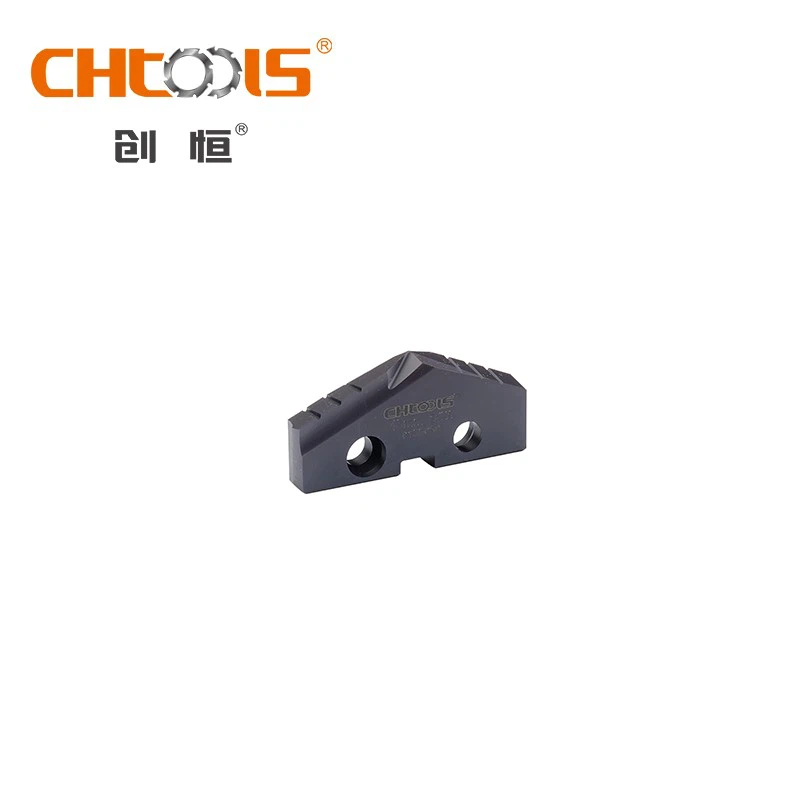

- Material Analysis: Understand the mechanical properties of the workpiece material. This will help in selecting the appropriate drill and insert for the job.
- Parameter Selection: Choose the right cutting speed, feed rate, and depth of cut based on the workpiece material and drill geometry. We can provide guidelines and recommendations based on our extensive experience in the industry.
- Tool Inspection: Regularly inspect the indexable drill inserts for signs of wear. Replace worn inserts promptly to maintain consistent cutting performance and reduce the cutting force.
- Chip Management: Ensure proper chip evacuation by using drills with the right helix angle and flute design. This will prevent chips from clogging the drill and reduce the cutting force.
Conclusion
In conclusion, the cutting force of indexable drills is a complex but crucial aspect of the machining process. By understanding the factors that affect the cutting force, measuring it accurately, and taking steps to optimize it, we can improve the efficiency, precision, and cost - effectiveness of hole - making operations.
As a leading supplier of indexable drills, we are dedicated to providing our customers with high - quality products and expert advice on optimizing the cutting force. If you are looking for reliable indexable drills and inserts for your machining needs, we invite you to contact us for a detailed discussion on your requirements. We are confident that our products and services can help you achieve better results in your machining operations.
References
- Boothroyd, G., & Knight, W. A. (2006). Fundamentals of machining and machine tools. CRC Press.
- Kalpakjian, S., & Schmid, S. R. (2008). Manufacturing engineering and technology. Pearson Prentice Hall.
- Trent, E. M., & Wright, P. K. (2000). Metal cutting. Butterworth - Heinemann.