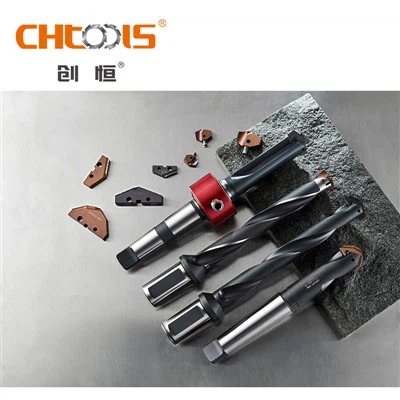
As a trusted supplier of HSS rail cutters, I often encounter inquiries from customers regarding the cutting angle adjustment range of our products. This parameter is crucial as it directly affects the cutting efficiency, precision, and the overall performance of the rail cutter. In this blog, I'll delve into the details of the cutting angle adjustment range of our HSS rail cutters, explaining its significance and how it can benefit your operations.
Understanding the Cutting Angle in HSS Rail Cutters
Before we discuss the adjustment range, it's essential to understand what the cutting angle means in the context of an HSS rail cutter. The cutting angle refers to the angle at which the cutting edge of the tool meets the rail surface during the cutting process. This angle plays a vital role in determining how effectively the cutter can penetrate the rail material, remove chips, and maintain a smooth cutting operation.
A well - chosen cutting angle can reduce cutting forces, minimize tool wear, and improve the quality of the cut. On the other hand, an inappropriate cutting angle can lead to increased power consumption, premature tool failure, and poor cutting results.
The Cutting Angle Adjustment Range of Our HSS Rail Cutters
Our HSS rail cutters are designed with a wide and flexible cutting angle adjustment range to meet the diverse needs of different rail cutting applications. The typical cutting angle adjustment range of our products is from 15° to 60°. This range provides users with the flexibility to adapt to various rail materials, cutting thicknesses, and specific job requirements.
Low - Angle Cutting (15° - 30°)
When the cutting angle is set within the range of 15° to 30°, the cutter has a more aggressive cutting action. This low - angle setting is particularly suitable for cutting softer rail materials or when a high - speed cutting process is required. The sharp cutting edge at this angle can quickly penetrate the rail, reducing the cutting time and increasing productivity. For example, when dealing with light - duty rails made of mild steel, a low cutting angle can help achieve a fast and clean cut. You can find more information about our tools suitable for such applications on our Drill Bit for Rail page.
Medium - Angle Cutting (30° - 45°)
The medium - angle range of 30° to 45° is the most commonly used setting for general rail cutting tasks. This angle provides a good balance between cutting efficiency and tool life. It can handle a wide variety of rail materials, including medium - hardness steels. At this angle, the cutter can effectively remove chips while maintaining a stable cutting process. Whether you are working on standard railway tracks or industrial rails, a medium - angle setting can ensure reliable performance. Our Drill Bit for Railway is engineered to perform optimally within this angle range.
High - Angle Cutting (45° - 60°)
A high - angle cutting setting, from 45° to 60°, is recommended for cutting harder rail materials or when a high - precision cut is required. The larger cutting angle provides more support to the cutting edge, reducing the risk of chipping and wear. This setting is ideal for applications where the rail has a high carbon content or is heat - treated. When you need to make precise cuts on heavy - duty rails, our Best Rail Drill Bit can be adjusted to a high cutting angle for excellent results.
Factors Affecting the Choice of Cutting Angle
Several factors should be considered when choosing the appropriate cutting angle for your HSS rail cutter:
Rail Material
Different rail materials have different hardness and ductility properties. Softer materials like mild steel can be cut more effectively with a lower cutting angle, while harder materials such as high - strength alloy steels require a higher cutting angle to ensure tool durability and cutting quality.


Cutting Thickness
Thicker rails generally require a larger cutting angle to provide sufficient support to the cutting edge and prevent the cutter from getting stuck. Thinner rails, on the other hand, can be cut with a lower angle for faster cutting.
Cutting Speed and Feed Rate
The cutting speed and feed rate also influence the choice of cutting angle. Higher cutting speeds may require a more stable cutting angle to avoid excessive tool wear, while slower feed rates can allow for a more aggressive cutting angle.
Benefits of a Wide Cutting Angle Adjustment Range
The wide cutting angle adjustment range of our HSS rail cutters offers several significant benefits to our customers:
Versatility
With a range from 15° to 60°, our rail cutters can be used in a wide variety of rail cutting applications, from light - duty to heavy - duty tasks. This versatility means that customers can use a single tool for different jobs, reducing the need for multiple specialized cutters.
Cost - Effectiveness
By being able to adjust the cutting angle according to the specific requirements of each job, users can optimize the performance of the cutter and extend its service life. This leads to cost savings in terms of tool replacement and maintenance.
Improved Cutting Quality
The ability to select the most appropriate cutting angle ensures a high - quality cut, with smooth edges and minimal burrs. This is especially important in applications where the cut rail needs to be further processed or joined with other components.
Conclusion
In conclusion, the cutting angle adjustment range of our HSS rail cutters, which spans from 15° to 60°, is a key feature that provides users with the flexibility, versatility, and performance needed for various rail cutting applications. Whether you are working on a small - scale project or a large - scale railway construction, our rail cutters can be adjusted to meet your specific needs.
If you are interested in our HSS rail cutters and would like to discuss your specific requirements or place an order, we encourage you to contact us. Our team of experts is ready to provide you with detailed product information, technical support, and competitive pricing. Let us help you find the best solution for your rail cutting needs.
References
- Smith, J. (2018). Handbook of Metal Cutting Tools. Industrial Press.
- Brown, A. (2019). Rail Manufacturing and Maintenance: Best Practices. Wiley.