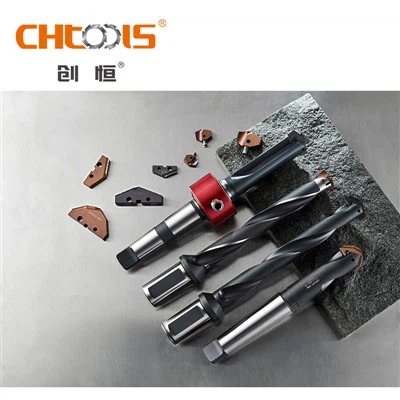
Hey there, folks! As a supplier of HSS annular cutters, I've been in the game for quite a while, and I know how crucial cutting accuracy is in the metalworking industry. In this blog, I'm gonna share some methods to improve the cutting accuracy of HSS annular cutters.
First off, let's understand what HSS annular cutters are. These bad boys are specially designed for drilling holes in metal. They're made of high - speed steel (HSS), which gives them the durability to handle tough materials. You can find different types on our website, like the Annular Cutter Drill, HSS Annular Cutter with Universal Shank, and Hollow Core Cutters for Magnetic Base Drill.
1. Choose the Right Cutter
Picking the appropriate HSS annular cutter is the first step towards improving cutting accuracy. You gotta consider the material you're cutting. Different metals have varying hardness and properties, so you need a cutter that can handle them. For example, if you're cutting stainless steel, you'll want a cutter with a high - cobalt content in the HSS. This type of cutter can withstand the high heat generated when cutting stainless steel and maintain its cutting edge.
The diameter of the cutter also matters. Using a cutter that's too large or too small for the job can lead to inaccurate cuts. A cutter that's too large might cause excessive vibration, while a too - small one may not be able to cut through the material effectively.
2. Proper Machine Setup
The machine you use to operate the HSS annular cutter plays a huge role in cutting accuracy. Make sure the machine is properly calibrated. Check the spindle runout. A high spindle runout can cause the cutter to wobble during cutting, resulting in uneven holes and poor accuracy. You can use a dial indicator to measure the spindle runout and adjust the machine if necessary.
The speed and feed rate settings are also critical. Running the cutter too fast can cause overheating and premature wear of the cutting edge. On the other hand, running it too slow may lead to inefficient cutting and rough hole surfaces. Refer to the manufacturer's recommendations for the appropriate speed and feed rates based on the cutter diameter and the material being cut.
3. Securing the Workpiece
A stable workpiece is essential for accurate cutting. If the workpiece moves during the cutting process, it can throw off the entire operation. Use clamps or vises to firmly secure the workpiece to the machine table. Make sure the clamping force is evenly distributed to prevent distortion of the workpiece.
It's also a good idea to use a sacrificial backing plate. This plate is placed behind the workpiece to support it and prevent the cutter from breaking through and damaging the machine table. The backing plate should be made of a material that's soft enough not to damage the cutter but hard enough to provide support.
4. Lubrication and Cooling
Lubrication and cooling are often overlooked but are very important for improving cutting accuracy. When you cut metal with an HSS annular cutter, a lot of heat is generated. This heat can cause the cutter to expand and lose its dimensional accuracy. Using a suitable cutting fluid can help reduce heat and friction.
The cutting fluid also helps to flush away the chips produced during cutting. If the chips aren't removed properly, they can get jammed between the cutter and the workpiece, leading to uneven cuts and damage to the cutter. There are different types of cutting fluids available, such as water - based and oil - based. Choose the one that's compatible with the material you're cutting.
5. Operator Skill and Training
No matter how good the cutter and the machine are, if the operator doesn't know what they're doing, the cutting accuracy will suffer. Operators should be trained on proper cutting techniques, including how to start and stop the cutter, how to control the feed rate, and how to monitor the cutting process.
They should also be able to recognize the signs of a problem, such as excessive vibration or unusual noises. Early detection of these issues can prevent further damage to the cutter and the workpiece and ensure that the cuts are accurate.
6. Regular Maintenance of the Cutter
Just like any other tool, HSS annular cutters need regular maintenance. After each use, clean the cutter thoroughly to remove any chips and cutting fluid. Inspect the cutting edge for any signs of wear or damage. If the cutting edge is dull, you can re - sharpen it using a suitable sharpening tool.
However, be careful when sharpening the cutter. Incorrect sharpening can change the geometry of the cutter and affect its cutting accuracy. If you're not confident in your sharpening skills, it's better to send the cutter to a professional sharpening service.
7. Use of Precision Measuring Tools
To ensure the cutting accuracy, it's important to use precision measuring tools. You can use a caliper to measure the diameter of the holes after cutting. This will help you determine if the holes are within the required tolerance. If the holes are too large or too small, you can adjust the cutting process accordingly.
A micrometer can also be used to measure the thickness of the walls of the cut holes. This is especially important in applications where the wall thickness needs to be precise.


Conclusion
Improving the cutting accuracy of HSS annular cutters is a combination of choosing the right cutter, proper machine setup, securing the workpiece, using the right lubrication and cooling, having skilled operators, regular cutter maintenance, and using precision measuring tools. By following these methods, you can ensure that you get accurate cuts every time.
If you're in the market for high - quality HSS annular cutters or have any questions about improving cutting accuracy, don't hesitate to reach out to us. We're here to help you with all your cutting needs and look forward to discussing potential procurement opportunities with you.
References
- "Metal Cutting Handbook"
- Manufacturer's guidelines for HSS annular cutters