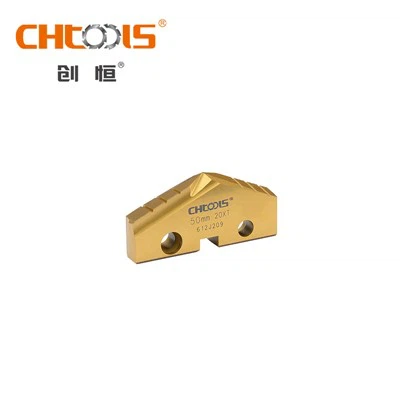
In the dynamic landscape of manufacturing and machining, indexable drills have emerged as indispensable tools, offering efficiency, precision, and cost - effectiveness. As a leading indexable drill supplier, I am constantly intrigued by the new technologies shaping the design of these remarkable tools. This blog post aims to explore the latest advancements in indexable drill design, highlighting how they enhance performance and meet the evolving needs of modern industries.
1. Advanced Carbide Grades
One of the most significant technological breakthroughs in indexable drill design is the development of advanced carbide grades. Carbide has long been the material of choice for cutting tools due to its hardness, wear resistance, and heat resistance. However, recent advancements have taken these properties to new heights.
New carbide grades are engineered with precise control over grain size, binder content, and composition. Ultra - fine grain carbides, for example, offer superior edge sharpness and wear resistance, making them ideal for high - precision drilling operations. These grades can maintain their cutting edge for longer periods, reducing the frequency of insert changes and increasing productivity.
Moreover, some carbide grades are specifically designed to withstand high - temperature environments. They incorporate additives that enhance thermal stability, preventing the carbide from softening or degrading during high - speed drilling. This allows for higher cutting speeds and feeds, resulting in faster material removal rates and shorter cycle times.
2. Innovative Insert Geometries
The geometry of indexable inserts plays a crucial role in determining the performance of an indexable drill. Recent years have witnessed a surge in innovative insert geometries that optimize chip formation, reduce cutting forces, and improve hole quality.
One such innovation is the use of multi - facet inserts. These inserts feature multiple cutting edges and geometries on a single insert, allowing for different cutting operations to be performed without changing the insert. For example, a multi - facet insert may have a chamfering edge, a roughing edge, and a finishing edge. This not only simplifies the machining process but also reduces the number of tools required, saving both time and cost.
Another notable development is the design of inserts with specialized chipbreakers. Chipbreakers are features on the insert's rake face that control the shape and size of chips. New chipbreaker designs are more efficient at breaking chips into small, manageable pieces, preventing chip clogging and improving chip evacuation. This is particularly important in deep - hole drilling applications, where poor chip evacuation can lead to tool breakage and poor hole quality.
3. Coating Technologies
Coatings have become an integral part of indexable drill design, providing an extra layer of protection and performance enhancement. The latest coating technologies offer improved hardness, lubricity, and thermal barrier properties.
TiAlN (Titanium Aluminum Nitride) coatings are widely used in indexable drills due to their high hardness and oxidation resistance. These coatings can withstand high - temperature cutting conditions, reducing tool wear and extending tool life. New generations of TiAlN coatings have been optimized for better adhesion and lower friction coefficients, further improving cutting performance.
Diamond - like carbon (DLC) coatings are another emerging technology in indexable drill design. DLC coatings offer extremely low friction, which reduces cutting forces and improves chip flow. They are also highly wear - resistant, making them suitable for drilling difficult - to - machine materials such as aluminum alloys and composites.
4. Enhanced Drill Body Designs
The drill body is the backbone of an indexable drill, and recent advancements in its design have focused on improving rigidity, balance, and coolant delivery.
Modern drill bodies are often made from high - strength steel alloys or advanced composites. These materials provide greater rigidity, reducing deflection during drilling and improving hole straightness. Additionally, the use of advanced manufacturing techniques, such as precision machining and heat treatment, ensures that the drill body has excellent dimensional accuracy and balance.
Coolant delivery is a critical factor in indexable drill performance, especially in high - speed and deep - hole drilling applications. New drill body designs incorporate internal coolant channels that deliver coolant directly to the cutting edge. This helps to reduce cutting temperatures, flush away chips, and improve tool life. Some drill bodies also feature adjustable coolant nozzles, allowing for precise control of coolant flow and direction.
5. Smart and Connected Indexable Drills
The era of Industry 4.0 has brought about the concept of smart and connected tools, and indexable drills are no exception. New technologies are enabling indexable drills to be equipped with sensors and connectivity features.
Sensors can be integrated into the drill body or insert to monitor various parameters such as cutting forces, temperature, and vibration. This real - time data can be used to optimize cutting parameters, detect tool wear or damage early, and prevent costly downtime. For example, if the sensor detects an abnormal increase in cutting forces, it can send an alert to the operator, who can then adjust the cutting parameters or replace the insert before a serious problem occurs.

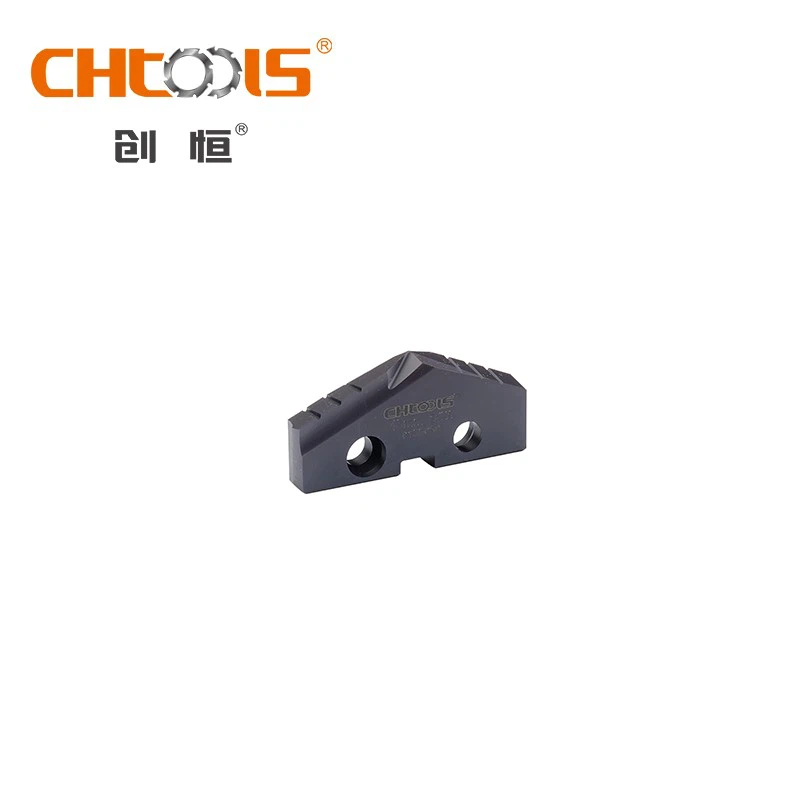
Connectivity features allow the indexable drill to communicate with other machines and systems in the manufacturing environment. This enables seamless integration into automated production lines and facilitates data sharing and analysis. For instance, the drill can send its performance data to a central database, where it can be analyzed to identify trends and opportunities for improvement.
Applications and Benefits
The new technologies in indexable drill design have a wide range of applications across various industries. In the automotive industry, for example, indexable drills are used for drilling engine blocks, transmission components, and brake parts. The high - precision and high - speed capabilities of modern indexable drills ensure that these critical components are manufactured with the required accuracy and efficiency.
In the aerospace industry, indexable drills are used for drilling holes in aircraft structures, such as wings and fuselages. The ability to drill high - quality holes in difficult - to - machine materials like titanium alloys and composites is essential for ensuring the safety and performance of aircraft.
The benefits of these new technologies are numerous. They result in higher productivity, as faster cutting speeds and feeds reduce cycle times. Improved hole quality means fewer rejects and rework, saving both time and cost. Longer tool life reduces the frequency of tool changes, minimizing downtime and increasing overall equipment effectiveness.
Conclusion
As a supplier of indexable drills, I am excited about the new technologies that are revolutionizing the design of these tools. The advancements in carbide grades, insert geometries, coatings, drill body designs, and smart features are making indexable drills more efficient, precise, and reliable than ever before.
If you are in the market for high - performance indexable drills, I encourage you to explore our product range. We offer a variety of Insert Drill, Carbide Insert Drill Bit, and Spade Drill Holder that incorporate the latest technologies. Our team of experts is ready to assist you in selecting the right drill for your specific application and provide you with comprehensive support and advice. Contact us today to start a procurement discussion and discover how our indexable drills can enhance your manufacturing processes.
References
- "Cutting Tool Engineering Handbook", Society of Manufacturing Engineers
- "Advanced Machining Technologies", John Wiley & Sons
- Industry reports from leading manufacturing research firms