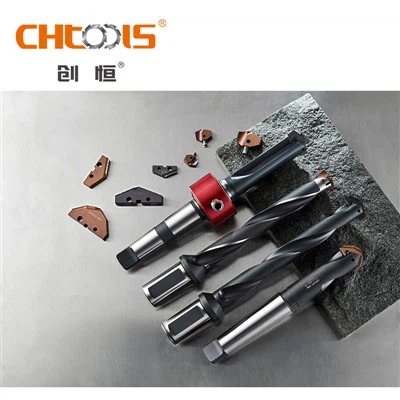
As a supplier of Spade Drill Inserts, I've had my fair share of experiences in the machining world. These inserts are pretty nifty tools, but like anything else, they've got their limitations, especially when it comes to dry drilling. Let's dig into what those limitations are.
Heat Generation
One of the biggest issues with using a Spade Drill Insert for dry drilling is the heat. When you're drilling without coolant, all the heat generated from the cutting process has nowhere to go. The friction between the insert and the workpiece causes temperatures to skyrocket. This is a real problem because high heat can lead to a bunch of other issues.
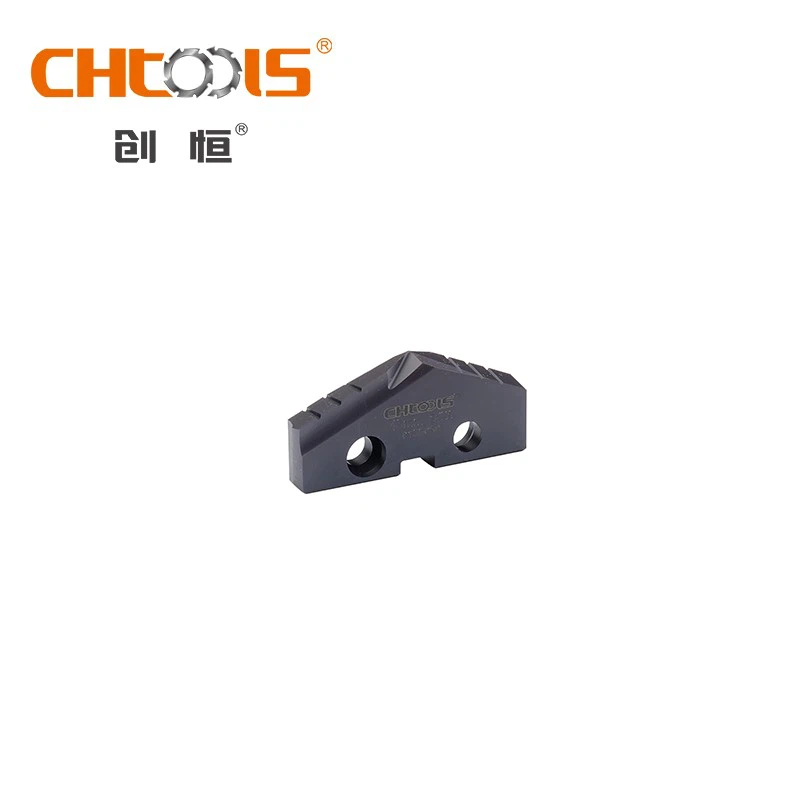

For starters, it can cause the insert to wear out much faster. The heat softens the cutting edge, making it more prone to chipping and abrasion. You might find that you're having to replace your inserts more often than you'd like, and that can get expensive real quick. Plus, the heat can also affect the quality of the hole you're drilling. The material around the hole can get distorted, leading to poor dimensional accuracy.
Chip Evacuation
Another limitation is chip evacuation. In dry drilling with a Spade Drill Insert, getting the chips out of the hole can be a real headache. Without coolant to flush the chips away, they tend to pile up in the hole. This can cause a whole host of problems.
First of all, the chips can get in the way of the cutting edge, reducing the efficiency of the drill. You might notice that the drill starts to bind or that it takes more force to keep drilling. This not only slows down the process but can also put extra stress on the insert, increasing the risk of breakage.
Secondly, the chips can cause damage to the hole surface. As they rub against the walls of the hole, they can create scratches and rough spots. This is a big no - no if you're looking for a smooth, high - quality finish.
Material Compatibility
The type of material you're drilling also plays a big role in the limitations of using a Spade Drill Insert for dry drilling. Some materials are just not well - suited for dry drilling.
Hard materials, like stainless steel or titanium, generate a lot of heat when drilled. Without coolant to dissipate that heat, the insert can quickly overheat and fail. These materials also tend to produce long, stringy chips that are difficult to evacuate in a dry drilling environment.
On the other hand, soft materials can also be a problem. They can stick to the cutting edge of the insert, causing built - up edge (BUE). This BUE can change the geometry of the cutting edge, leading to poor hole quality and increased insert wear.
Tool Life
Tool life is a major concern when using a Spade Drill Insert for dry drilling. As I mentioned earlier, the heat and chip - related issues can significantly reduce the lifespan of the insert.
In a wet drilling operation, the coolant helps to lubricate the cutting edge, reducing friction and wear. It also helps to keep the insert cool, preventing thermal damage. But in dry drilling, the insert has to endure much harsher conditions.
The constant exposure to high temperatures and the abrasive action of the chips can cause the insert to lose its sharpness quickly. And once the insert is dull, it becomes less effective at cutting, which means you'll have to use more power to keep drilling. This can lead to even more heat generation and a further reduction in tool life.
Surface Finish
Achieving a good surface finish is often a key requirement in machining. But when using a Spade Drill Insert for dry drilling, getting a smooth surface can be a challenge.
The heat and chip issues we've discussed can both have a negative impact on the surface finish. The high temperatures can cause the material to melt or burn, leaving a rough and uneven surface. And the chips rubbing against the hole walls can also create scratches and burrs.
If you're working on a project where a high - quality surface finish is essential, you might find that dry drilling with a Spade Drill Insert just doesn't cut it.
Hole Accuracy
Hole accuracy is another area where dry drilling with a Spade Drill Insert can fall short. The heat - related distortion of the material and the problems with chip evacuation can both affect the dimensional accuracy of the hole.
The high temperatures can cause the material to expand, leading to holes that are larger than the desired size. And the chips piling up in the hole can cause the drill to deviate from its intended path, resulting in holes that are off - center or have a poor roundness.
Solutions and Workarounds
Now, I know it might seem like dry drilling with a Spade Drill Insert is all doom and gloom, but there are some solutions and workarounds.
For heat management, you can use inserts with special coatings. These coatings can help to reduce friction and improve heat resistance. Some inserts are also designed with better geometries that can help to dissipate heat more effectively.
When it comes to chip evacuation, you can try using a peck - drilling technique. This involves periodically retracting the drill from the hole to clear the chips. It's a slower process, but it can be effective in preventing chip buildup.
In terms of material compatibility, you might need to adjust your drilling parameters. For hard materials, you can reduce the feed rate and cutting speed to generate less heat. And for soft materials, you can use inserts with a more aggressive cutting edge to prevent BUE.
Conclusion
So, there you have it - the limitations of using a Spade Drill Insert for dry drilling. While these inserts are great tools, dry drilling presents some unique challenges that can affect their performance.
But don't let that discourage you. If you're aware of these limitations and take the necessary precautions, you can still achieve good results. And if you're in the market for high - quality Spade Drill Inserts, we're here to help. Whether you're dealing with dry drilling or other machining operations, our Insert Drill and Best Indexable Drill options are designed to meet your needs.
If you're interested in learning more or want to discuss your specific requirements, feel free to reach out. We're always happy to have a chat and help you find the best solutions for your machining projects.
References
- "Machining Handbook", Industrial Press Inc.
- "Cutting Tool Engineering", SME Publications.