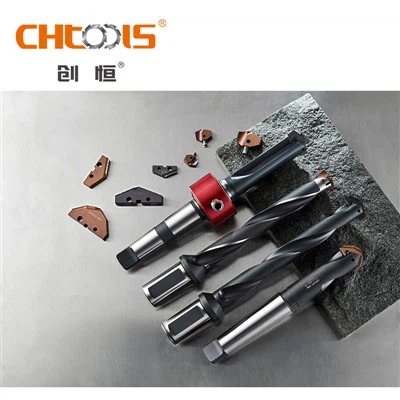
Hey there! As a supplier in the BTA deep drilling industry, I've seen firsthand how crucial drill bit sharpness can be. In this blog, I'll break down the effects of drill bit sharpness on BTA deep drilling and why it matters to you.
1. Understanding BTA Deep Drilling
Before we dive into the drill bit sharpness, let's quickly go over what BTA deep drilling is. BTA, which stands for Boring and Trepanning Association, is a method used for creating deep holes with high precision. It's widely used in industries like automotive, aerospace, and oil & gas. If you want to learn more about it, check out BTA Deep Hole Drilling.
2. The Basics of Drill Bit Sharpness
Drill bit sharpness refers to how well the cutting edges of the drill bit can penetrate and remove material. A sharp drill bit has well - defined cutting edges that can easily slice through the workpiece. On the other hand, a dull drill bit has worn - out edges, which can cause a whole bunch of problems during the BTA deep drilling process.
3. Effects on Hole Quality
Surface Finish
One of the most noticeable effects of drill bit sharpness on BTA deep drilling is the surface finish of the hole. A sharp drill bit can create a smooth and clean hole surface. The well - defined cutting edges cut through the material evenly, leaving minimal roughness on the hole wall. This is super important, especially in applications where the hole will be used for precision parts. For example, in aerospace components, a smooth hole surface can ensure proper fit and function of the parts.
In contrast, a dull drill bit can result in a rough surface finish. As the worn - out edges struggle to cut through the material, they can cause tearing and chipping, leaving behind an uneven surface. This rough surface can lead to increased friction and wear in the parts that fit into the hole, reducing their lifespan.
Hole Diameter Accuracy
Sharp drill bits are more likely to maintain the desired hole diameter during the BTA deep drilling process. The precise cutting edges can cut the material to the exact dimensions specified. This is crucial for parts that require tight tolerances. For instance, in the automotive industry, engine components often need holes with very accurate diameters to ensure proper performance.
When the drill bit is dull, it may not be able to cut the material consistently. It can cause the hole diameter to vary along the length of the hole. This variation can lead to parts not fitting together correctly, which can result in assembly issues and reduced product quality.
4. Effects on Drilling Efficiency
Penetration Rate
A sharp drill bit can penetrate the workpiece at a faster rate. The well - sharpened edges can easily break through the material, allowing the drill to move forward smoothly. This means that you can complete the drilling process in less time, increasing your overall productivity. For example, if you're drilling a large number of holes in a production line, a sharp drill bit can significantly reduce the production time.
A dull drill bit, however, has to work harder to penetrate the material. The worn - out edges encounter more resistance, which slows down the penetration rate. This not only increases the drilling time but also consumes more energy. You'll end up spending more on electricity or other power sources to run the drilling machine.
Tool Life
You might think that a sharp drill bit would wear out quickly, but in fact, it can have a longer tool life compared to a dull one. When a drill bit is sharp, it cuts through the material efficiently, with less force and heat generation. This reduces the wear on the cutting edges. For example, a sharp BTA deep hole drill bit can drill more holes before it needs to be replaced.
On the contrary, a dull drill bit has to apply more force to cut through the material. This increased force leads to more heat generation, which can cause the cutting edges to wear out even faster. The excessive heat can also cause the drill bit to deform, further reducing its tool life. So, regularly maintaining the sharpness of your drill bits can save you money in the long run by reducing the frequency of tool replacement.


5. Effects on Chip Formation
Chip Shape
Sharp drill bits produce well - formed chips during the BTA deep drilling process. The proper cutting action of the sharp edges allows the chips to be cut into small, manageable pieces. These small chips can be easily removed from the hole, preventing them from clogging the drill and causing damage. For example, in BTA deep hole drilling, the chips are usually evacuated through a special channel in the drill. Well - formed chips can flow smoothly through this channel.
Dull drill bits, on the other hand, can produce irregularly shaped chips. The worn - out edges may not cut the material cleanly, resulting in long, stringy chips or large, jagged pieces. These irregular chips can get stuck in the drill or the hole, causing blockages. When a blockage occurs, it can lead to increased pressure in the drill, which can damage the drill bit and the workpiece.
Chip Evacuation
Since sharp drill bits produce well - formed chips, chip evacuation is much easier. The small, manageable chips can be effectively removed from the hole by the coolant or the evacuation system. This ensures that the drilling process can continue smoothly without interruptions.
With dull drill bits, the irregular chips can make chip evacuation a nightmare. The blockages caused by the chips can disrupt the flow of coolant, which is used to cool the drill bit and flush out the chips. Without proper coolant flow, the drill bit can overheat, leading to further wear and potential failure.
6. How to Maintain Drill Bit Sharpness
As a BTA deep drilling supplier, I often get asked how to keep the drill bits sharp. Here are some tips:
- Regular Inspection: Check the drill bits regularly for signs of wear. Look for dull edges, chipping, or any other damage. If you notice any issues, it's time to either sharpen or replace the drill bit.
- Proper Grinding: When it's time to sharpen the drill bit, make sure to use the right grinding equipment and techniques. Improper grinding can damage the drill bit and reduce its performance.
- Correct Usage: Use the drill bits within their recommended parameters. Don't apply too much force or use the drill bit at an incorrect speed, as this can cause premature wear.
7. Why It Matters to You
If you're in an industry that relies on BTA deep drilling, the sharpness of your drill bits can have a huge impact on your bottom line. By using sharp drill bits, you can improve the quality of your products, increase your production efficiency, and reduce your costs. You'll have fewer rejects due to poor hole quality, less downtime for tool replacement, and lower energy consumption.
8. Contact Us for Your BTA Deep Drilling Needs
If you're looking for high - quality BTA Deep Hole Drilling Tool or BTA Deep Hole Cutter that can maintain their sharpness for longer, we're here to help. We offer a wide range of BTA deep drilling products that are designed to meet your specific requirements. Whether you're a small - scale workshop or a large - scale manufacturing plant, we have the right solutions for you. Contact us today to start a discussion about your BTA deep drilling needs and how we can help you improve your drilling process.
References
- Smith, J. (2020). "Advances in Deep Hole Drilling Technology". Journal of Manufacturing Science.
- Brown, A. (2019). "The Impact of Tool Sharpness on Machining Processes". International Journal of Machining Technology.