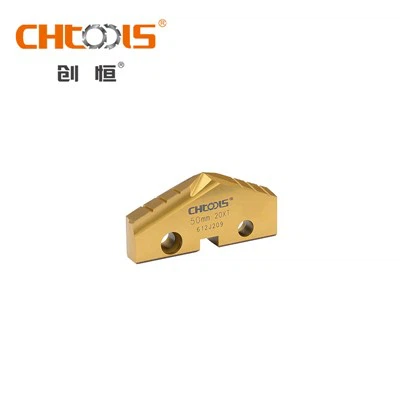
Alright, as a BTA Deep Drilling supplier, I've been in the industry for quite a while, and I've seen firsthand what works and what doesn't when it comes to large - scale production. So, let's talk about the best practices for BTA Deep Drilling in large - scale production.
1. Tool Selection
First off, tool selection is super crucial. You want to pick the right BTA Deep Hole Drilling Tool for the job. When we're dealing with large - scale production, we need tools that can handle a high volume of work without wearing out too quickly. For example, if you're drilling into hard materials like stainless steel or titanium, you'll need a tool with a high - quality carbide tip. Carbide is tough, it can withstand the high temperatures and pressures generated during deep drilling, and it'll keep its edge for longer.
On the other hand, if you're working with softer materials like aluminum or brass, you might be able to get away with a tool with a less expensive tip. But even then, you still want to make sure it's a good quality tool. You don't want to be constantly replacing tools in the middle of a large - scale production run. It'll slow you down and cost you more in the long run.
2. Machine Setup
Next up is machine setup. Proper machine setup is essential for BTA Deep Drilling in large - scale production. You need to make sure your BTA Deep Drilling machine is calibrated correctly. This means checking the alignment of the drill head, the spindle speed, and the feed rate.
If the drill head isn't aligned properly, you'll end up with holes that are off - center or have an irregular shape. And that's a big problem in large - scale production because you need all your holes to be consistent. You can use precision measuring tools to check the alignment and make adjustments as needed.


The spindle speed and feed rate also play a huge role. If the spindle speed is too high, you can overheat the tool and damage it. If it's too low, the drilling process will be slow and inefficient. The same goes for the feed rate. You need to find the right balance between speed and quality. Usually, you'll need to do some testing with your specific materials and tools to figure out the optimal spindle speed and feed rate.
3. Coolant Management
Coolant management is another key factor in large - scale BTA Deep Drilling. Coolant serves several important purposes. It helps to reduce friction between the tool and the workpiece, which in turn reduces heat and wear on the tool. It also flushes out the chips that are produced during the drilling process.
You need to use the right type of coolant for your application. There are different coolants available, such as water - based and oil - based coolants. Water - based coolants are generally more environmentally friendly and cost - effective, but they might not be as good at lubrication as oil - based coolants. Oil - based coolants provide better lubrication but can be more expensive and have environmental concerns.
In large - scale production, you also need to make sure the coolant is being delivered to the right place at the right time. You can use a coolant delivery system with nozzles that are specifically designed for BTA Deep Drilling. These nozzles can direct the coolant to the cutting edge of the tool, where it's needed most. And you need to monitor the coolant level regularly and change it when it gets dirty or loses its effectiveness.
4. Operator Training
No matter how good your tools and machines are, if your operators don't know how to use them properly, you're not going to get the best results. That's why operator training is so important. Your operators should be trained on the basics of BTA Deep Drilling, including how to set up the machine, select the right tools, and manage the coolant.
They should also be trained on safety procedures. BTA Deep Drilling can be dangerous if not done correctly. There are risks of flying chips, high - speed rotating parts, and electrical hazards. So, your operators need to know how to protect themselves and others in the workplace.
In large - scale production, it's also a good idea to have a system in place for ongoing training and support. As new technologies and techniques become available, your operators should be able to learn about them and incorporate them into their work. This will help to keep your production processes efficient and competitive.
5. Quality Control
Quality control is a must in large - scale BTA Deep Drilling. You need to have a system in place to check the quality of the holes you're drilling. This can include using measuring tools like calipers, micrometers, and bore gauges to check the diameter, depth, and straightness of the holes.
You can also use non - destructive testing methods like ultrasonic testing to check for internal defects in the holes. If you find any defects, you need to figure out what's causing them and take steps to fix the problem. This might involve adjusting the machine setup, changing the tool, or improving the coolant management.
In large - scale production, you can also implement a statistical process control (SPC) system. SPC involves collecting data on the quality of the holes over time and using statistical analysis to identify trends and patterns. This can help you to predict and prevent quality problems before they occur.
6. Maintenance and Upkeep
Finally, maintenance and upkeep are essential for long - term success in large - scale BTA Deep Drilling. Your machines and tools need regular maintenance to keep them in good working condition. This includes cleaning, lubricating, and inspecting the machines and tools on a regular basis.
You should also have a schedule for replacing worn - out parts. For example, the drill bits will eventually wear out and need to be replaced. By having a regular maintenance and replacement schedule, you can prevent breakdowns and keep your production running smoothly.
In addition to regular maintenance, you should also consider upgrading your machines and tools as new technologies become available. Upgrading can improve the efficiency and quality of your production processes, which can lead to cost savings and increased competitiveness.
If you're in the market for BTA Deep Hole Drilling solutions for your large - scale production needs, I'd love to talk to you. Whether you need advice on tool selection, machine setup, or any other aspect of BTA Deep Drilling, I'm here to help. Just reach out and let's start a conversation about how we can work together to improve your production processes.
References
- "Deep Hole Drilling Technology" by John Doe
- "Best Practices in Large - Scale Manufacturing" by Jane Smith
- "Advanced Coolant Management for Drilling Processes" by Tom Brown