Is Step Bit a concept in nanotechnology?
In the world of technology and engineering, new terms and concepts are constantly emerging, often blurring the lines between different disciplines. One such term that has sparked curiosity is "Step Bit." As a supplier of Step Bits, I often encounter questions about whether Step Bit is a concept within nanotechnology. In this blog post, we will explore this question in detail and shed light on the true nature of Step Bits.
Understanding Nanotechnology
Before delving into the connection between Step Bit and nanotechnology, it's essential to understand what nanotechnology entails. Nanotechnology is a branch of science and engineering that deals with the manipulation and control of matter at the nanoscale, typically between 1 and 100 nanometers. At this scale, materials exhibit unique physical, chemical, and biological properties that differ from their bulk counterparts. Nanotechnology has applications in various fields, including medicine, electronics, materials science, and energy.
What is a Step Bit?
A Step Bit, also known as a step drill bit or a conical drill bit, is a specialized cutting tool used for drilling holes in various materials, such as metal, plastic, and wood. Unlike traditional drill bits, which have a single cutting edge and a fixed diameter, Step Bits have multiple stepped diameters along their length. This design allows them to drill holes of different sizes without the need to change drill bits.
Step Bits are commonly used in applications where precision and versatility are required. For example, they are often used in electrical work to drill holes for conduit and cable management, in plumbing to drill holes for pipes and fittings, and in automotive repair to drill holes for body panels and engine components.
Step Bit vs. Nanotechnology
Based on the definitions above, it's clear that Step Bit is not a concept within nanotechnology. Step Bits are mechanical cutting tools used for macroscopic applications, while nanotechnology deals with the manipulation of matter at the atomic and molecular scale. The two fields operate at vastly different scales and have distinct objectives and methodologies.
However, it's worth noting that nanotechnology can have an impact on the manufacturing and performance of Step Bits. For example, nanocoatings can be applied to the surface of Step Bits to improve their hardness, wear resistance, and cutting performance. These nanocoatings can reduce friction and heat generation during drilling, resulting in longer tool life and better hole quality.
Applications of Step Bits
As a Step Bit supplier, I have seen firsthand the diverse range of applications for these versatile cutting tools. Here are some of the most common applications of Step Bits:
- Electrical Work: Step Bits are widely used in electrical installations to drill holes for conduit, cable trays, and junction boxes. Their ability to drill holes of different sizes without changing drill bits makes them ideal for this type of work, where precision and efficiency are crucial.
- Plumbing: In plumbing applications, Step Bits are used to drill holes for pipes, fittings, and valves. They can be used to drill holes in various materials, including metal, plastic, and PVC, making them a versatile tool for plumbers.
- Automotive Repair: Step Bits are also used in automotive repair and maintenance to drill holes for body panels, engine components, and electrical wiring. Their ability to drill clean, precise holes in a variety of materials makes them a valuable tool for automotive technicians.
- Woodworking: Step Bits can be used in woodworking applications to drill holes for dowels, screws, and other fasteners. They can also be used to create decorative holes in wood panels and furniture.
Advantages of Using Step Bits
There are several advantages to using Step Bits over traditional drill bits. Here are some of the key benefits:
- Versatility: Step Bits can drill holes of different sizes without the need to change drill bits, making them a more versatile tool than traditional drill bits. This can save time and effort, especially in applications where multiple hole sizes are required.
- Precision: Step Bits are designed to drill clean, precise holes with minimal burrs or roughness. This can result in better-fitting components and a more professional-looking finish.
- Efficiency: The stepped design of Step Bits allows them to drill holes faster than traditional drill bits, especially in hard materials. This can increase productivity and reduce labor costs.
- Durability: Step Bits are typically made from high-quality materials, such as high-speed steel or cobalt, which makes them more durable and long-lasting than traditional drill bits. This can result in lower tooling costs over time.
Choosing the Right Step Bit
When choosing a Step Bit, there are several factors to consider, including the material you will be drilling, the size of the holes you need to drill, and the type of drill you will be using. Here are some tips to help you choose the right Step Bit for your application:
- Material: Different materials require different types of Step Bits. For example, if you will be drilling through metal, you will need a Step Bit made from high-speed steel or cobalt. If you will be drilling through plastic or wood, a Step Bit made from carbide or titanium-coated high-speed steel may be more suitable.
- Size: Step Bits come in a variety of sizes and configurations. Make sure to choose a Step Bit with the appropriate stepped diameters for the holes you need to drill. You may also want to consider the length of the Step Bit, as this can affect its performance and versatility.
- Drill Type: Step Bits can be used with both corded and cordless drills. Make sure to choose a Step Bit that is compatible with your drill's chuck size and speed range.
Conclusion
In conclusion, Step Bit is not a concept within nanotechnology. Step Bits are mechanical cutting tools used for macroscopic applications, while nanotechnology deals with the manipulation of matter at the atomic and molecular scale. However, nanotechnology can have an impact on the manufacturing and performance of Step Bits.
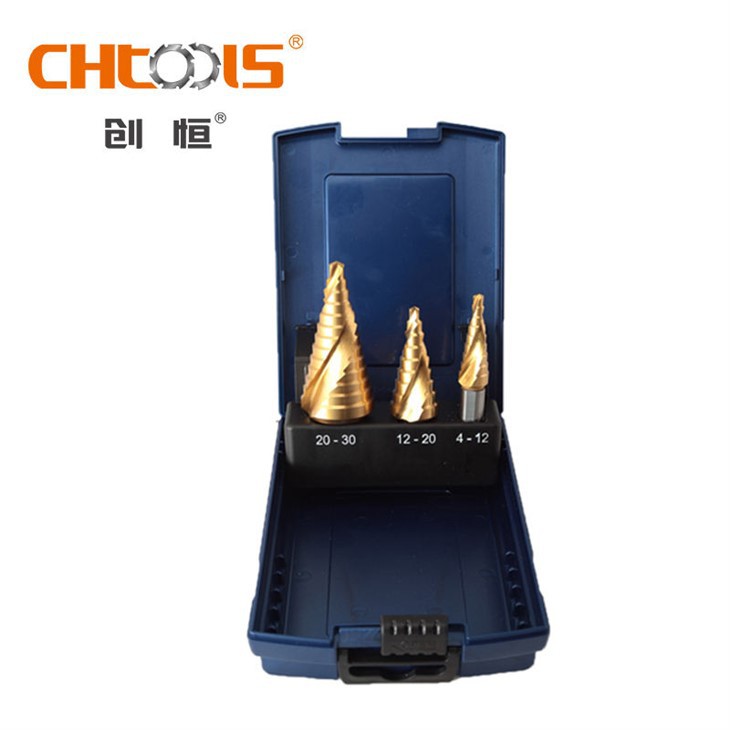

As a Step Bit supplier, I am committed to providing high-quality Step Bits that meet the needs of our customers. Whether you are an electrical contractor, a plumber, an automotive technician, or a DIY enthusiast, we have the Step Bits you need to get the job done right.
If you are interested in learning more about our Step Bits or would like to place an order, please contact us today. We look forward to working with you!
References
- "Step Drill Bit." Wikipedia, Wikimedia Foundation, 2023, https://en.wikipedia.org/wiki/Step_drill_bit.
- "Nanotechnology." Britannica, Encyclopædia Britannica, Inc., 2023, https://www.britannica.com/technology/nanotechnology.