When it comes to precision threading operations, using a nut tap in a horizontal position can be a game - changer. As a nut tap supplier, I've seen firsthand how the right techniques can significantly improve the quality and efficiency of the threading process. In this blog, I'll share some in - depth knowledge on how to use a nut tap in a horizontal position.
Understanding Nut Taps
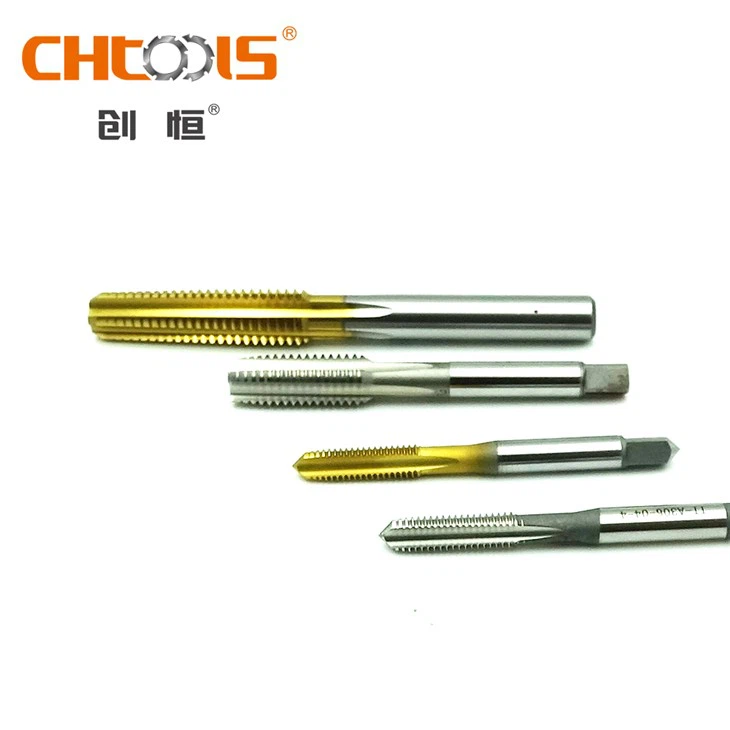
Before we dive into the horizontal use of nut taps, it's essential to understand the different types of nut taps available. There are two main types that are commonly used: the Round Shank Type Nut Tap and the Threaded Shank Type Nut Tap.
The round shank type nut tap is characterized by its smooth, cylindrical shank. It is often used in applications where a simple and straightforward mounting is required. This type of nut tap is easy to hold and manipulate, making it a popular choice for both novice and experienced machinists.
On the other hand, the threaded shank type nut tap has a threaded shank that allows for a more secure connection to a tapping tool or a fixture. This type is ideal for high - torque applications where precision and stability are crucial.
Preparing for Horizontal Tapping
Selecting the Right Nut Tap
The first step in using a nut tap in a horizontal position is to select the appropriate nut tap for the job. Consider the material of the workpiece, the thread size, and the required tolerance. For softer materials like aluminum, a high - speed steel nut tap may be sufficient. However, for harder materials such as stainless steel or titanium, a carbide - tipped nut tap might be necessary.
Securing the Workpiece
Properly securing the workpiece is vital to ensure accurate threading. In a horizontal tapping setup, use a vise or a fixture to hold the workpiece firmly in place. Make sure the workpiece is level and that the tapping hole is perpendicular to the axis of the nut tap. Any misalignment can lead to uneven threads or even breakage of the nut tap.
Lubrication
Lubrication plays a significant role in the tapping process. It reduces friction between the nut tap and the workpiece, which in turn reduces heat generation and tool wear. Choose a lubricant that is suitable for the material of the workpiece. For example, a cutting oil is commonly used for metalworking. Apply the lubricant generously to the tap and the tapping hole before starting the operation.
Setting Up the Tapping Machine
Mounting the Nut Tap
If you are using a tapping machine, mount the nut tap in the chuck or the collet of the machine. Ensure that the nut tap is centered and aligned with the tapping hole. For a horizontal tapping setup, the machine should be adjusted so that the nut tap can move smoothly in a horizontal direction.
Adjusting the Speed and Feed
The speed and feed of the tapping machine are critical parameters. The speed should be selected based on the material of the workpiece and the size of the thread. Generally, slower speeds are recommended for harder materials and larger thread sizes. The feed rate should be set to match the pitch of the thread. A proper speed and feed combination will help to produce clean and accurate threads.
The Tapping Process
Initial Insertion
Start by slowly inserting the nut tap into the tapping hole. Apply gentle pressure to guide the tap into the hole. It's important to keep the nut tap straight during this initial stage to prevent cross - threading. If the tap starts to bind or feel difficult to turn, stop immediately and check for any misalignment or debris in the hole.
Tapping Operation
Once the nut tap is properly inserted, start the tapping machine and let it drive the tap into the workpiece. As the tap advances, it will cut the threads in the hole. Monitor the process closely to ensure that the tap is cutting smoothly. If there are any signs of excessive vibration or resistance, it may indicate a problem such as a dull tap or incorrect speed and feed settings.
Back - Tapping
Periodically, it's necessary to back - tap the nut tap. This involves reversing the direction of the tap to break the chips and clear them from the flutes of the tap. Back - tapping helps to prevent chip jamming, which can cause the tap to break or produce poor - quality threads.
Completing the Thread
Continue the tapping process until the desired depth of the thread is reached. Once the tapping is complete, carefully remove the nut tap from the workpiece. Clean the threads and the workpiece to remove any chips or lubricant residue.
Troubleshooting
Tap Breakage
Tap breakage can occur due to several reasons, such as excessive torque, misalignment, or dull taps. If a tap breaks in the hole, try to remove it carefully using a tap extractor. In some cases, it may be necessary to drill out the broken tap and start the tapping process again.
Poor - Quality Threads
Poor - quality threads can be caused by factors such as incorrect speed and feed, improper lubrication, or a dull tap. Check the settings of the tapping machine and replace the tap if it is worn out. Also, ensure that the workpiece is properly secured and that the tapping hole is clean.
Chip Jamming
Chip jamming is a common problem in tapping operations. To prevent chip jamming, use a tap with proper flute design and back - tap regularly. Additionally, make sure that the lubricant is effectively flushing the chips out of the hole.
Advantages of Horizontal Tapping
Improved Chip Removal
In a horizontal tapping setup, gravity helps to remove the chips from the tapping hole more effectively. This reduces the risk of chip jamming and improves the quality of the threads.

Better Accessibility
Horizontal tapping provides better accessibility to the workpiece, especially for larger or irregularly shaped parts. It allows for easier positioning of the tapping tool and the workpiece, which can lead to more accurate and efficient threading.
Higher Precision
The horizontal position allows for better control over the tapping process. With the ability to adjust the speed, feed, and alignment more precisely, horizontal tapping can produce threads with higher accuracy and tighter tolerances.
Conclusion
Using a nut tap in a horizontal position requires careful planning and attention to detail. By selecting the right nut tap, preparing the workpiece properly, setting up the tapping machine correctly, and following the proper tapping process, you can achieve high - quality threads in a variety of materials.
If you are looking for high - quality nut taps for your horizontal tapping needs, we are here to help. We offer a wide range of nut taps, including the Round Shank Type Nut Tap and the Threaded Shank Type Nut Tap. Contact us to discuss your specific requirements and let's start a productive business relationship.
References
- Machinery's Handbook, 31st Edition. This comprehensive reference book provides detailed information on machining processes, including tapping operations.
- ASME B1.1 - 2003 Unified Inch Screw Threads (UN and UNR Thread Form). This standard specifies the requirements for unified inch screw threads, which is useful for understanding thread sizes and tolerances.
- ISO 68 - 1:1998 ISO general purpose screw threads -- Basic profile. This international standard defines the basic profile of metric screw threads.