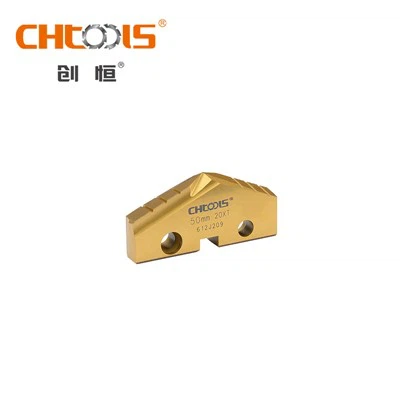
Selecting the right spade drill for different drilling positions is a crucial decision that can significantly impact the efficiency and quality of your drilling operations. As a trusted spade drill supplier, we understand the complexities involved in this process and are here to guide you through the key considerations.
Understanding the Basics of Spade Drills
Spade drills are a type of cutting tool used for drilling holes in various materials, including metal, wood, and plastic. They are characterized by their flat, blade-like cutting edges, which are typically made from high-speed steel (HSS) or carbide. Spade drills are known for their ability to drill large-diameter holes quickly and efficiently, making them a popular choice in many industrial applications.
There are several types of spade drills available on the market, each designed for specific drilling requirements. Some of the most common types include:
- Solid Carbide Spade Drills: These drills are made entirely from carbide, which provides excellent wear resistance and cutting performance. They are ideal for drilling hard materials, such as stainless steel and titanium.
- Indexable Spade Drills: These drills feature replaceable carbide inserts, which can be easily changed when they become worn. This makes them a cost-effective option for high-volume drilling applications.
- HSS Spade Drills: These drills are made from high-speed steel, which is a more affordable alternative to carbide. They are suitable for drilling softer materials, such as aluminum and brass.
Factors to Consider When Selecting a Spade Drill
When selecting a spade drill for different drilling positions, there are several factors that you need to consider. These factors include:


- Material to be Drilled: The type of material you are drilling will have a significant impact on the type of spade drill you need. Harder materials, such as stainless steel and titanium, require a drill with a high wear resistance and cutting performance, such as a solid carbide spade drill. Softer materials, such as aluminum and brass, can be drilled with a less expensive HSS spade drill.
- Hole Diameter and Depth: The diameter and depth of the hole you need to drill will also affect the type of spade drill you need. Larger diameter holes require a drill with a wider cutting edge, while deeper holes may require a drill with a longer flute length.
- Drilling Position: The position in which you are drilling can also impact the type of spade drill you need. For example, drilling in a horizontal position may require a drill with a different geometry than drilling in a vertical position.
- Machine Compatibility: It is important to ensure that the spade drill you select is compatible with your drilling machine. This includes considering the drill's shank size, speed, and feed rate requirements.
Selecting the Right Spade Drill for Different Drilling Positions
Now that you understand the basic factors to consider when selecting a spade drill, let's take a closer look at how to select the right drill for different drilling positions.
Vertical Drilling
Vertical drilling is one of the most common drilling positions. When drilling vertically, it is important to select a spade drill with a stable cutting edge and a good chip evacuation system. This will help to prevent the drill from wandering and ensure that the chips are removed from the hole efficiently.
For vertical drilling in hard materials, such as stainless steel and titanium, a solid carbide spade drill is often the best choice. These drills provide excellent wear resistance and cutting performance, and they can handle high drilling speeds and feeds.
For vertical drilling in softer materials, such as aluminum and brass, an HSS spade drill may be sufficient. These drills are more affordable than carbide drills and can still provide good cutting performance.
Horizontal Drilling
Horizontal drilling presents some unique challenges compared to vertical drilling. When drilling horizontally, the drill is more likely to wander, and the chips may not evacuate as easily. To overcome these challenges, it is important to select a spade drill with a special geometry that is designed for horizontal drilling.
One option for horizontal drilling is to use an indexable spade drill with a replaceable carbide insert. These drills are designed to provide a stable cutting edge and good chip evacuation, even in horizontal drilling applications.
Another option is to use a spade drill with a coolant-through design. This allows coolant to be delivered directly to the cutting edge of the drill, which helps to reduce heat and improve chip evacuation.
Angled Drilling
Angled drilling is another common drilling position that requires a special type of spade drill. When drilling at an angle, the drill is more likely to deflect, and the chips may not evacuate as easily. To overcome these challenges, it is important to select a spade drill with a special geometry that is designed for angled drilling.
One option for angled drilling is to use a spade drill with a helical flute design. This design helps to reduce the drill's tendency to deflect and improves chip evacuation.
Another option is to use a spade drill with a coolant-through design. This allows coolant to be delivered directly to the cutting edge of the drill, which helps to reduce heat and improve chip evacuation.
Conclusion
Selecting the right spade drill for different drilling positions is a critical decision that can significantly impact the efficiency and quality of your drilling operations. By considering the factors discussed in this blog post, you can make an informed decision and choose the spade drill that is best suited for your specific drilling requirements.
As a leading spade drill supplier, we offer a wide range of spade drills to meet the needs of various industries. Our products include Carbide Insert Of Spade Drill, Indexable Drill Bit, and Spade Drill Insert. If you have any questions or need assistance in selecting the right spade drill for your application, please do not hesitate to contact us. We are here to help you achieve the best results in your drilling operations.
References
- "Machining Handbook," Industrial Press Inc.
- "Cutting Tool Engineering," Society of Manufacturing Engineers.