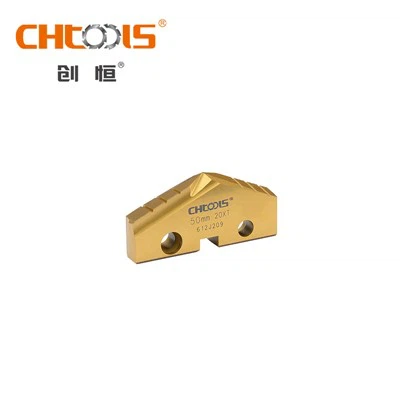
When it comes to tackling various drilling projects, selecting the right step drill is crucial for achieving optimal results. As a step drill supplier, I understand the importance of making an informed choice. In this blog post, I'll guide you through the process of selecting a step drill for a specific project, covering key factors to consider and providing practical tips.
Understanding Step Drills
Before delving into the selection process, it's essential to understand what step drills are and how they work. Step drills, also known as conical drills or step drill bits, are multi - sized drill bits with a series of steps or increments. Each step has a different diameter, allowing you to drill holes of various sizes without changing the drill bit. This feature makes step drills highly versatile and efficient, especially for projects that require multiple hole sizes.
Step drills are commonly used in metalworking, woodworking, and plastic fabrication. They are particularly useful for creating holes in thin materials, as they can gradually increase the hole size without causing the material to crack or deform.
Factors to Consider When Selecting a Step Drill
1. Material of the Workpiece
The material you're drilling into is one of the most important factors in choosing a step drill. Different materials have different hardness and properties, which require specific types of step drills.
- Metal: For metal drilling, you need a step drill that can withstand high heat and pressure. High - Speed Steel (HSS) step drills are a popular choice for metalworking. HSS step drills are made from a special alloy that retains its hardness at high temperatures, allowing for efficient drilling in various metals, including steel, aluminum, and copper. You can find a suitable Step Drill Bit for Metal in our product range.
- Wood: When drilling wood, a step drill with a sharp cutting edge is ideal. A general - purpose step drill can work well for most wood projects. However, if you're working with hardwoods, you may need a more durable step drill to ensure clean and precise holes.
- Plastic: Plastic is a relatively soft material, but it can melt if the drill generates too much heat. A step drill with a low - friction coating or a design that minimizes heat buildup is recommended for plastic drilling.
2. Hole Sizes Required
The range of hole sizes you need for your project will determine the step drill you should choose. Step drills come in different step configurations, with each step representing a specific diameter. Consider the smallest and largest hole sizes you'll need and select a step drill that covers that range.
For example, if your project requires holes ranging from 3mm to 12mm, look for a step drill with steps that include these diameters. Some step drills have more steps and a wider range of sizes, while others are more focused on a specific set of diameters. Our Step Drill Bit collection offers a variety of step configurations to meet different hole - size requirements.


3. Drill Bit Coating
Drill bit coatings can significantly enhance the performance and lifespan of step drills. There are several types of coatings available, each with its own benefits:
- Titanium Nitride (TiN) Coating: TiN - coated step drills are known for their hardness and wear resistance. The coating reduces friction between the drill bit and the workpiece, resulting in smoother drilling and longer tool life. TiN - coated step drills are suitable for high - volume drilling projects and can be used on a variety of materials.
- Black Oxide Coating: Black oxide coating provides corrosion resistance and helps to reduce heat buildup during drilling. It also gives the drill bit a dark, sleek appearance. Black oxide - coated step drills are a cost - effective option for general - purpose drilling.
- Cobalt Coating: Cobalt - coated step drills are designed for drilling hard materials, such as stainless steel. The cobalt alloy in the coating increases the drill bit's hardness and heat resistance, allowing for efficient drilling in tough metals.
4. Shank Type
The shank of a step drill is the part that fits into the drill chuck. There are different shank types available, and the choice depends on the type of drill you're using:
- Round Shank: Round shanks are the most common type of shank for step drills. They are compatible with most standard drill chucks and are suitable for general - purpose drilling.
- Hex Shank: Hex shanks provide a more secure grip in the drill chuck, reducing the risk of the drill bit slipping during operation. Hex - shank step drills are often used in impact drivers and other high - torque drills.
5. Project Scale and Frequency
The scale and frequency of your project also play a role in step drill selection. If you're working on a large - scale project with a high volume of drilling, you'll need a step drill that can withstand heavy use and maintain its performance over time. In this case, investing in a high - quality, durable step drill is recommended.
On the other hand, if you're working on a small - scale, occasional project, a more budget - friendly step drill may be sufficient. Consider the long - term cost and performance when making your decision.
Practical Tips for Using Step Drills
1. Use the Right Drill Speed
Using the correct drill speed is essential for achieving clean and precise holes. The drill speed should be adjusted based on the material you're drilling and the size of the hole. Generally, slower speeds are recommended for harder materials and larger hole sizes, while faster speeds can be used for softer materials and smaller holes. Refer to the manufacturer's guidelines for the recommended drill speeds for your step drill.
2. Apply Proper Pressure
Applying the right amount of pressure during drilling is crucial. Too much pressure can cause the drill bit to overheat and wear out quickly, while too little pressure may result in inefficient drilling and rough holes. Use a steady, even pressure when drilling, and let the drill bit do the work.
3. Lubricate the Drill Bit
Lubricating the drill bit can help to reduce friction and heat buildup, especially when drilling metal. You can use a cutting fluid or a lubricant specifically designed for drilling. Apply the lubricant to the drill bit and the workpiece before drilling to ensure smooth operation.
4. Inspect the Drill Bit Regularly
Regularly inspect the step drill for signs of wear or damage. If the drill bit becomes dull or chipped, it may need to be replaced. Using a worn - out drill bit can result in poor drilling performance and may damage the workpiece.
Conclusion
Selecting the right step drill for a specific project requires careful consideration of several factors, including the material of the workpiece, the required hole sizes, the drill bit coating, the shank type, and the project scale and frequency. By taking these factors into account and following the practical tips provided, you can ensure that you choose a step drill that meets your project requirements and delivers optimal results.
As a step drill supplier, we offer a wide range of high - quality step drills, including HSS Step Drill, to meet the diverse needs of our customers. If you have any questions or need assistance in selecting the right step drill for your project, please don't hesitate to contact us. We're here to help you make the best choice and ensure the success of your drilling projects.
References
- Machinery's Handbook, 31st Edition
- Drill Bit Selection Guide by Industry Standards Organization