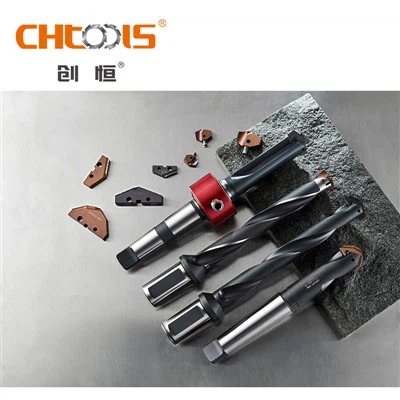
Hey there! As a supplier of HSS rail cutters, I've seen my fair share of blade wear issues. It's a common problem that can really put a damper on your operations. But don't worry, I'm here to share some tips on how to prevent blade wear in an HSS rail cutter.
First off, let's talk about what causes blade wear in the first place. There are a few factors at play here. One of the main culprits is the type of material you're cutting. Rails are typically made of tough, high-strength steel, which can be pretty abrasive on the blades. The harder the material, the more wear and tear the blades will experience.
Another factor is the cutting speed. If you're cutting too fast, the blades can overheat, which can lead to premature wear. On the other hand, if you're cutting too slowly, it can cause the blades to dull more quickly. Finding the right cutting speed is crucial for preventing blade wear.
The quality of the blades themselves also plays a big role. Using low-quality blades is like asking for trouble. They're more likely to chip, break, or wear out quickly. That's why it's important to invest in high-quality HSS blades that are specifically designed for rail cutting. You can check out our Drill Bit for Railway, Best Rail Drill Bit, and Drill Bit for Rail for some top-notch options.
Now, let's get into the tips on how to prevent blade wear.


1. Choose the Right Blade
As I mentioned earlier, the quality of the blade is key. Look for blades that are made from high-speed steel (HSS) with a high cobalt content. Cobalt helps to increase the hardness and heat resistance of the blade, making it more durable and less prone to wear.
You also need to make sure the blade has the right tooth configuration for the type of rail you're cutting. Different rails may require different tooth shapes and pitches. For example, a finer tooth pitch is better for cutting thinner rails, while a coarser pitch is more suitable for thicker rails.
2. Maintain the Right Cutting Speed
Finding the optimal cutting speed is essential. You don't want to go too fast or too slow. A good rule of thumb is to follow the manufacturer's recommendations for the specific blade and rail you're using.
Most HSS rail cutters come with a speed control feature. Use it to adjust the cutting speed based on the thickness and hardness of the rail. If you're not sure what speed to use, start slow and gradually increase it until you find the sweet spot.
3. Use Proper Lubrication
Lubrication is another important factor in preventing blade wear. It helps to reduce friction between the blade and the rail, which in turn reduces heat and wear.
There are different types of lubricants available for rail cutting, such as cutting oils and coolants. Make sure to use a lubricant that is specifically designed for metal cutting. Apply the lubricant evenly to the blade and the cutting area before you start cutting.
4. Keep the Blade Clean
A dirty blade can cause more wear and tear. After each use, clean the blade thoroughly to remove any debris, chips, or metal shavings. You can use a brush or a compressed air gun to clean the blade.
It's also a good idea to inspect the blade regularly for any signs of damage or wear. If you notice any chips, cracks, or excessive wear, replace the blade immediately.
5. Store the Blade Properly
When you're not using the blade, store it in a dry, cool place. Avoid storing the blade in a humid environment, as this can cause rust and corrosion.
You can use a blade case or a storage rack to keep the blade safe and protected. Make sure the blade is stored in a way that prevents it from getting damaged or bent.
6. Train Your Operators
Proper training is crucial for preventing blade wear. Make sure your operators know how to use the HSS rail cutter correctly and how to take care of the blades.
Train them on the importance of using the right blade, maintaining the right cutting speed, using proper lubrication, and keeping the blade clean. Provide them with clear instructions and guidelines on how to operate the machine safely and effectively.
7. Monitor the Blade Wear
Keep an eye on the blade wear over time. You can use a wear gauge or a simple visual inspection to monitor the blade's condition.
If you notice that the blade is wearing out faster than normal, it could be a sign of a problem. It could be due to incorrect cutting speed, improper lubrication, or a low-quality blade. Investigate the issue and take corrective action as soon as possible.
In conclusion, preventing blade wear in an HSS rail cutter requires a combination of the right blade selection, proper operation, and regular maintenance. By following these tips, you can extend the life of your blades, reduce downtime, and save money in the long run.
If you're interested in purchasing high-quality HSS rail cutters or blades, feel free to reach out to us. We're here to help you find the best solutions for your rail cutting needs. Let's start a conversation and see how we can work together to improve your operations.
References
- Manufacturer's manuals for HSS rail cutters
- Industry standards and guidelines for rail cutting
- Technical articles on metal cutting and blade wear prevention