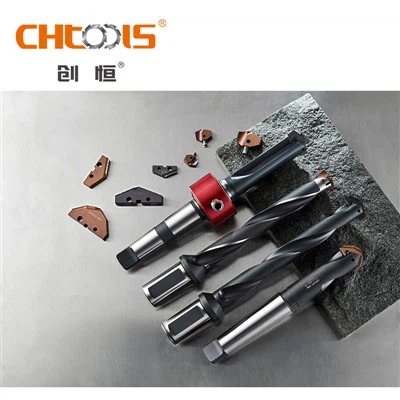
Maintaining a modular drill is crucial for ensuring its optimal performance, longevity, and cost - effectiveness. As a modular drill supplier, I understand the significance of proper maintenance from both the user's and the industry's perspectives. In this blog, I'll share some essential tips on how to maintain a modular drill to keep it in top - notch condition.
1. Regular Cleaning
One of the most fundamental steps in maintaining a modular drill is regular cleaning. After each use, it is essential to remove any chips, debris, or coolant residue from the drill. These contaminants can accumulate over time and cause various problems such as reduced cutting efficiency, premature wear, and even damage to the drill components.
To clean the modular drill, start by using a brush to remove loose chips and debris. You can use a soft - bristled brush for the body of the drill and a wire brush for more stubborn deposits on the cutting edges. For a more thorough clean, you can soak the drill in a suitable cleaning solution. However, make sure to follow the manufacturer's instructions regarding the type of cleaning solution and soaking time. For example, some carbide - tipped modular drills may require a specific cleaning agent to avoid damaging the carbide inserts.
After soaking, rinse the drill thoroughly with clean water and dry it completely. Moisture left on the drill can lead to corrosion, especially if the drill is made of metal. You can use compressed air to blow out any remaining water from the internal channels and crevices of the drill.
2. Inspection of Cutting Inserts
The cutting inserts are the most critical parts of a modular drill as they are directly responsible for the cutting action. Regular inspection of these inserts is necessary to detect any signs of wear, chipping, or damage.
Inspect the cutting edges of the inserts for any visible signs of wear. A worn - out cutting edge can result in poor hole quality, increased cutting forces, and reduced productivity. You can use a magnifying glass or a microscope for a more detailed inspection. If you notice any chipping or breakage on the inserts, they should be replaced immediately. Continuing to use damaged inserts can not only affect the performance of the drill but also cause damage to the workpiece.
The Carbide Insert Of High Speed Modular Drill [/modular - drill/carbide - insert - of - high - speed - modular - drill.html] is a high - quality option that offers excellent cutting performance and durability. When replacing the inserts, make sure to choose the correct type and size according to the specifications of your modular drill.
3. Checking the Drill Body
The drill body also needs to be inspected regularly. Look for any signs of cracks, dents, or deformation on the body. A damaged drill body can compromise the stability and accuracy of the drill during operation.

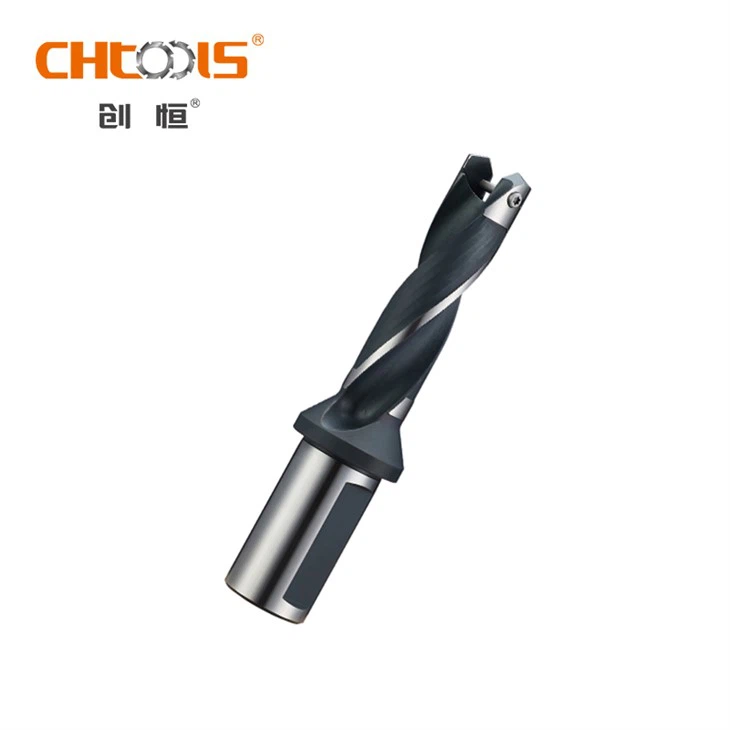
Check the threads on the drill body, especially if it is a modular design that allows for the attachment of different components. Loose or damaged threads can cause the components to come loose during operation, which is extremely dangerous. If you find any issues with the threads, you may need to repair or replace the drill body.
In addition, ensure that the internal coolant channels in the drill body are clear. Blocked coolant channels can lead to overheating of the drill, which can accelerate wear and reduce the lifespan of the drill. You can use a thin wire or a specialized cleaning tool to clear any blockages.
4. Proper Storage
Proper storage of the modular drill is another important aspect of maintenance. When not in use, the drill should be stored in a clean, dry, and protected environment.
Store the drill in a dedicated tool cabinet or a storage box to prevent it from being damaged by other tools or objects. If possible, use a foam insert or a custom - made holder to keep the drill in place and prevent it from moving around. This helps to avoid any accidental damage to the cutting edges or other components.
It is also a good idea to apply a light coat of rust - preventive oil to the drill body before storage. This can help protect the metal from corrosion, especially in humid environments.
5. Lubrication
Lubrication plays a vital role in the smooth operation of a modular drill. Using the right lubricant can reduce friction between the drill and the workpiece, lower cutting forces, and extend the life of the cutting inserts.
There are different types of lubricants available, such as water - soluble coolants, oil - based lubricants, and synthetic lubricants. The choice of lubricant depends on various factors, including the type of workpiece material, the cutting speed, and the drilling operation.
For example, when drilling aluminum, a water - soluble coolant is often a good choice as it provides good cooling and chip flushing properties. On the other hand, for drilling stainless steel or other hard materials, an oil - based lubricant may be more suitable as it offers better lubrication and reduces the risk of built - up edge formation.
Make sure to apply the lubricant correctly and in the right amount. Too little lubricant may not provide sufficient protection, while too much can cause issues such as excessive coolant consumption and environmental pollution.
6. Calibration and Alignment
Regular calibration and alignment of the modular drill are necessary to ensure accurate and consistent drilling results. Over time, the drill may become misaligned due to normal wear and tear or improper handling.
Check the alignment of the drill with the workpiece. A misaligned drill can result in holes that are off - center, have an incorrect diameter, or have poor surface finish. You can use alignment tools such as dial indicators or laser alignment systems to check and adjust the alignment.
Calibrate the drill's speed and feed settings according to the workpiece material and the type of drilling operation. Incorrect speed and feed settings can lead to premature wear of the cutting inserts, poor hole quality, and even drill breakage. Refer to the manufacturer's guidelines for the recommended speed and feed values.
7. Training for Operators
Proper training for operators is essential for the correct use and maintenance of a modular drill. Operators should be trained on how to handle the drill safely, perform regular maintenance tasks, and troubleshoot common problems.
Provide training on the correct installation and removal of cutting inserts, as well as how to adjust the drill settings. Train operators on how to recognize the signs of wear and damage and when to take appropriate action. By ensuring that operators are well - trained, you can minimize the risk of improper use and maintenance, which can lead to costly repairs and downtime.
Conclusion
Maintaining a modular drill is a multi - faceted process that requires attention to detail and regular upkeep. By following the tips outlined in this blog, you can extend the lifespan of your modular drill, improve its performance, and ensure consistent and high - quality drilling results.
If you are interested in purchasing high - quality modular drills or need more information about their maintenance, please feel free to contact us for a procurement discussion. We are committed to providing you with the best products and support to meet your drilling needs.
References
- "Cutting Tool Technology Handbook" by John Doe
- "Drilling Operations and Maintenance Guide" published by the International Tooling Association